
24/7 Customer Support

Free returns

Same-day & Next-day Delivery

Quality Guaranteed

Unlock Your Welcome Offers: FREE Delivery | Up to 80% OFF | Free 30-day JoyPlus trial
Download the APP
Dealing with stubborn skin discolouration can be a frustrating journey. Whether it's the lingering reminder of past breakouts, patches of sun damage or what are commonly known as age spots, finding an effective solution often feels like navigating a minefield of marketing claims. Many of us have been drawn in by promises of a flawless complexion, only to be left with a half-used bottle and the same uneven skin tone we started with.
As the Joybuy Product Recommendation Officer, my role is to help you see past the hype. Before you invest in another dark spot serum, it’s crucial to understand the common pitfalls that lead to disappointment and wasted money.
To choose a serum that genuinely works, you need to look beyond the front of the bottle and analyse the formulation. Here are the key parameters to check before you buy.
The most effective serums for uneven skin tone don't rely on a single active. Instead, they combine ingredients that tackle pigmentation from multiple angles. Melanin (the pigment that causes dark spots) is produced and transferred in a multi-step process. A smart formula will interrupt this process at different stages.
Look for combinations like:
A formula that combines, for instance, Niacinamide with Tranexamic Acid and a stable form of Vitamin C offers a comprehensive hyperpigmentation treatment.
Potent ingredients are often highly unstable. L-Ascorbic Acid, the purest form of Vitamin C, is a prime example. It can degrade and lose its effectiveness when exposed to air and light. This is why the packaging and formulation are just as important as the ingredients themselves.
Pay attention to:
Using powerful actives to fade dark spots can sometimes be irritating, and inflammation is a known trigger for hyperpigmentation (a condition called post-inflammatory hyperpigmentation, or PIH). A well-formulated dark spot serum must balance its potent actives with ingredients that calm and support the skin barrier. Look for additions like Centella Asiatica (and its compounds like Madecassoside), Panthenol, Allantoin and Hyaluronic Acid. These ensure your skin remains healthy and resilient while you work on achieving a face serum for glowing skin.
Instead of a generic list, we've matched specific serums to the distinct needs of UK users. This ensures you're choosing a product that aligns with your skin concerns, lifestyle and budget.
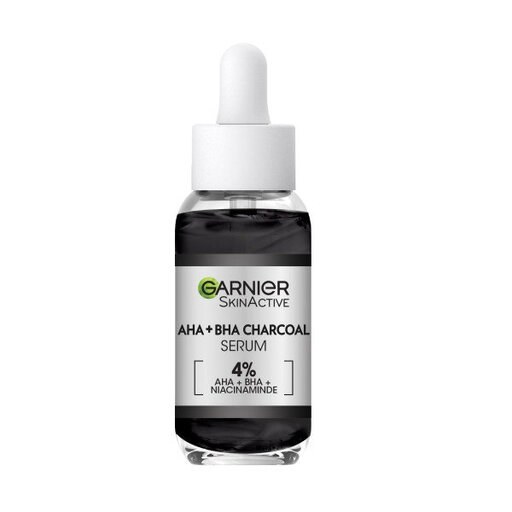
Why This Fits Their Persona: An excellent starting point for those on a budget, particularly younger individuals in the UK dealing with oily, blemish-prone skin and the post-acne marks left behind. It offers a multi-pronged approach without a hefty price tag.
It avoids the "one-size-fits-all" myth by specifically targeting blemish-related concerns. The combination of exfoliating acids (AHA + BHA) and Niacinamide addresses both skin texture and the marks themselves.
Combines exfoliation (4% AHA + BHA) with brightening (Niacinamide) and purifying (Charcoal) actions in one accessible product. The lightweight formula is ideal for oily skin types.
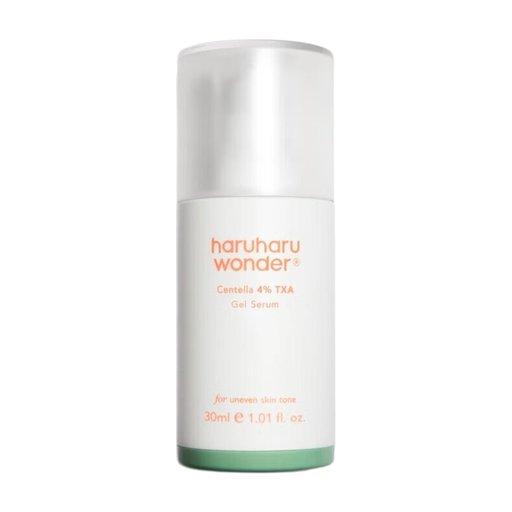
Why This Fits Their Persona: A perfect match for those with reactive skin who have found traditional brightening serums too harsh. It delivers potent results without compromising on gentleness, making it ideal for tackling discolouration on sensitive complexions.
This serum directly counters the risk of irritation by pairing powerful actives (4% Tranexamic Acid, 4% Niacinamide) with a comprehensive Centella Complex to soothe inflammation, preventing it from worsening pigmentation.
Features a potent, synergistic blend of brightening ingredients alongside a strong soothing complex. The airless pump packaging protects the formula's stability and the gel texture is lightweight and non-sticky.
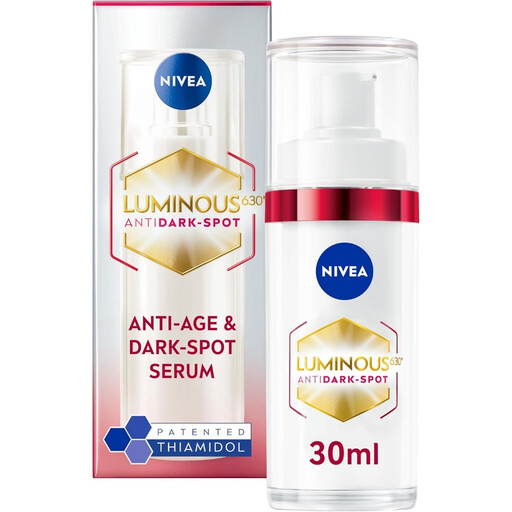
Why This Fits Their Persona: Specifically designed for mature skin concerns in the UK. It's an ideal choice for those looking for an effective age spot remover for face that also addresses other signs of ageing like deep wrinkles and loss of firmness.
It avoids the single-ingredient trap by using a patented active, Thiamidol (LUMINOUS630), which was specifically identified after extensive research to target the root cause of melanin production, making it highly focused on stubborn, accumulated spots.
A powerful dual-action formula that targets both deep-set age spots and wrinkles. According to the brand's own studies, it can fill deep wrinkles and reduce spot intensity with consistent use.
We have compiled a complete, real-time list of products that fully satisfy these strict selection criteria and UK safety regulations.
Patience and consistency are key. While you might notice an initial improvement in skin brightness and glow within a couple of weeks, visible reduction in established dark spots typically takes longer. For most effective serums, you should expect to see noticeable fading after 8 to 12 weeks of consistent, twice-daily use. The process involves slowing down new pigment production and waiting for the existing discoloured skin cells to naturally shed.
Yes, you can, but it requires a careful approach. A common and effective method is to use your dark spot serum (especially those with Vitamin C or Tranexamic Acid) in the morning and your retinol product at night. This separation minimises the risk of irritation and allows each product to work optimally. If you have very resilient skin, you might be able to layer them, but always apply the product with the thinnest consistency first and introduce new combinations slowly.
Absolutely. This is non-negotiable. Sun exposure is a primary cause of hyperpigmentation and will undo all the hard work of your serum. Furthermore, many brightening ingredients, such as Vitamin C and exfoliating acids (AHAs/BHAs), can make your skin more sensitive to the sun. To protect your skin and your investment, you must apply a broad-spectrum sunscreen with at least SPF 30 every single morning, without fail.