
24/7 Customer Support

Free returns

Same-day & Next-day Delivery

Quality Guaranteed

Unlock Your Welcome Offers: FREE Delivery | Up to 80% OFF | Free 30-day JoyPlus trial
Download the APP
For many of us in the UK, the ritual of a hot cup of coffee or tea is a non-negotiable part of the day. But whether you're looking to reduce your caffeine intake, find a soothing evening drink or simply enjoy the flavour without the buzz, the world of decaf coffee can be tricky to navigate. It’s easy to end up with a purchase that disappoints.
As the Joybuy Product Recommendation Officer, my role is to help you see past the marketing jargon. Many shoppers find themselves caught in a few common traps, leading to a cupboard full of decaf that just doesn't hit the mark.
By understanding a few key factors, you can confidently buy decaffeinated coffee or tea that delivers on taste and satisfaction.
Before adding any decaf product to your basket, take a moment to check these three crucial parameters. They are the difference between a flavourful cup and a disappointing one.
The way caffeine is removed has the biggest impact on the final taste. While brands don't always advertise it prominently, looking for clues can help you avoid that unwanted chemical aftertaste.
To avoid the "format mismatch" trap, consider how and when you'll be drinking your decaf.
Just like regular coffee, the flavour of decaf is shaped by its beans and roast level.
Here are a few recommendations, matched to different needs and lifestyles, that align with the quality markers we've discussed.

Why This Fits Their Persona: For someone who needs a reliable and quick coffee before heading out the door, this instant decaf is a staple. There is no need for special equipment or lengthy prep time; just add hot water for a consistently smooth cup.
This blend is crafted to deliver a balanced flavour, directly countering the "flavourless water" pitfall common in some lesser-known instant coffees. It maintains a recognisable coffee character.
Extremely quick to prepare and offers a dependable, smooth taste profile that has been a household favourite in the UK for years.
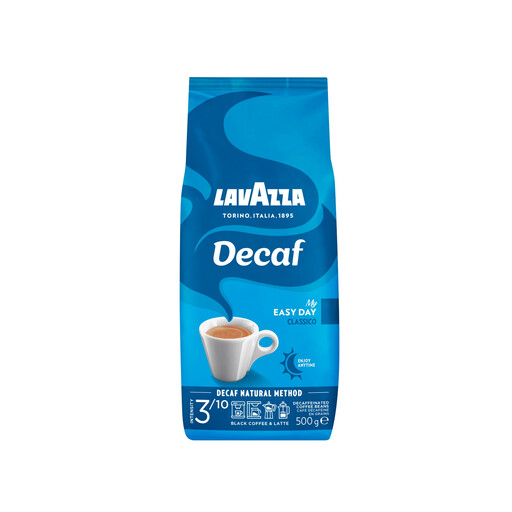
Why This Fits Their Persona: This user values freshness and control above all. They have a grinder and enjoy the ritual of preparing coffee from scratch, whether it's for an espresso or a cafetière. These beans allow them to tailor the grind and brew method precisely to their liking.
Lavazza uses a natural CO2 decaffeination process, which helps preserve the coffee's aromatic profile. This avoids the "chemical aftertaste" pitfall, delivering notes of roasted caramel and chocolate.
Offers maximum freshness and flavour control. The beans provide a rich, aromatic profile that is versatile enough for both black coffee and milk-based drinks like lattes.
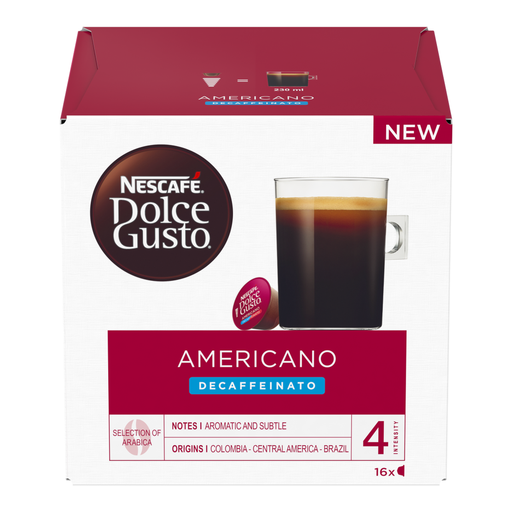
Why This Fits Their Persona: This person owns a Dolce Gusto machine and prioritises convenience, consistency and minimal clean-up. These pods offer a single-serve solution that delivers the same taste every time, without any guesswork.
It directly solves the "format mismatch" trap by being designed for a specific, popular system. The high-pressure extraction also ensures a full-bodied cup, avoiding a watery result.
Perfectly portioned for a consistent Americano-style coffee with a smooth crema. It is mess-free and incredibly simple to use.
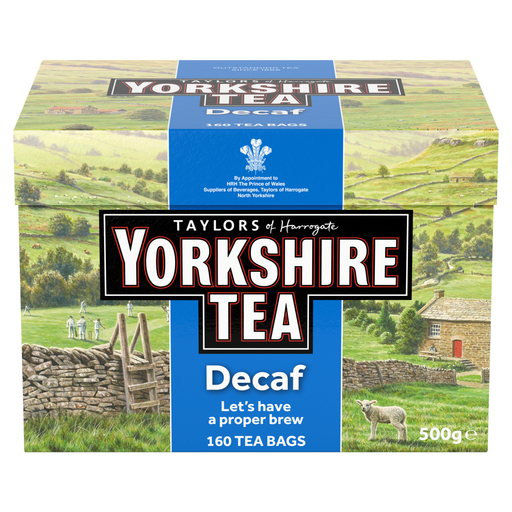
Why This Fits Their Persona: This is for the classic British tea lover who wants a "proper brew" to unwind with in the evening but doesn't want caffeine to interfere with their sleep. They value the familiar, robust taste of a traditional black tea.
Yorkshire Tea is famous for its strong flavour, and their decaffeinated tea is specifically blended to maintain that character, successfully avoiding the "flavourless water" trap that plagues many decaf teas.
Delivers a satisfyingly rich and full-bodied black tea flavour without the caffeine. It is a trusted, high-quality blend from a well-regarded UK family business.
We have compiled a complete, real-time list of products that fully satisfy these strict selection criteria and UK safety regulations.
There are several methods used for the decaf coffee and decaffeinated tea available in the UK. The main ones are solvent-based processes, which use chemicals to remove caffeine, and non-solvent processes like the CO2 method or Swiss Water Process. These latter methods use natural elements and are often preferred for their ability to preserve the original flavour of the coffee or tea.
Historically, decaf had a reputation for lacking flavour. However, modern decaffeination techniques, especially the CO2 and water-based methods, have improved dramatically. A high-quality decaf made from good beans can be almost indistinguishable from its caffeinated counterpart, offering a rich and satisfying taste. The key is to choose a product from a reputable brand that prioritises flavour preservation.
For most people, yes. It is important to know that decaffeination removes the vast majority of caffeine, but not 100% of it. A typical cup of decaf coffee contains only 2-3 milligrams of caffeine, compared to 95 milligrams or more in a regular cup. This small amount is generally not enough to interfere with sleep, making it a popular choice for an evening beverage.