
24/7 Customer Support

Free returns

Same-day & Next-day Delivery

Quality Guaranteed

Unlock Your Welcome Offers: FREE Delivery | Up to 80% OFF | Free 30-day JoyPlus trial
Download the APP
For many of us, the ritual of a warm cup of coffee is a cherished part of the day. But what if you want the comforting flavour without the caffeine kick? Whether you're looking to reduce your caffeine intake, are sensitive to its effects or simply fancy an evening brew that won't disturb your sleep, decaf instant coffee is a practical solution.
However, the supermarket aisle can be confusing. With so many brands making bold claims, it's easy to end up with a decaf coffee jar that disappoints. Before you add anything to your basket, let's look at a few common pitfalls that lead to a less-than-satisfying purchase.
To make sure you're choosing a great-tasting instant decaf coffee uk residents will enjoy, focus on these practical details rather than just the marketing slogans on the label.
The texture and taste of your coffee are heavily influenced by its composition. Understanding the difference is key to matching a product to your expectations.
Kenco decaf and Nescafé decaf are widely known for this format.Your lifestyle and how you plan to drink your coffee should guide your choice of packaging.
decaf coffee jar is the standard for home or office kitchens. Available in sizes from 100g to 200g, it offers the best value per serving and is ideal for regular, daily use.decaf cappuccino sachets or single-serving Americano sticks are perfect. They contain a pre-measured amount of coffee and often milk powder and flavouring, so all you need is hot water. They are excellent for taking to work, travelling or for an occasional frothy treat without any fuss.Instead of a generic list, we've matched some popular options to the people we believe they are best suited for.
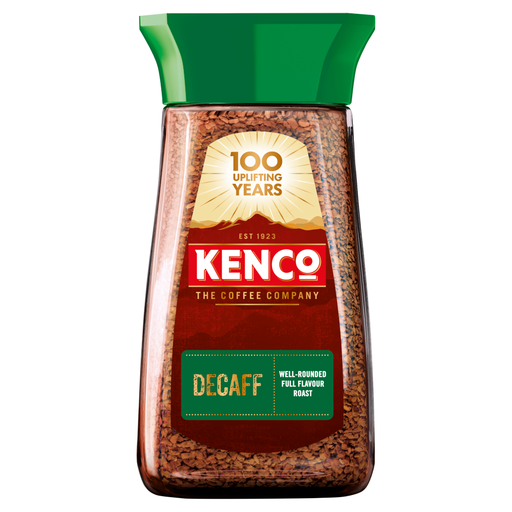
Why This Fits Their Persona: This is for the person who enjoys several cups throughout the day and needs a reliable, no-fuss option in their kitchen cupboard. They prioritise value and consistency over complex flavour profiles.
It avoids the "rich flavour" disappointment by delivering exactly what it promises: a classic, smooth, freeze-dried decaf. There are no over-the-top "barista" claims, just a straightforward and familiar coffee experience.
The large 200g jar offers excellent value for money, making it an economical choice for daily consumption. It's a well-known, dependable product with a balanced taste.
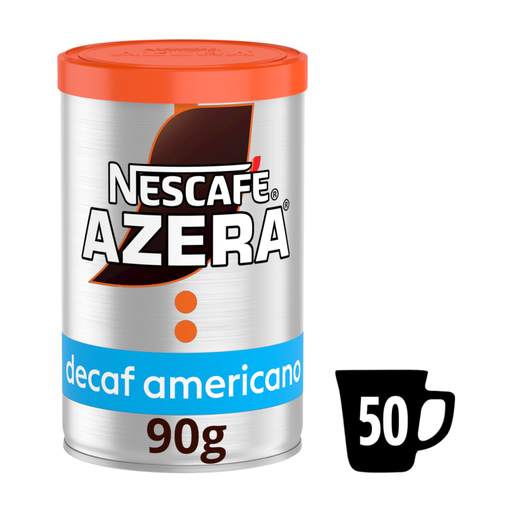
Why This Fits Their Persona: This user wants more from their decaf. They appreciate a richer taste and a better texture and are willing to spend a little more for a cup that feels more like a treat from a coffee shop.
It directly counters the "barista-style illusion" by using the right technique. The inclusion of roast and ground coffee (5%) genuinely creates a fuller-bodied drink and a silky crema, delivering on its premium promise.
The microground blend provides a noticeably richer flavour and aroma compared to standard freeze-dried options. The resulting crema adds a smooth texture that elevates the entire experience.

Why This Fits Their Persona: This is for the busy professional or someone who wants an indulgent, frothy coffee in the evening without any mess or effort. Portability and ease of use are their top priorities.
This product sidesteps the common pitfalls by being an all-in-one solution. It's not just coffee; it's a complete cappuccino mix. It delivers exactly what is expected from a decaf cappuccino sachet: a quick, frothy and satisfying drink.
The single-serving sachets are incredibly convenient for the office, travel or a quick treat at home. The unsweetened formula allows you to customise the sweetness to your personal taste.
We have compiled a complete, real-time list of products that fully satisfy these strict selection criteria and UK safety regulations.
There are several methods, but most fall into two categories. Some use solvents like ethyl acetate (which can also be derived from fruit) to wash the unroasted beans and remove the caffeine. Others use water-based methods, such as the Swiss Water Process, which soaks the beans to draw out the caffeine. All methods used for coffee sold in the UK are strictly regulated to ensure they are safe for consumption.
Historically, decaf had a reputation for lacking flavour. However, modern decaffeination processes are much better at preserving the coffee's original character. While a very discerning palate might notice a slight reduction in body or acidity, many high-quality decafs, especially microground blends, offer a rich and satisfying taste that is very close to their caffeinated counterparts.
It's a common misconception that decaf means zero caffeine. To be labelled as decaffeinated instant coffee in the UK and EU, the coffee must have at least 99.9% of its caffeine removed. This leaves a very small amount, typically around 2-3 milligrams per cup, compared to the 60-100 milligrams in a regular cup of instant coffee. For most people, this amount is negligible and will not cause the stimulating effects associated with caffeine.