
24/7 Customer Support

Free returns

Same-day & Next-day Delivery

Quality Guaranteed

Unlock Your Welcome Offers: FREE Delivery | Up to 80% OFF | Free 30-day JoyPlus trial
Download the APP
Finding a truly satisfying cup of decaf tea can feel like a quest. You want the comforting ritual and rich flavour of a proper brew, but without the caffeine that can disrupt your sleep or disagree with your system. Yet, many of us have been disappointed by weak, tasteless or bitter decaffeinated tea that feels like a poor substitute for the real thing.
As the Joybuy Product Recommendation Officer, my role is to help you navigate the crowded tea aisle. We will look past the marketing claims and focus on what truly makes a good decaf brew, so you can avoid the common pitfalls and find a tea you will genuinely enjoy, whether it is for a quiet evening or a mid-afternoon pause.
Before you buy your next box, be aware of a few common issues that can lead to a disappointing experience:
To ensure you get a flavourful and high-quality brew, focus on these three core parameters.
This is perhaps the most important factor influencing the final taste of your tea. Look for information on the packaging or product description that specifies the method used.
The quality of the tea leaf itself is just as crucial. A great decaffeinated tea starts with great tea.
For many, a good cup of tea is also an ethical one. Certifications can provide assurance about how the tea was grown and sourced.
Here are a few options that align with different priorities, helping you find the right match for your needs.

Why This Fits Their Persona: This is a straightforward, reliable choice for those who want a familiar and comforting cup of tetley decaf without any fuss. It is a household name that delivers a consistent brew, perfect for your daily tea break.
Tetley's blending expertise aims to counteract the "flavourless water" pitfall by creating a blend specifically designed to maintain a robust and full-bodied taste after decaffeination.
Excellent value for an everyday tea. Delivers the classic, strong British brew profile that many people love, making it a dependable cupboard staple.
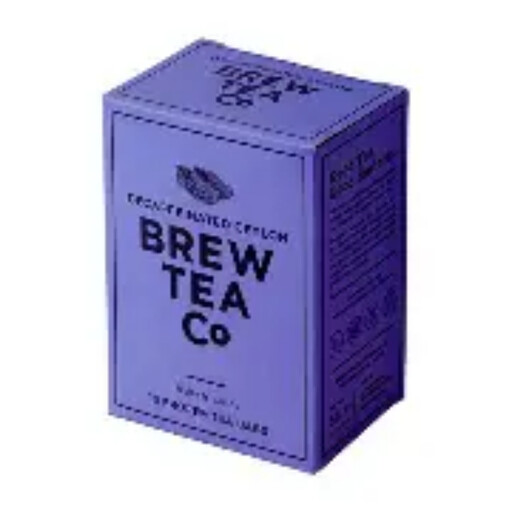
Why This Fits Their Persona: For the tea drinker who refuses to compromise on flavour. This is for someone who wants their decaf to taste just as rich and complex as a high-quality caffeinated tea and is willing to invest in a superior product.
It directly tackles all three pitfalls by using the gentle CO? decaffeination method, packing whole-leaf tea into spacious pyramid bags and being transparent about its process.
Exceptional flavour retention, delivering a smooth, malty and full-bodied taste without bitterness. The biodegradable bags and whole leaves provide a premium brewing experience.

Why This Fits Their Persona: This is the ideal choice for the shopper who wants their purchase to align with their values. It offers the dual assurance of being both an organic decaf tea and Fairtrade certified.
The organic certification provides confidence that no synthetic chemicals were used in cultivation, while the unbleached, plastic-free bags address concerns about extra "nasties" in the bag itself.
Certified Organic and Fairtrade. The tea bags are unbleached and plastic-free, making it a more environmentally conscious choice from leaf to cup.
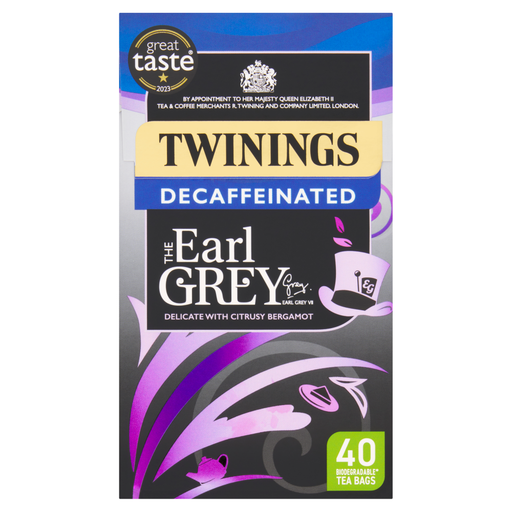
Why This Fits Their Persona: Perfect for those who adore the distinctive citrus and floral aroma of Earl Grey but want it as a relaxing evening tea. It offers that classic, sophisticated flavour without the caffeine kick.
Twinings' expertise lies in balancing the decaffeination process to ensure the delicate bergamot flavouring is not lost, preventing the muted or artificial taste found in lesser-quality flavoured decafs.
Authentic Earl Grey taste with bright citrus notes. A trusted brand with a 300-year history, making it a reliable choice for a classic flavoured caffeine free tea.
We have compiled a complete, real-time list of products that fully satisfy these strict selection criteria and UK safety regulations.
Yes, but only a very small amount. The decaffeination process removes the vast majority of the caffeine. In the UK, a product labelled "decaffeinated" must have had most of its caffeine removed. For tea, this typically means it contains only 1-2 mg of caffeine per cup, compared to 40-70 mg in a regular cup of black tea. This trace amount is generally not enough to cause a stimulant effect.
All decaffeination methods used for tea sold in the UK are subject to strict food safety regulations. However, many health-conscious consumers prefer the CO? or Water Processing methods because they do not use any chemical solvents. If this is a priority for you, look for brands that explicitly state they use one of these natural processes.