
24/7 Customer Support

Free returns

Same-day & Next-day Delivery

Quality Guaranteed

Unlock Your Welcome Offers: FREE Delivery | Up to 80% OFF | Free 30-day JoyPlus trial
Download the APP
There are few things more comforting than a hot cup of tea. It’s a ritual that punctuates our days, from the first brew of the morning to a soothing cup before bed. But what if you want the warmth and flavour of a traditional cuppa without the caffeine? For many, the search for a satisfying decaf tea can be disappointing, often ending with a brew that lacks the richness and character of its caffeinated counterpart.
As the Joybuy Product Recommendation Officer, my role is to help you navigate the choices available. This guide is designed to highlight what to look for when choosing a decaffeinated tea, ensuring you can enjoy a proper, flavourful brew at any time of day. We will look at different decaffeination methods, ethical considerations and present a few standout options available in the UK.
Finding a decaf tea that suits your taste involves more than just picking a familiar box off the shelf. Here are a few key points to consider during your search.
Not all decaffeination processes are created equal, and the method used can have a noticeable impact on the final taste of the tea.
For many of us, what’s inside the box is just as important as how it tastes. When browsing, look for certifications that align with your values.
The biggest complaint about decaf tea is a lack of flavour. A strong decaf tea is achievable, but it depends on the quality of the leaves and the skill of the blender. Brands that specialise in tea often create specific blends for their decaffeinated versions, using high-quality leaves from various regions to build a rich and robust flavour profile that stands up well to milk.
Based on their features, blend quality and ethical considerations, here are a few excellent options to consider.
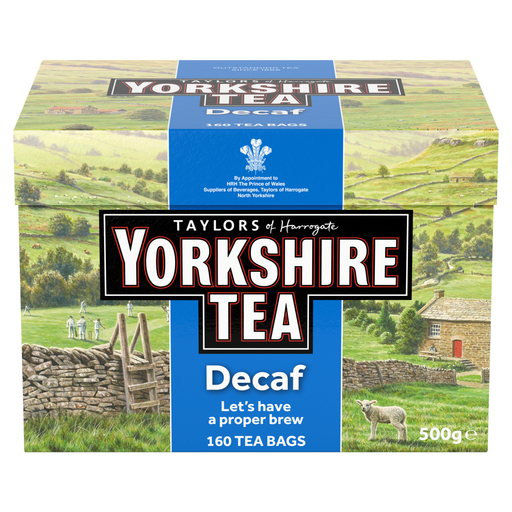
Why It Stands Out: For those who believe decaf can never match the taste of a "proper brew," Yorkshire decaf tea presents a compelling argument. Taylors of Harrogate has created a special blend designed to deliver that famously rich and satisfying flavour, just without the caffeine. It’s a robust everyday decaffeinated black tea that doesn’t feel like a compromise.
Pros:
Who is it for?: The traditional tea drinker who wants the authentic taste of a strong, classic British cuppa, any time of day or night.
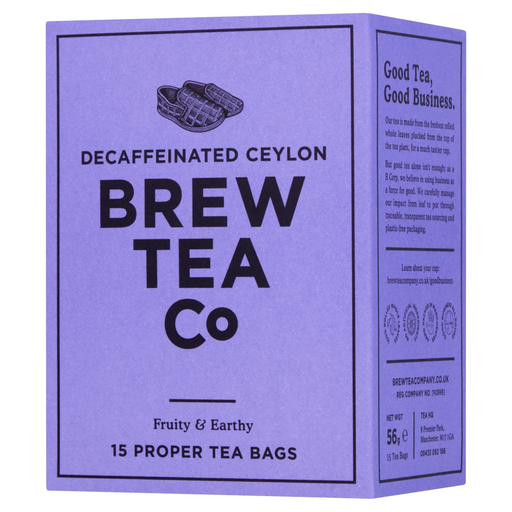
Why It Stands Out: Brew Tea Co. focuses on the quality of the leaf and the decaffeination process. By using the gentle CO2 method, they ensure the delicate, fruity notes of the Ceylon tea are preserved. The use of rolled whole leaves in their spacious decaf tea bags allows for a better infusion, releasing a smooth, bright flavour that is noticeably different from standard dust-filled bags.
Pros:
Who is it for?: The discerning tea drinker who appreciates the nuances of a single-origin tea and prioritises natural processing methods.

Why It Stands Out: Clipper offers a product that ticks all the boxes for the ethically and environmentally conscious consumer. It is both Organic and Fairtrade certified, meaning it’s made with respect for the planet and the people who grow the tea. The bags are unbleached and plastic-free, and the tea itself is a balanced, refreshing everyday blend.
Pros:
Who is it for?: The shopper who wants to make a positive impact with their purchase, without sacrificing the quality of their daily brew.
While these are some of our top recommendations, the world of decaf tea is broad and varied. If you’re looking for a different blend, pack size or loose-leaf option, you can find more choices in our curated collection.
Explore the full range of decaf tea at Joybuy.co.uk
1. Does decaf tea taste different from regular tea? Historically, many found decaf tea to be weaker in flavour. However, modern blending techniques and improved decaffeination processes, like the CO2 method, have significantly closed this gap. Brands like Yorkshire Tea specifically blend their decaf version to mimic the taste of their original tea, resulting in a surprisingly robust and satisfying flavour.
2. Is there still some caffeine in decaffeinated tea? According to UK regulations, decaffeinated tea must have the vast majority of its caffeine removed. A typical cup of decaf tea may contain a very small trace amount (usually 1-2 mg), compared to around 40-70 mg in a regular cup of black tea. For most people, this amount is negligible. It is important to distinguish this from caffeine free tea, such as herbal infusions like peppermint or camomile, which naturally contain no caffeine at all.
3. What is the most natural way to decaffeinate tea? The CO2 decaffeination method is widely considered one of the most natural and gentle processes. It uses only carbon dioxide and water to remove the caffeine, which helps to keep the tea's original flavour profile intact without the use of chemical solvents.