
24/7 Customer Support

Free returns

Same-day & Next-day Delivery

Quality Guaranteed

Unlock Your Welcome Offers: FREE Delivery | Up to 80% OFF | Free 30-day JoyPlus trial
Download the APP
For many of us, a cup of tea is more than just a drink; it's a ritual, a moment of calm in a busy day. But if you're looking to reduce your caffeine intake, the search for a satisfying decaf tea can be frustrating. Too often, the promise of a full-bodied brew falls flat, leaving you with a cup that lacks the character and depth of your usual cuppa.
As the Joybuy Product Recommendation Officer, my role is to help you navigate the crowded shelves and find products that deliver on their promises. When it comes to decaffeinated tea, many shoppers encounter the same few pitfalls that lead to disappointment.
By understanding what to look for, you can easily avoid these issues and find a decaf tea that offers a truly enjoyable experience, perfect for an evening brew or a caffeine-free day.
Choosing a great decaf tea isn't about luck; it's about knowing which details matter. Here are the three non-negotiable factors to check to ensure you get a full flavour decaf tea.
This is the single most important factor affecting the final taste. Look for brands that are transparent about their process.
Just as with regular tea, the quality of the leaves makes all the difference. The term "black tea" covers a vast range of grades and origins. While many decaffeinated tea bags use finely cut leaves for a quick infusion, some premium options use larger, whole leaves. These unfurl during brewing to release a more complex and nuanced flavour, avoiding the bitterness that can come from tea "dust." Look for information on the packaging about the tea's origin (e.g., Ceylon) or leaf style.
Certifications are a reliable, at-a-glance way to verify a product's credentials. For tea drinkers who are mindful of both personal health and global impact, two labels are particularly important:
Based on these criteria, we've matched a few standout products to different tea-drinking preferences.
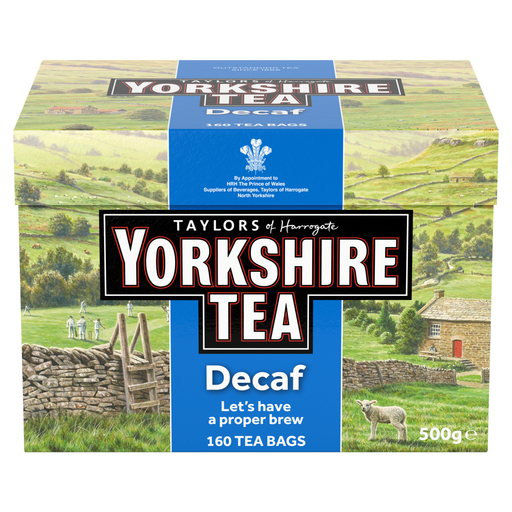
Why This Fits Their Persona: For those who want a reliable, no-fuss and satisfying "proper brew" at any time of day. This large pack from a trusted UK brand offers great value and the familiar, robust taste that Yorkshire decaf tea is known for.
It directly tackles the "flavourless water" problem by using a special blend of high-quality leaves specifically chosen to maintain a rich, bold character after decaffeination.
100% Carbon Neutral and part of the Ethical Tea Partnership, so it addresses ethical concerns. The large 160-bag pack size offers excellent value for daily drinkers.
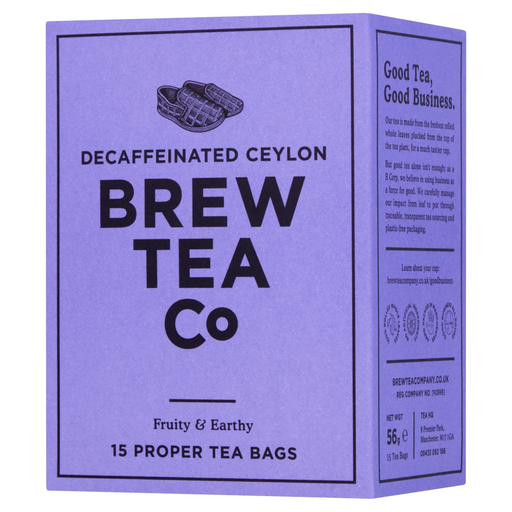
Why This Fits Their Persona: This is for the tea drinker who refuses to compromise on taste. They understand that the process matters and are looking for a decaf that can stand up to a high-quality regular tea.
It explicitly uses the gentle CO2 decaffeination method, which avoids the "hidden chemicals" concern and is designed to preserve the tea's delicate flavour compounds and aromatic oils.
Uses rolled whole leaves from Ceylon in biodegradable pyramid bags. This allows for a superior infusion, resulting in a smooth, bright liquor with fruity and earthy notes.
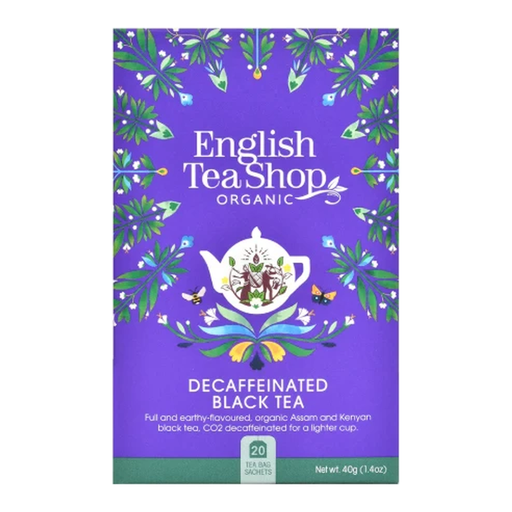
Why This Fits Their Persona: Ideal for the consumer who prioritises purity and sustainability. This tea provides the assurance that what they are drinking is both good for them and produced with care for the environment.
It directly addresses the "ethical blind spot" and concerns over purity. The product is explicitly described as organically grown and uses natural methods for decaffeination.
Certified organic, ensuring no artificial additives or preservatives. The focus on natural ingredients results in a smooth and mellow taste suitable for any time of day.
We have compiled a complete, real-time list of products that fully satisfy these strict selection criteria and UK safety regulations.
There are four main methods. Two use chemical solvents (ethyl acetate or methylene chloride) to bond with and remove caffeine. The other two are the Swiss Water Process (more common for coffee) and the CO2 decaffeination process. The CO2 method is highly regarded for tea as it uses natural carbon dioxide to remove caffeine while preserving the tea's flavour and aroma compounds.
According to UK regulations, a product labelled "decaffeinated" must have the vast majority of its caffeine removed. For tea, this typically means it must contain no more than 0.4% caffeine by dry weight. This leaves a very trivial amount, usually less than 2-5mg per cup, compared to 40-70mg in a standard cup of black tea. It is not completely caffeine-free, but the level is low enough not to have a stimulating effect on most people.
Historically, yes. The decaffeination process can alter the taste, sometimes making it milder or less complex. However, modern techniques, particularly the CO2 method, have significantly closed this gap. By choosing a tea that uses a high-quality process and good quality leaves, you can find a full flavour decaf tea that is remarkably close to its caffeinated counterpart.