
24/7 Customer Support

Free returns

Same-day & Next-day Delivery

Quality Guaranteed

Unlock Your Welcome Offers: FREE Delivery | Up to 80% OFF | Free 30-day JoyPlus trial
Download the APP
Waking up to streaming condensation on your windows is a familiar sight for many in the UK. That persistent damp feeling in the air, the musty smell in wardrobes and the slow, frustrating process of drying laundry indoors can make a home feel less than comfortable. Excess moisture is more than just an inconvenience; it can lead to issues with damp and mould, which can affect both your property and your well-being.
A quality dehumidifier for home use is a practical and effective solution. It works by drawing in moist air, removing the water and releasing drier air back into the room. This helps to create a healthier, more pleasant living environment. But with so many models available, choosing the right one can feel overwhelming. This guide is designed to cut through the clutter, explaining the key features to consider and highlighting some recommended options to help you find the perfect fit for your needs.
Before diving into specific products, understanding a few key factors will help you make an informed decision.
Dehumidifiers primarily use one of two technologies, and the right choice depends on the temperature of the space you need to treat.
The "extraction rate" tells you how many litres of water a unit can remove from the air in 24 hours. This is usually measured under specific conditions (e.g., 30°C and 80% humidity), so real-world performance will vary. As a general rule:
Modern dehumidifiers come with features that can make a big difference to daily use.
Here are a few models that stand out for their features and suitability for common UK household needs.
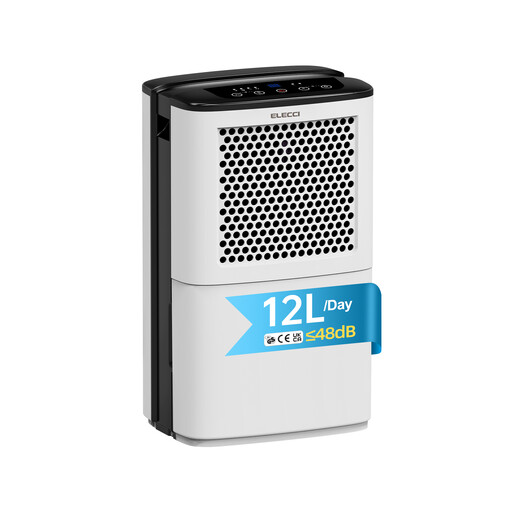
Why It Stands Out: This ELECCI model offers a great balance of performance and size. With an extraction capacity of up to 12 litres per day, it's well-suited for tackling everyday humidity in medium-sized rooms up to 25m?. Its multiple modes, including a dedicated drying function, make it a versatile appliance for general air quality control and helping with laundry.
Pros:
Who is it for? This is an excellent all-rounder for those living in flats or medium-sized homes who need a reliable solution for managing condensation in living rooms, bedrooms, or for speeding up clothes drying.
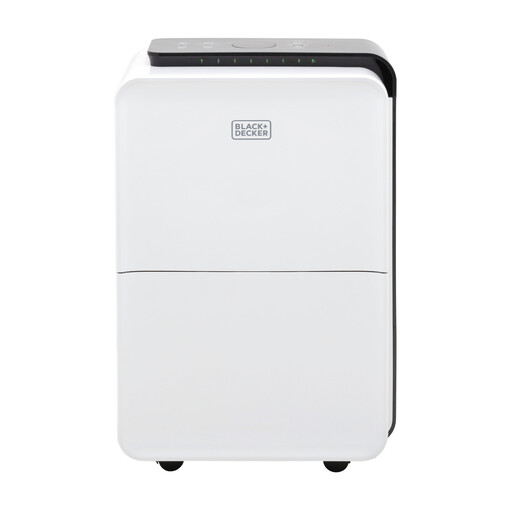
Why It Stands Out: For larger spaces or more serious damp problems, this BLACK+DECKER unit provides serious power. It can extract up to 30 litres of moisture per day, making it suitable for open-plan living areas, basements, or entire floors of a house. Its 4-in-1 functionality includes dehumidifying, continuous drying, a laundry mode and an air refresh function with an active carbon filter.
Pros:
Who is it for? Homeowners dealing with significant dampness, condensation in large rooms, or those who want a single, powerful unit to manage the air quality of a large area.
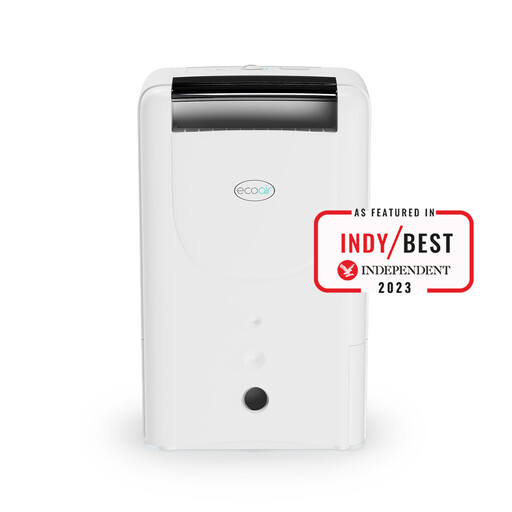
Why It Stands Out: This is a desiccant dehumidifier, which makes it a standout performer in cooler conditions where compressor models often struggle. The ecoair DD1 is highly effective in unheated spaces like garages, utility rooms, boats, or caravans. It also releases gently warmed air, which can help take the chill off a cool room.
Pros:
Who is it for? Anyone needing to control damp in a colder part of their home, or those looking for a dedicated and highly effective laundry-drying assistant.
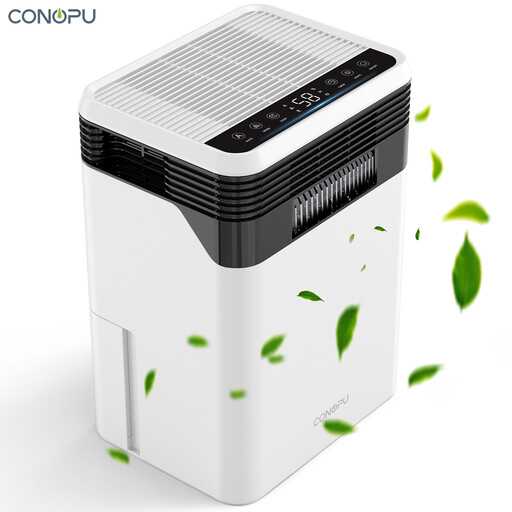
Why It Stands Out: Designed for smaller spaces and quiet operation, the CONOPU CS11 is an ideal companion for bedrooms and home offices. It uses semiconductor technology to achieve a very low noise level, operating at just 33 dB in sleep mode. The independent light control means you can turn off all display lights for an undisturbed night's sleep.
Pros:
Who is it for? Those who need a quiet dehumidifier for a bedroom or office to manage localised humidity and condensation without creating a disturbance.
If the models above aren't quite what you're looking for, or if you'd like to compare a wider range of sizes and features, there are many other choices available. Exploring different capacities and feature sets will ensure you find the perfect appliance to keep your home dry and comfortable.
Browse our full collection of the best room dehumidifier models to find the ideal fit for your space.
For optimal performance, place your dehumidifier in a central location with at least 20-30cm of clear space around all sides. This allows for unrestricted airflow into the vents and efficient circulation of the drier air. Avoid placing it in a corner or directly against a wall.
This depends on the humidity level in your home. When first tackling a damp problem, you may need to run it continuously for a few days. For maintenance, many modern units have a built-in humidistat. You can set this to a desired level (typically 40-50% relative humidity), and the machine will automatically switch on and off to maintain it, saving energy.
By reducing the overall moisture in the air, a dehumidifier helps create an environment that is less hospitable to common allergens like mould spores, dust mites and mildew. While not a medical device, maintaining a lower humidity level can be a key part of creating a healthier indoor atmosphere for allergy sufferers.