
24/7 Customer Support

Free returns

Same-day & Next-day Delivery

Quality Guaranteed

Unlock Your Welcome Offers: FREE Delivery | Up to 80% OFF | Free 30-day JoyPlus trial
Download the APP
Waking up to streaming windows, noticing musty smells in the wardrobe or struggling to get laundry dry indoors are common frustrations in many UK homes. Excess moisture in the air doesn't just feel uncomfortable; it can lead to problems with condensation, damp and mould. A quality dehumidifier is a straightforward and effective way to manage your home's humidity, creating a healthier and more pleasant environment.
Navigating the market can be confusing, with various types, sizes and features to consider. This guide is designed to cut through the clutter, explaining the key factors you need to know to choose a dehumidifier that genuinely suits your space and needs.
As the Joybuy Product Recommendation Officer, my role is to provide clear, practical advice to help you make an informed decision.
Before looking at specific models, understanding a few core concepts will ensure you select a machine that performs effectively in your home.
The most significant choice you'll make is between a compressor and a desiccant dehumidifier. Their performance varies greatly depending on room temperature.
Dehumidifier performance is measured in two ways:
Beyond the basics, certain features can significantly improve your experience:
Here are a few recommendations that address common household needs, from tackling cold-room damp to managing humidity in a small flat.
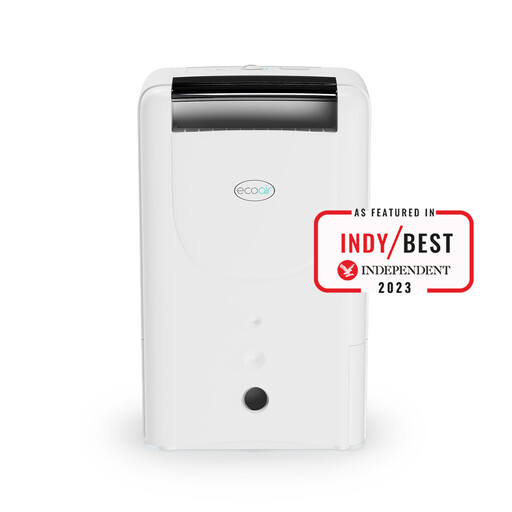
Why It Stands Out: The EcoAir DD1 is a classic desiccant dehumidifier known for its reliable performance in cool conditions where compressor models falter. Its simple, no-fuss rotary dial makes it incredibly easy to use and the dedicated laundry mode is highly effective for indoor drying. It also releases gently warmed air, which can help take the chill off a cold room.
Pros:
Who is it for? Anyone needing to control damp in a garage, cellar, utility room, caravan or conservatory. It's also a great choice for those who prioritise a powerful laundry drying function.
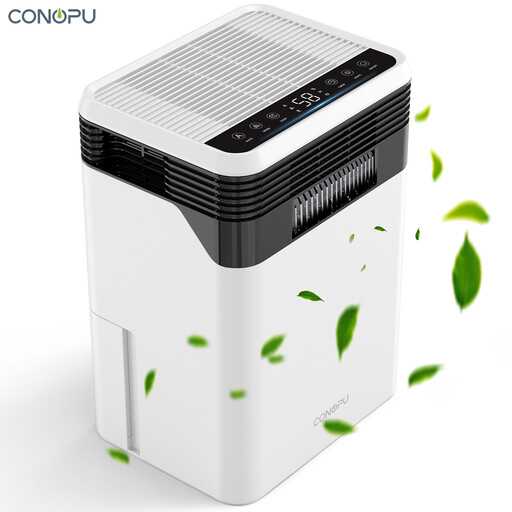
Why It Stands Out: This small dehumidifier uses semiconductor technology, allowing it to operate at a very low noise level, making it ideal for bedrooms and home offices. Despite its compact footprint, it features a surprisingly large capacity 3-litre water tank, reducing the frequency of emptying. The smart touch panel with a colour-coded humidity indicator provides at-a-glance information.
Pros:
Who is it for? Those living in smaller flats or needing to manage humidity in a single room like a bedroom or study, where low noise is a top priority.
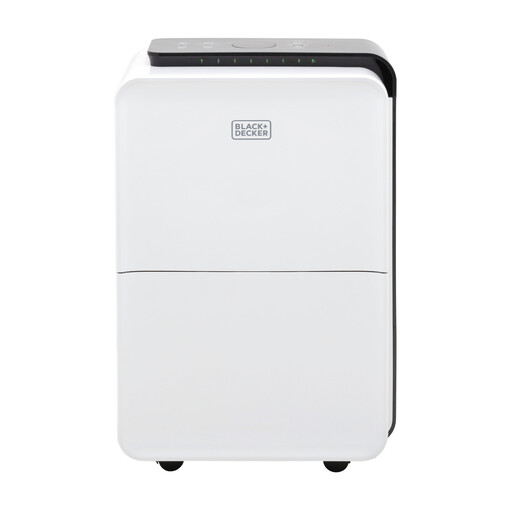
Why It Stands Out: This is a powerful compressor dehumidifier built for tackling serious moisture in large spaces. With a high extraction rate of up to 30 litres per day, it's well-suited for open-plan living areas, basements or entire floors. Its 4-in-1 functionality includes auto mode, continuous drying, a clothes drying setting and a fan-only air refresh mode. The smart dehumidifier controls allow you to set a precise humidity target.
Pros:
Who is it for? Homeowners with large rooms, open-plan spaces or persistent damp problems who need a high-performance, versatile machine to manage the entire environment.
If the models above aren't quite what you're looking for, or you'd like to compare more specifications, there are many other units available.
Browse our full collection of the best value dehumidifier models to find the ideal fit for your home.
The main difference is the technology and ideal operating temperature. A compressor dehumidifier uses refrigeration to cool the air and condense moisture, making it most efficient in warm rooms (above 15°C). A desiccant dehumidifier uses an absorbent material to extract moisture and works consistently well even in cold temperatures, making it perfect for unheated UK garages or utility rooms in winter.
Yes, absolutely. A dehumidifier for condensation is one of its primary uses. Condensation forms when warm, moist air comes into contact with a cold surface like a windowpane. By reducing the overall amount of moisture (humidity) in the room's air, a dehumidifier prevents this from happening, keeping your windows clear and window sills dry.
The running cost depends on the unit's power consumption (measured in Watts), your electricity tariff and how many hours a day it operates. Desiccant models generally have a higher wattage than compressors but may resolve a moisture issue faster in cold rooms, meaning they run for less time. Many modern units with humidistats only run when the ambient humidity rises above your set level, which helps to manage energy consumption effectively. For a rough estimate, check the power rating on the product specifications and multiply it by your cost per kilowatt-hour (kWh) from your energy bill.