What matters when choosing
Confirm the profiling workflow and reproduce the slowdown before deciding how much CPU capacity you need; then check the exact desktop configuration and its fit at the shared desk.
| Concern | What to check | Who this matters to |
|---|
| Finding the bottleneck |
Confirm that the operating system and profiler can capture the activity you need, and that the slowdown can be reproduced locally. |
I need to see what slows the script before choosing hardware to address it. Around 31% of consumers put bottleneck visibility first. |
| Parallel throughput |
Check whether the script, test runner and other local jobs can run concurrently before selecting a high-core CPU. |
With builds or local services running alongside a trace, I need the machine to handle concurrent work. Parallel throughput is the primary concern for around 19% of consumers. |
| Shared-desk operation |
Ask for noise information under sustained work and check tower placement and ventilation clearance. |
I need to run longer profiling sessions without making a nearby colleague's desk distracting. Around 25% of consumers place shared-desk operation first. |
| Configuration fit |
Check the selected operating system, installed memory, SSD capacity and expansion options rather than relying on a product-family name. |
My development tools and trace files must fit the configuration I actually order. For around 25% of consumers, that match is the primary need. |
Joybuy desktops for Windows profiling
These Windows 11 Home desktops offer different memory, storage and desk-setup configurations for a Windows profiling workflow. Four are towers and one is an all-in-one; check profiler compatibility, workload fit and sustained-load noise for the model you choose. A listed graphics card does not establish a benefit for profiling this script.
 No image available
CyberPowerPC JOYB1013 Ryzen 7 9800X3D, RTX 5080, 32 GB, 2 TB
Consider this tower if your Windows profiling setup needs room for the script and other applications to run together.
The listed configuration has an AMD Ryzen 7 9800X3D, 32 GB DDR5 memory, a 2 TB NVMe SSD, NVIDIA GeForce RTX 5080 16 GB and Windows 11 Home. Ask about noise during sustained work and confirm which desk peripherals you need to supply.
View on Joybuy
 No image available
CyberPowerPC JOYB1010 Core Ultra 7 265KF, RTX 5070, 32 GB, 1 TB
This tower is a Windows option to examine if you plan to profile while other development applications are open.
The listed configuration has an Intel Core Ultra 7 265KF, 32 GB DDR5 memory, a 1 TB NVMe SSD, NVIDIA GeForce RTX 5070 12 GB and Windows 11 Home. Confirm that the storage capacity suits your trace files, and ask about sustained-load noise and desk peripherals.
View on Joybuy
 No image available
Stormforce Cyclone Core i7, RTX 5080, 32 GB, 2 TB
Consider this Windows tower if your script and development tools call for the listed memory and local storage, subject to checking the available desk space.
Its product name specifies an Intel Core i7, 32 GB RAM, a 2 TB SSD, RTX 5080 and Windows 11. Check the tower's placement and handling needs, ask about noise during sustained profiling, and confirm the required peripherals.
View on Joybuy
 No image available
Stormforce Defiance Ryzen 7 5700X, RTX 5070, 32 GB, 2 TB
This Windows tower is worth checking if you need to keep development applications open alongside a profiling run.
The product name lists an AMD Ryzen 7 5700X, 32 GB RAM, a 2 TB SSD, RTX 5070 and Windows 11. Confirm the desk fit, sustained-load noise and peripherals before deciding whether this configuration suits the shared setup.
View on Joybuy
 No image available
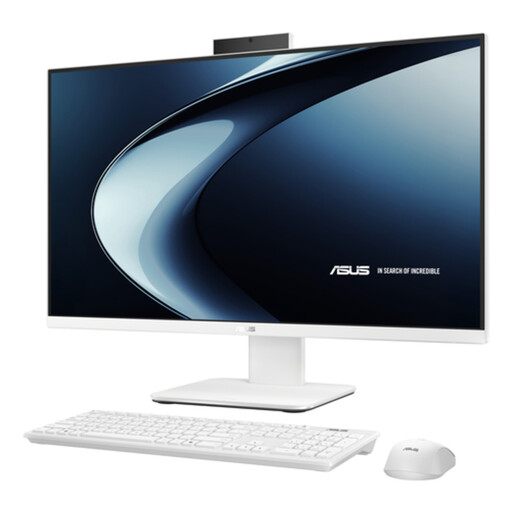
ASUS V400 AiO V470VAK-WPE032W, 27-inch, 16 GB, 512 GB
Consider this all-in-one if the shared-desk arrangement needs an integrated display and its memory and storage suit the script and tools you will run.
The listed configuration has a 27-inch Full HD display, Intel Core i7-13620H, 16 GB DDR5 memory, a 512 GB SSD and Windows 11 Home. Check the space needed for applications and trace files, and ask about noise during sustained profiling.
View on Joybuy
Common questions
Do I need a high-core workstation to profile one slow script?
Not unless the script or work running alongside it can use those cores. Microsoft Learn describes Windows Performance Recorder profiles for investigating CPU, disk and file activity, so establish what happens during the slowdown before selecting a processor for parallel throughput.
How much memory should I choose for profiling?
Choose enough for the script, development tools and trace analysis to run together without avoidable paging; 32 GB is a configuration to compare here, not a universal minimum. Check the exact model: Lenovo UK lists ThinkStation P3 Tower Gen 2 variants with substantially different installed memory.
How can I assess fan noise before putting a desktop at a shared desk?
Ask suppliers about likely noise during the kind of sustained work you intend to run, using comparable conditions when reviewing their answers. The Health and Safety Executive says supplier noise information can guide a choice but should not be treated as a guarantee for your installation.
Should the shared-desk setup be reviewed beyond the computer?
Yes: consider the display, input devices, chair, desk and surrounding environment together. Health and Safety Executive display-screen guidance includes hot-desking, so review the workstation arrangement people will actually use.


