
24/7 Customer Support

Free returns

Same-day & Next-day Delivery

Quality Guaranteed

Unlock Your Welcome Offers: FREE Delivery | Up to 80% OFF | Free 30-day JoyPlus trial
Download the APP
That feeling of fullness or discomfort after a meal is a common experience. For many, the simple ritual of brewing a warm cup of herbal tea can be a comforting way to round off dinner. A well-chosen digestive tea can be a pleasant addition to your daily routine, especially when you're feeling bloated or heavy.
With so many options available, from traditional herbal blends to those with added functional ingredients, it can be difficult to know where to start. This guide is designed to help you navigate the choices, understand what to look for in a tea for digestion and find a blend that suits your needs and preferences.
When selecting a bloating tea or a general herbal tea for digestion, a few key considerations can help you make an informed choice.
Many digestive blends are built around a core of well-known herbs. Looking at the ingredient list is the first step to finding a tea you'll enjoy.
Some modern blends go beyond traditional herbs by including ingredients to support overall wellness. If you're looking for a gut health tea, you might find options fortified with vitamins or probiotics. For example, some products now feature tea with probiotics that have been specifically cultivated to withstand the heat of boiling water, delivering their benefits directly to your cup. You may also find teas with added minerals like zinc, which contributes to normal macronutrient metabolism.
Your choice between tea bags and loose-leaf tea often comes down to convenience versus ritual.
Here are a few different types of digestive teas to consider, each offering a unique blend and experience.

Why It Stands Out: This blend combines the classic digestive pairing of mint (39%) and fennel (39%) with added functional ingredients. It is fortified with zinc, which contributes to normal carbohydrate metabolism, and includes a probiotic, Bacillus subtilis, which is specifically chosen for its ability to survive in hot water.
Pros:
Who is it for: Anyone seeking a convenient daily tea that combines traditional herbs with the added benefits of zinc and probiotics.

Why It Stands Out: For those who appreciate the ritual of loose-leaf tea, this Old Fir Narcissus is a premium Oolong from the Wuyi Mountains. Rock teas like this are traditionally consumed to aid digestion and metabolism. It offers a unique flavour profile described as having a "mineral sweetness" and is rich in antioxidants derived from its long growth cycle.
Pros:
Who is it for: Tea enthusiasts and anyone looking for a sophisticated, traditional loose-leaf tea to enjoy as a post-meal digestive aid.
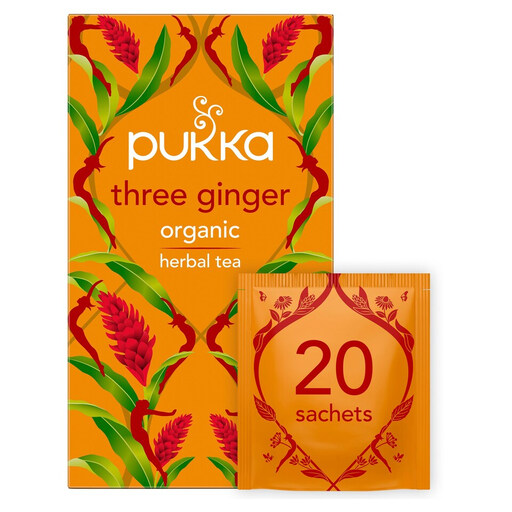
Why It Stands Out: This is a powerful and warming organic digestive tea. The blend features a trio of roots from the ginger family: ginger root (62%), galangal root (21%) and turmeric root (4%). It is naturally caffeine-free and made with ethically sourced, organic ingredients. The brand also prioritises sustainability, with home-compostable tea bags and recyclable packaging.
Pros:
Who is it for: Those who love a fiery, warming brew and prioritise buying organic and sustainably produced products.
These recommendations offer a glimpse into the variety of digestive teas available. If you haven't found your perfect match or wish to see what else is on offer, there are many other blends to discover.
To browse a wider selection, explore our complete range of Digestive tea.
What is a good herbal tea for digestion? Herbal teas containing ingredients like peppermint, ginger, fennel and chamomile are popular choices. Peppermint and fennel are often used for feelings of bloating, while ginger is known for its warming qualities that can help settle the stomach.
When is the right time to drink a bloating tea? Many people find it most beneficial to drink a cup of digestive or bloating tea shortly after a large meal. Since most herbal blends are caffeine-free, they can be enjoyed at any time of day, including in the evening before bed, without interfering with sleep.
Can I drink digestive tea every day? For most people, drinking a cup of herbal digestive tea daily is a perfectly fine habit. It is always a good idea to read the manufacturer's recommendations on the packaging. Some ingredients, such as liquorice root, are sometimes advised to be consumed in moderation, so it's wise to be aware of the specific blend you are drinking.