
24/7 Customer Support

Free returns

Same-day & Next-day Delivery

Quality Guaranteed

Unlock Your Welcome Offers: FREE Delivery | Up to 80% OFF | Free 30-day JoyPlus trial
Download the APP
Choosing a dog bowl seems simple enough. It’s just a container for food and water, right? Yet, many UK dog owners find themselves replacing bowls far too often, cleaning up unnecessary messes or even dealing with a fussy eater. The market is filled with options that look good on the shelf but fail in practice. Before you make another purchase, it's worth understanding the common pitfalls that lead to wasted money and frustration.
As a Joybuy Product Recommendation Officer, my role is to help you see past the marketing and focus on what truly matters for you and your dog. Let's look at the frequent issues:
To avoid these traps, focus on a few core parameters. Getting these right will ensure you buy a bowl that is safe, durable and well-suited to your dog's specific needs.
The material of your dog's bowl directly impacts its cleanliness, durability and safety.
stainless steel dog bowl is easy to clean and will last for years.ceramic dog bowl is heavy and stable, making it an excellent choice for preventing tipping. The material also helps to keep water cooler for longer. Ensure it is finished with a lead-free, food-grade glaze to prevent chipping and ensure it's non-porous.slow feeder dog bowl designs and travel bowls due to their light weight and flexibility.Beyond the material, the bowl's design should match your dog's eating habits and physical characteristics.
non-slip dog bowl. This means a bowl with a substantial, full-contact rubber base or a heavyweight design, like those made from solid ceramic.elevated dog bowl or raised dog bowl can offer significant benefits for large or senior dogs, as well as those with arthritis or neck issues. By raising the food to a more comfortable height, it can reduce strain and improve posture during meals.slow feeder dog bowl is a practical solution. These bowls have built-in obstacles that force your dog to eat more slowly, which can aid digestion and reduce the risk of bloating.Finally, ensure the bowl is the right size. A large dog bowl is necessary for breeds like Labradors or German Shepherds to hold a full meal without spillage. Conversely, a smaller, shallower bowl is better for toy breeds. As a general rule, the bowl should be wide enough to accommodate your dog's snout comfortably and deep enough to hold their meal.
Based on these practical criteria, here are a few options suited to different types of dog owners across the UK.
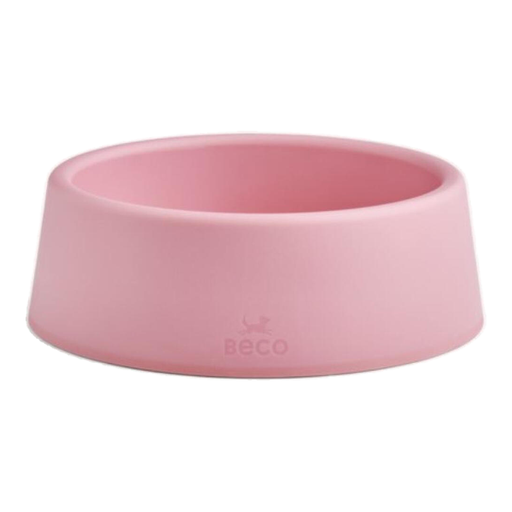
Why This Fits Their Persona: Ideal for owners tired of cleaning up after a dog that pushes its bowl around the kitchen. This bowl is designed specifically to stay put, even during the most vigorous mealtimes.
It directly counters the "non-slip" myth. Its wide, non-tip base and grippy material provide genuine stability, preventing the sliding and flipping common with lesser bowls.
Made from 96% post-consumer recycled plastic, it's a sturdy and environmentally responsible choice. It is also dishwasher safe and features an easy-grip handle.
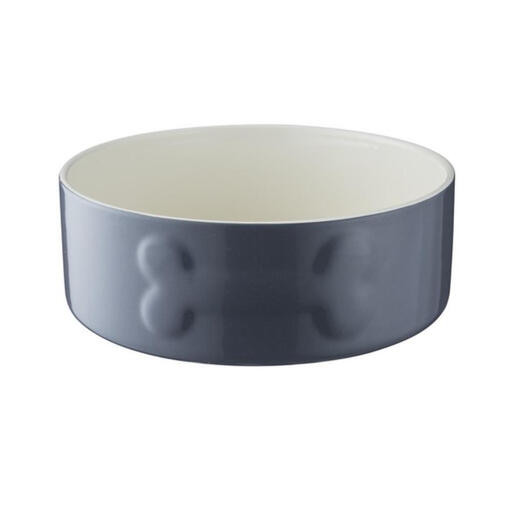
Why This Fits Their Persona: For those who believe pet accessories shouldn't compromise their home's aesthetic. This bowl blends classic British design with practical function, looking smart in any kitchen.
This bowl avoids the hygiene hazard of cheap plastic. Its heavy, chip-resistant stoneware is durable, hygienic and provides excellent stability without needing a rubber base.
The heavyweight construction prevents tipping and sliding. It is also dishwasher and microwave safe, adding a layer of convenience to its timeless style.
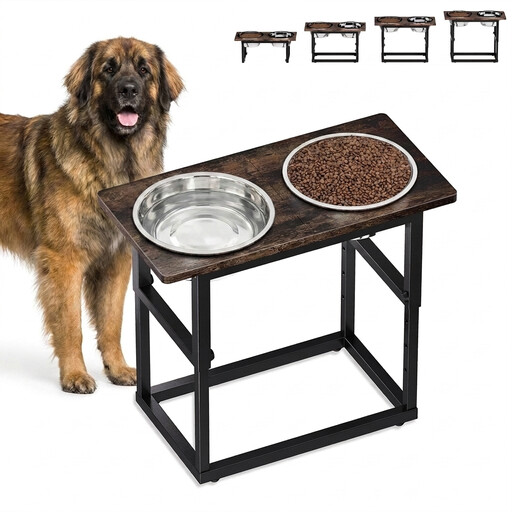
Why This Fits Their Persona: A must-have for owners of large dogs like German Shepherds, Retrievers or Great Danes who need an ergonomic feeding station to support their frame.
This directly solves the "one-size-fits-none" problem. With five adjustable height levels (from 21cm to 44cm), it can be perfectly tailored to your dog's stature, promoting a healthier posture.
It includes two large-capacity (1600ml each) 304 stainless steel bowls, which are durable and hygienic. The stand also has non-slip feet for stability.
We have compiled a complete, real-time list of products that fully satisfy these strict selection criteria and UK safety regulations.
For your dog's health, their water bowl should be emptied, cleaned and refilled with fresh water daily. Food bowls should be cleaned after every meal, particularly if you use wet food. Choosing dishwasher-safe bowls made from stainless steel or ceramic can make this daily task much easier.
For many dogs, yes. A raised dog bowl can be particularly beneficial for large breeds, senior dogs and dogs with arthritis or other mobility issues, as it reduces the need for them to bend down, easing strain on their neck, shoulders and joints. However, every dog is different, so it's wise to observe your pet to ensure they are comfortable with the new height.
Non-porous materials are the most hygienic choices because they resist scratches and don't absorb odours or bacteria. Food-grade stainless steel and high-quality, glazed ceramic are excellent options. They are both durable and easy to sanitise, helping to keep your dog's feeding area clean and safe.