
24/7 Customer Support

Free returns

Same-day & Next-day Delivery

Quality Guaranteed

Unlock Your Welcome Offers: FREE Delivery | Up to 80% OFF | Free 30-day JoyPlus trial
Download the APP
A suitable toy can support chewing, exercise, training and independent play. The difficult part is separating useful design from persuasive packaging. Many dog owners buy a toy that looks durable online, only to find that it splits at the seam, is too small for the dog’s mouth or loses its appeal after a few days.
This guide explains what to check before buying dog chew toys, including materials, dimensions, play style and supervision requirements. It also matches practical options to different household needs.
No dog toy is genuinely indestructible. Even tough dog toys for aggressive chewers can crack, shed fibres or develop sharp edges under repeated use. A product described as bite-resistant should still be inspected before and after play.
Look for clear information about:
A plush toy with reinforced stitching may last longer than a thin fabric toy for a moderate chewer, but it is not the right choice for every dog.
“Suitable for all breeds” does not mean suitable for every chewing strength or mouth size. A small toy may present a swallowing risk for a large dog, while a very hard or oversized toy may be difficult for a puppy or small breed to grip.
Always compare the toy’s dimensions with your dog’s size and play habits. The product’s stated suitability should be treated as a starting point, not a substitute for supervision.
Textured dental chew toys for dogs can provide friction against parts of the tooth surface during chewing, but they do not replace brushing or professional veterinary advice. Avoid treating a toy as a complete dental-care solution.
For responsible use, choose an appropriate size, monitor wear and remove the toy if pieces become loose. If your dog has an oral-health concern, ask a vet for suitable advice.
Different materials suit different uses:
For interactive dog toys, also check whether they contain batteries, electronic parts, squeakers or detachable components. These features can increase engagement but require closer inspection.
A toy should be large enough that your dog cannot swallow it whole, while still being comfortable to carry and grip. Product measurements are particularly important when shopping for toys for medium and large dogs.
Shapes also affect use:
Choose a toy based on what you want to encourage. A ball can support outdoor exercise, while a treat-dispensing toy may provide indoor enrichment on wet UK days. A rope can be useful for tug training, but avoid allowing your dog to swallow frayed strands.
Dogs left alone should not automatically be given a toy unsupervised. Toys for separation anxiety may offer a familiar activity, but they are not a treatment for distress. Introduce any new product while you are present and observe how your dog uses it.
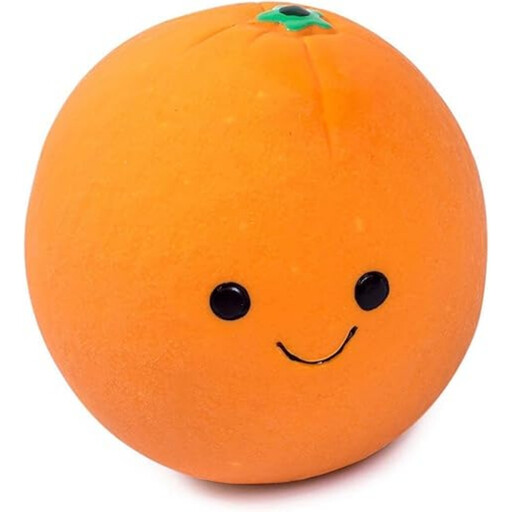
Why This Fits Their Persona: A three-piece set gives new dog owners several toys to rotate between indoor play and outdoor games of fetch.
The listing states that the latex toys are not indestructible and advises regular inspection, rather than implying unlimited durability.
Built-in squeakers, soft latex texture and three large toys for rotation.
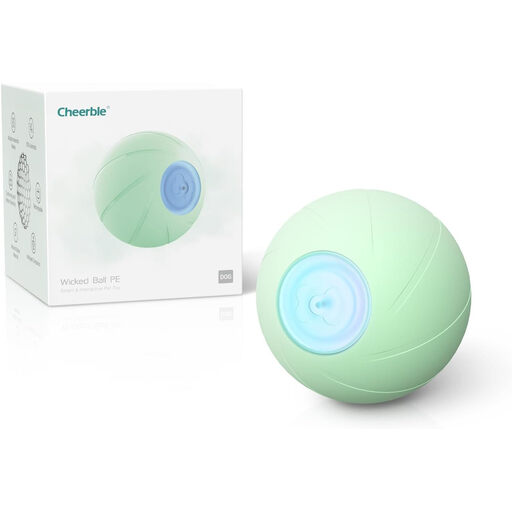
Why This Fits Their Persona: Suitable for owners seeking hands-free indoor engagement for a medium or large dog, particularly during poor weather.
Its stated specifications identify three play modes, rechargeable power and a sealed core, making the operating requirements clearer than vague “smart” toy descriptions.
LED lights, obstacle sensors and up to 90 minutes of play per charge according to the supplied specification.
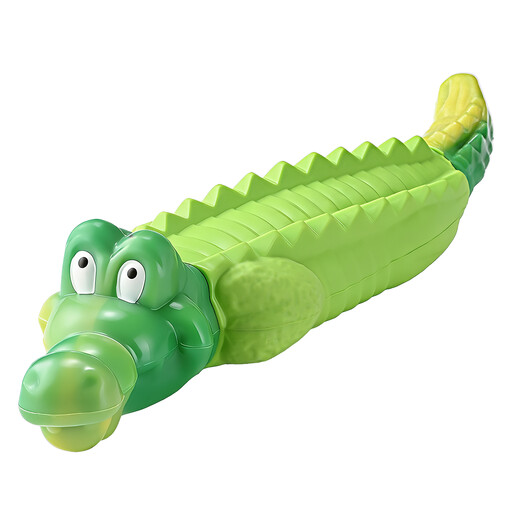
Why This Fits Their Persona: The 24 × 6 cm format and medium-to-large breed positioning suit active dogs that combine chewing, fetching and outdoor play.
Its size guidance discourages use by small dogs, helping buyers avoid choosing a toy solely because its material sounds tough.
Nylon core, natural rubber exterior and a textured crocodile shape for gripping and retrieving.
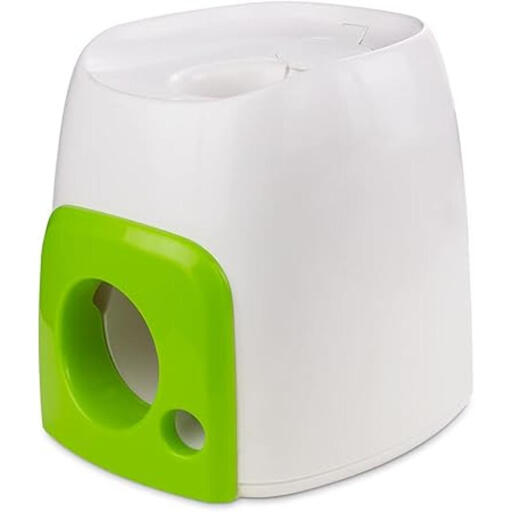
Why This Fits Their Persona: A practical choice for owners wanting a battery-free puzzle activity that combines ball play with treat discovery.
The instructions explain how the ball activates the hatch and recommend supervised training, rather than promising instant independent play.
Battery-free operation, treat-hiding compartments and a ball-triggered reward mechanism.
Before giving your dog a new toy:
When comparing products sold in the UK, look for clear safety warnings, traceable seller information and instructions written for the intended animal and use. A familiar brand name alone does not determine whether a toy matches your dog.
We have compiled a complete, real-time list of products that fully satisfy these strict selection criteria and UK safety regulations.
Lifespan depends on chewing strength, material, frequency and design. A plush toy may wear faster than a solid rubber or nylon product. Inspect regularly rather than relying on a fixed replacement schedule, and replace any toy with cracks, exposed filling, loose seams or accessible squeakers.
They can be used safely when supervised and correctly sized. The squeaker itself may become a swallowing hazard if the outer material tears. Dogs that quickly dismantle toys may need a different format, such as a suitably sized rubber chew or supervised tug toy.
Textured surfaces may help rub against some tooth surfaces during chewing, but dog chew toys should not be considered a replacement for brushing or veterinary dental care. Choose a product that is correctly sized, monitor wear and ask your vet about your dog’s specific dental needs.