
24/7 Customer Support

Free returns

Same-day & Next-day Delivery

Quality Guaranteed

Unlock Your Welcome Offers: FREE Delivery | Up to 80% OFF | Free 30-day JoyPlus trial
Download the APP
As a nation of dog lovers, we want what's right for our four-legged companions. Yet, navigating the world of dog food in the UK can feel overwhelming. With aisles full of brightly coloured bags and tins all making bold claims, it's easy to fall into common purchasing traps. As the Joybuy Product Recommendation Officer, my role is to help you see past the marketing jargon and focus on what truly matters for your dog's health and happiness.
Before you add a new food to your basket, let's look at a couple of pitfalls that many well-meaning owners encounter.
To make an informed choice, you need to become comfortable reading the back of the pack. Focus on these key parameters to ensure you're getting a quality product.
The ingredients on a dog food label are listed by weight, from highest to lowest. The first five give you the clearest picture of the food's quality. Look for a specific, named source of animal protein as the number one ingredient, such as "Fresh Chicken", "Turkey Meal" or "Salmon". Be cautious of vague terms like "meat and animal derivatives," which can obscure the true quality and source of the protein.
Choosing between wet dog food and dry dog food often comes down to your dog's needs and your lifestyle.
A dog's nutritional requirements change dramatically throughout its life. Feeding a diet designed for their specific age is crucial for long-term health.
To help you connect these principles to real products, here are a few options matched to common UK dog owner profiles.
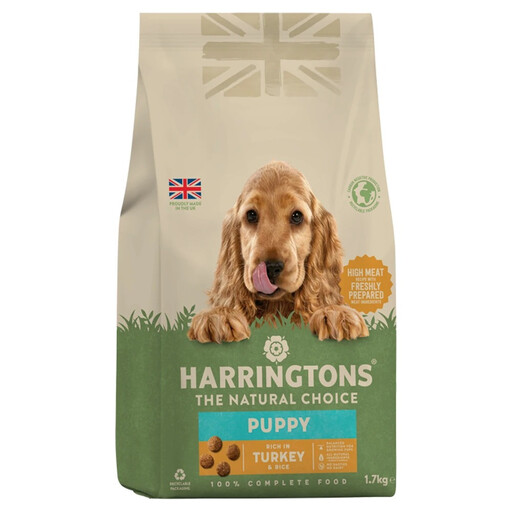
Why This Fits Their Persona: For those welcoming a new puppy, this food provides a complete and balanced start. It's specifically designed for growing dogs, taking the guesswork out of nutrition during this critical phase. The smaller kibble is perfect for little mouths.
It avoids the vague "natural" trap by clearly stating its composition, with turkey and meat meals at 33% and freshly prepared chicken listed high up. It's a puppy food that delivers on its promise of high-quality protein.
Contains salmon oil for Omega 3 & 6 fatty acids to support cognitive development and a healthy coat. Includes prebiotics to aid digestive health, which is vital for young puppies.
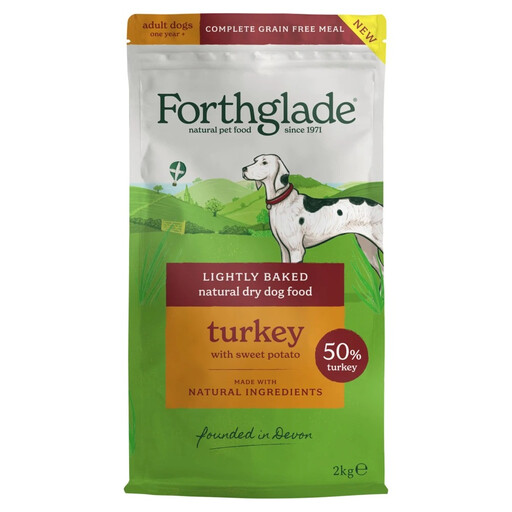
Why This Fits Their Persona: This is for the owner who reads every label and prioritises clean, simple ingredients. The grain-free recipe and high meat content are ideal for those managing a dog's dietary sensitivities or simply aiming for a high-quality diet.
It sidesteps the "grain-free" illusion by using sweet potato and peas as quality carbohydrate sources, not just cheap fillers. The "natural" claim is backed by a 50% turkey content and a clear list of botanicals, with no artificial additives.
The "lightly baked" process is designed to retain more natural flavour and nutrients. It's a hypoallergenic dog food formula, making it suitable for dogs with sensitive stomachs.
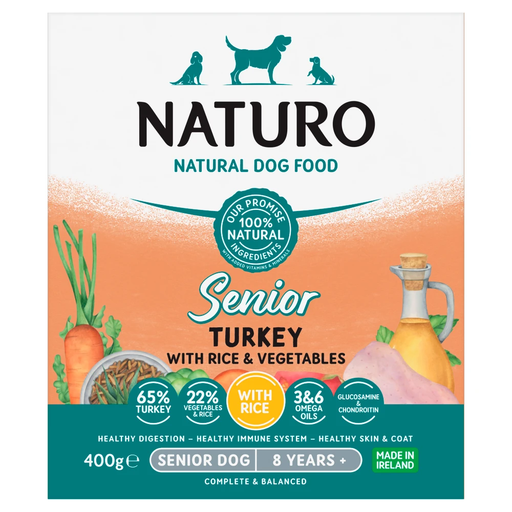
Why This Fits Their Persona: Owners of older dogs need a food that supports mobility and is easy to eat. This wet food is highly palatable and soft, and its formula is specifically designed for the needs of a senior dog, focusing on joint health and digestibility.
This food moves beyond generic life-stage marketing by including functional ingredients. It contains Glucosamine & Chondroitin, which are specifically added to help maintain joint health and cartilage, a common concern for senior dogs.
Features a very high meat content (65% turkey) for easily digestible protein. The wet texture and high moisture content make it ideal for older dogs who may have reduced appetites or dental sensitivities.
We have compiled a complete, real-time list of products that fully satisfy these strict selection criteria and UK safety regulations.
A sudden change in diet can cause digestive upset. The best approach is a gradual transition over 7-10 days. Start by mixing a small amount of the new food (around 25%) with their old food (75%). Every couple of days, increase the proportion of the new food while decreasing the old, until you have fully transitioned.
The feeding guide on the packaging is your starting point. These are recommendations, and the exact amount will depend on your dog's age, breed, weight and activity level. A working collie will need more calories than a relaxed bulldog of the same weight. Monitor your dog's body condition—you should be able to feel their ribs but not see them—and adjust portions as needed.
Not necessarily. Grain-free diets are essential for dogs with a diagnosed grain allergy or sensitivity. For most dogs, whole grains like rice, oats and barley are excellent sources of energy, fibre and nutrients. The most important factor is the overall quality and digestibility of the ingredients, whether they are grains or grain alternatives. Always consult your vet if you suspect your dog has a food allergy.