
24/7 Customer Support

Free returns

Same-day & Next-day Delivery

Quality Guaranteed

Unlock Your Welcome Offers: FREE Delivery | Up to 80% OFF | Free 30-day JoyPlus trial
Download the APP
Navigating the world of dog food can feel overwhelming. With aisles full of bags promising everything from a shinier coat to a longer life, it is easy to fall for marketing hype. As a dog owner in the UK, you want to provide nutritious, safe and appropriate food for your companion, but cutting through the clutter is a real challenge. Many well-intentioned owners find themselves paying a premium for features their dog may not even need.
As the Joybuy Product Recommendation Officer, my role is to help you identify the key factors that truly matter. Before you make your next purchase, let’s look at some common pitfalls and how to avoid them.
To make an informed choice, focus on these core parameters rather than just the marketing claims on the front of the bag.
The ingredient list is your most powerful tool. In the UK, ingredients must be listed in descending order by weight.
A dog's nutritional needs change dramatically throughout its life.
The choice between wet dog food and dry dog food (kibble) often comes down to your dog's preference, your lifestyle and your budget.
Many owners find that a mixed-feeding approach, combining both wet and dry food, offers the benefits of both formats.
Based on these practical criteria, here are some recommendations tailored to different types of UK dog owners.
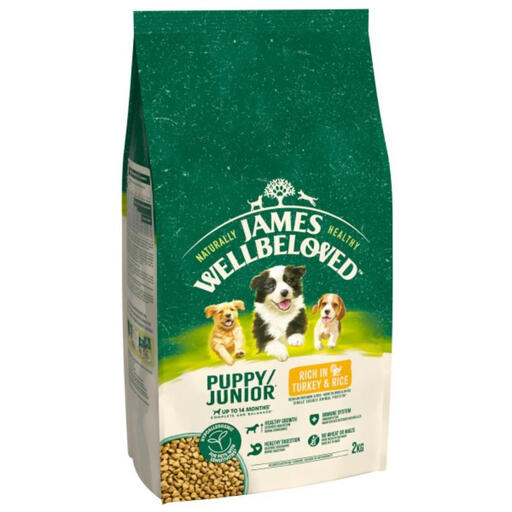
Why This Fits Their Persona: Perfect for those bringing a new puppy home, this formula is designed to be gentle. Its hypoallergenic nature, using a single protein source (turkey), minimises the risk of upsetting a young, developing digestive system.
It sidesteps the 'vague meat' pitfall by clearly using turkey as its single animal protein. It also avoids the 'natural but incomplete' trap by being a complete food specifically fortified for a puppy's growth needs, including calcium for bones.
Its key advantage is being a hypoallergenic dog food, reducing the risk of common food intolerances. The small kibble size is also perfectly designed for small puppy mouths.
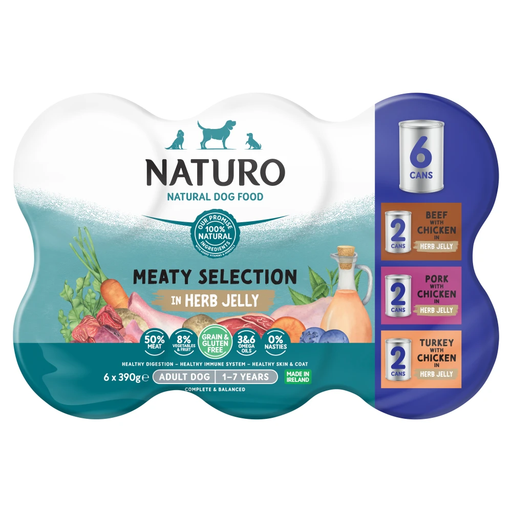
Why This Fits Their Persona: This is an ideal choice for owners who prioritise natural ingredients for a dog with a delicate stomach. Being a grain free dog food, it's suitable for dogs with specific dietary intolerances and the high meat content appeals to discerning pets and owners alike.
This food directly addresses the 'grain-free' question by providing a high-quality option for dogs that genuinely need it. It also avoids the 'natural but incomplete' issue by being a complete wet food enriched with vitamins, minerals and omega oils.
The primary advantage is its suitability for a dog with a sensitive stomach, thanks to its grain-free and gluten-free recipe. The variety pack with three different flavours also helps keep mealtimes interesting for fussy eaters.
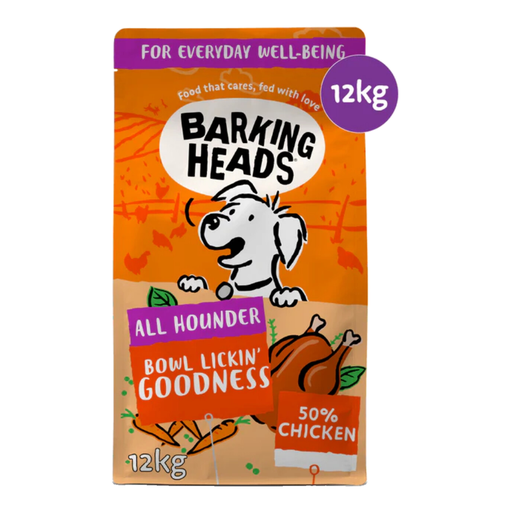
Why This Fits Their Persona: For owners of energetic adult dogs, this provides a high-protein, energy-dense diet in a cost-effective bulk dog food format. The 12kg bag offers great value and the recipe is designed to support an active lifestyle without unnecessary fillers.
It avoids the 'misleading meat' trap by specifying a high 50% chicken content, including freshly prepared free-run chicken. The formula also includes slow-release carbohydrates like rice and oats, providing sustained energy.
Its high protein content (26%) from quality chicken supports muscle maintenance and vitality. Being a UK made dog food, it also appeals to owners who prefer to buy locally produced goods.
We have compiled a complete, real-time list of products that fully satisfy these strict selection criteria and UK safety regulations.
To avoid digestive upset, transition your dog to a new food gradually over 7-10 days. Start by mixing a small amount of the new food (around 25%) with their old food (75%). Every couple of days, increase the proportion of the new food while decreasing the old until you are feeding 100% of the new diet.
There is no single correct answer, as both have their benefits. Dry food is convenient and good for dental health, while wet food is great for hydration and palatability. The ideal choice depends on your dog's health, preferences and your lifestyle. A combination of both can offer a balanced and appealing diet.
Feeding guides on the packaging are a starting point, but they are just guides. The right amount depends on your dog's age, breed, metabolism and activity level. The best way to judge is by monitoring their body condition. You should be able to feel their ribs with a light touch but not see them. They should have a visible waist when viewed from above. If you are concerned, your vet can help you assess your dog's ideal weight.