
24/7 Customer Support

Free returns

Same-day & Next-day Delivery

Quality Guaranteed

Unlock Your Welcome Offers: FREE Delivery | Up to 80% OFF | Free 30-day JoyPlus trial
Download the APP
Effective dog training relies on clear communication, patience and positive reinforcement. A crucial part of that reinforcement is the reward, and for most dogs, nothing is more motivating than a delicious treat. However, navigating the crowded market of dog training treats can be a challenge. With so many options, how do you choose one that is not only motivating but also healthy and suitable for your dog's specific needs?
Whether you are house-training a new puppy, teaching an old dog new tricks or managing a diet for a dog with a sensitive stomach, the right treat makes all the difference. This guide is designed to help you understand what to look for in a quality training treat and to highlight some noteworthy options available in the UK.
As the Joybuy Product Recommendation Officer, my role is to help you make informed choices by presenting clear, objective information on products that meet specific criteria for quality and purpose.
Before we look at specific products, let's cover a few key factors to consider during your search. Making a thoughtful choice can support both your training goals and your dog's long-term health.
The quality of a treat is determined by its ingredients. Look for a short, understandable list that features whole foods. High-quality natural dog treats UK will typically list a recognisable protein source (like chicken, duck or fish) or wholesome vegetables as the first ingredient. It is often a good idea to avoid products with vague terms like "meat and animal derivatives," artificial colours, flavours or excessive fillers like corn or wheat, especially if you are looking for grain free dog treats for a sensitive pet.
Every dog is an individual. A bouncy puppy has different dietary requirements than a senior dog or one with a health condition.
For training, you need a treat that can be given repeatedly without overfeeding. The ideal training treat is small, soft and quick to eat. This allows you to reward your dog instantly without breaking the flow of the training session. Easily breakable treats also offer great flexibility for portion control. For active dogs or those building muscle, high protein dog treats can be a beneficial choice, providing a functional reward that supports their physical needs.
Based on their ingredients, formulation and suitability for specific training purposes, here are a few recommendations to consider.
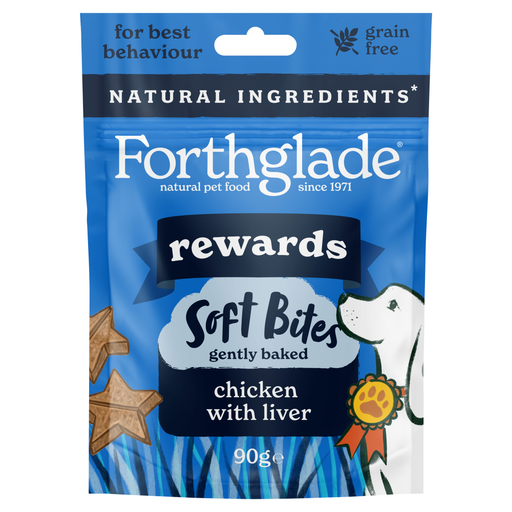
Why It Stands Out: Made in Devon, these Forthglade treats are specifically designed for training. The recipe leads with a high chicken content (34%), making them highly palatable and motivating for most dogs. The grain-free formula is gentle on digestion, and the soft-bite texture means they can be broken into smaller pieces for puppies or smaller breeds, making them a versatile option for daily rewards.
Pros:
Who is it for: A great option for owners of puppies or dogs with sensitive digestion looking for a high-value, meat-based reward.
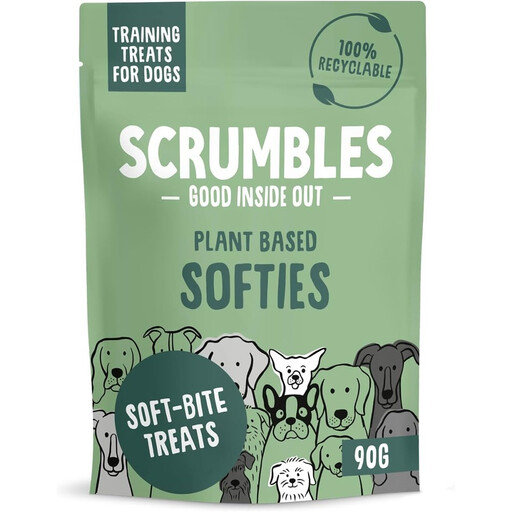
Why It Stands Out: For the eco-conscious pet owner or dogs with specific dietary restrictions, these Scrumbles Softies offer a thoughtful alternative. This is a 100% vegan dog treat recipe, baked to a soft texture that is easy for dogs of all ages to enjoy. The formula is naturally low in fat, making it a suitable choice for dogs needing a fat-restricted diet. The brand also focuses on sustainability, with the treats served in a compostable bag.
Pros:
Who is it for: Owners looking for a plant-based, hypoallergenic or low-fat treat and for those who prioritise environmentally friendly products.
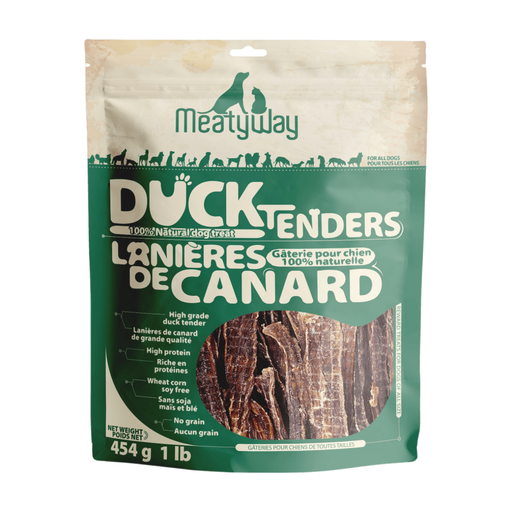
Why It Stands Out: Simplicity is the key feature of MeatyWay's Duck Tenders. Made with 100% real duck breast and nothing else, these treats are a pure, high-protein option. The jerky texture provides a satisfying chew that can also help with dental hygiene. Because they contain a single protein source, they are an excellent choice for dogs with allergies to more common proteins like chicken or beef. They can be easily torn into smaller pieces for training purposes.
Pros:
Who is it for: Ideal for owners who want a simple, pure and high-protein reward, especially for dogs with food sensitivities or allergies.
The products highlighted here are just a starting point. Every dog's preferences and dietary needs are unique, and finding the perfect reward might involve trying a few different types. If you would like to see a wider selection, there are many other excellent choices available.
Explore our full range of training dog treats to find the perfect match for your companion.
A widely accepted guideline is the 10% rule: treats should make up no more than 10% of your dog's total daily calorie intake. This prevents unbalancing their diet and avoids weight gain. Always check the feeding guide on the treat packaging and remember to adjust your dog's main meals accordingly, especially during intensive training periods.
Not necessarily for every dog. Grain free dog treats are essential for dogs with a diagnosed grain allergy or sensitivity. For these dogs, they prevent digestive upset and skin irritation. However, if your dog tolerates grains well, a treat containing high-quality, whole grains can still be a perfectly healthy option. The most important factor is the overall quality and digestibility of the ingredients.
While you can, it is often not ideal. Standard dog biscuits are typically larger, harder and more calorie-dense than treats designed for training. During a training session, you want to reward your dog quickly and frequently. Small, soft training treats can be eaten in a second, allowing you to maintain focus, whereas a large biscuit can be distracting and too filling.