
24/7 Customer Support

Free returns

Same-day & Next-day Delivery

Quality Guaranteed

Unlock Your Welcome Offers: FREE Delivery | Up to 80% OFF | Free 30-day JoyPlus trial
Download the APP
As a dog owner in the UK, using positive reinforcement is a rewarding way to train your companion. The key to this method is finding the right high-value reward. However, the market for dog training treats is flooded with options, and it's easy to fall into common purchasing traps that waste money and, more importantly, might not be suitable for your dog.
My role as a Joybuy Product Recommendation Officer is to help you navigate this landscape. Let's look past the flashy packaging and identify what truly matters, starting with the pitfalls to avoid.
To ensure you're buying a product that aids training and supports your dog's well-being, focus on these three core factors.
Always read the composition list. Look for treats where a specific, high-quality protein source (e.g., "Chicken 70%") is the first ingredient. This is a strong indicator of a quality product. For dogs with sensitivities, options labelled as grain free dog treats or hypoallergenic dog treats are often a sensible choice, as they omit common allergens like wheat, corn and soy. Simple, limited-ingredient recipes reduce the risk of digestive upset.
For training, soft dog treats are often the most practical choice. They can be consumed quickly, allowing you to maintain your dog's focus without a lengthy chewing break. They are also easier to break into smaller pieces, which is essential for managing calorie intake and for use as puppy training treats. The goal is a quick, high-value taste, not a meal.
Since training involves frequent rewarding, the nutritional content matters. Opt for low fat dog treats to avoid unnecessary calories, especially for dogs on a weight management plan. High protein is beneficial for active dogs, and a good example is chicken jerky for dogs, which is often just pure meat. Check for the absence of added sugars and artificial colours or flavours.
Based on these practical criteria, here are some recommendations matched to different owner needs.
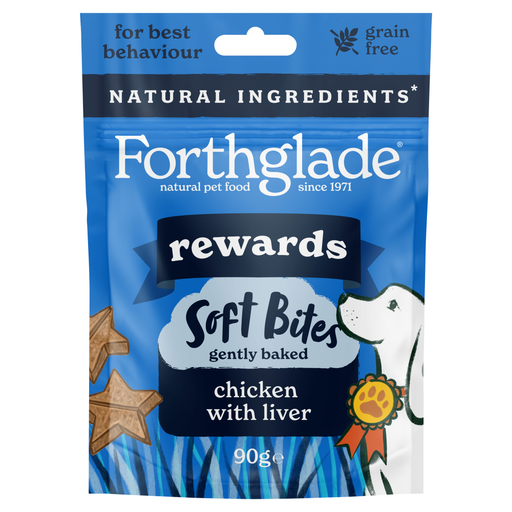
Why This Fits Their Persona: Ideal for those starting their training journey with a young dog. The formula is suitable for puppies from two months old, and the small, soft texture is perfect for tiny mouths and rapid rewarding without the risk of choking.
It directly counters the texture and size pitfall. The soft-bite texture is designed for quick consumption, and the treats can be easily broken in half for even smaller rewards, keeping training sessions fluid.
The grain-free recipe is gentle on sensitive puppy tummies, and the high chicken content makes it a palatable and motivating reward.
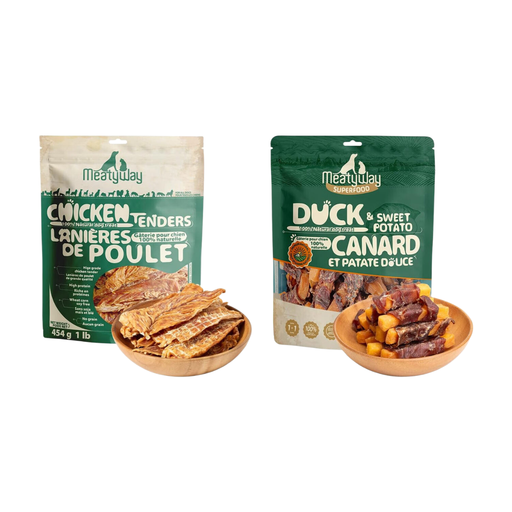
Why This Fits Their Persona: This is for the owner who scrutinises every ingredient. With real meat wrapped around sweet potato, the recipe is simple, transparent and packed with natural nutrients rather than fillers.
It avoids the "natural" label trap by having a minimal, recognisable ingredient list. There are no vague derivatives or artificial additives, just real chicken, duck and vegetables.
These are high-protein, low-fat and hypoallergenic, making them suitable for dogs with dietary sensitivities. The soft jerky texture is highly motivating and easy to break for training.
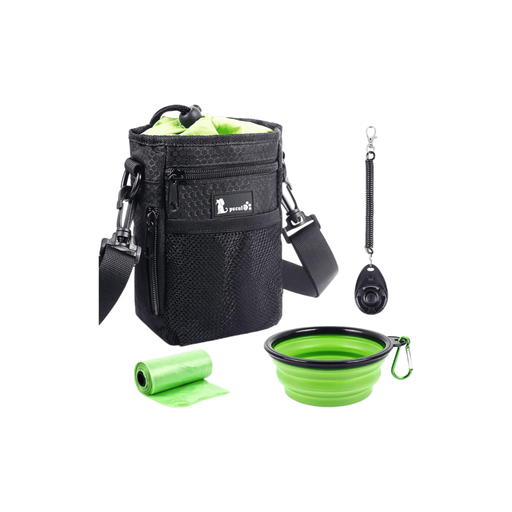
Why This Fits Their Persona: For owners who train during walks or in classes, fumbling with a plastic bag of treats is impractical. A dedicated dog treat pouch keeps rewards accessible, protects them from the British weather and leaves your hands free for lead and clicker work.
This accessory solves the practical problem of keeping treats fresh and ready. It prevents soft treats from drying out or getting soggy, ensuring they remain high-value throughout your walk or training session.
Its waterproof fabric and multiple pockets offer excellent organisation. The built-in poo bag dispenser and multiple ways to wear it (waist, shoulder or clipped on) add significant practical value.
We have compiled a complete, real-time list of products that fully satisfy these strict selection criteria and UK safety regulations.
A widely accepted guideline is that treats should not make up more than 10% of your dog's daily calorie intake. If you are having an intensive training day, consider reducing the size of their main meals slightly to maintain a healthy weight. Breaking larger treats into smaller pieces is an excellent way to deliver more rewards without overfeeding.
Not necessarily for every dog, but they are a very safe starting point. Many dogs digest grains perfectly well. However, grains like wheat and corn are common allergens, and a grain-free diet can be beneficial for dogs with sensitive stomachs, itchy skin or known food intolerances. If you are unsure, a grain free dog treat is often a prudent choice.
Keeping treats in your pocket often results in crumbs and greasy residue. A purpose-built dog treat pouch is the most efficient solution. Look for one made from waterproof or easy-to-clean material with a secure closure to keep treats fresh and prevent spills. This allows for quick, one-handed access, which is crucial for rewarding good behaviour the moment it happens.