
24/7 Customer Support

Free returns

Same-day & Next-day Delivery

Quality Guaranteed

Unlock Your Welcome Offers: FREE Delivery | Up to 80% OFF | Free 30-day JoyPlus trial
Download the APP
Choosing the right treat for your dog can feel overwhelming. The aisles are filled with countless options, all promising to be the one your companion will love. As a UK dog owner, you're likely looking for more than just a tasty morsel; you want something that supports their health, helps with training or simply provides a safe and enjoyable reward.
This guide is designed to help you navigate the market with confidence. We'll break down what to look for when selecting dog treats, offer practical advice for different needs and highlight a few options that cater to specific purposes, from dental care to training rewards.
Before you buy, considering a few key factors can ensure you're making a good choice for your dog's well-being.
The foundation of any good treat is its ingredients. Look for a short, understandable list. Natural dog treats with single-protein sources like chicken, beef or fish are often a good starting point, especially for dogs with sensitive stomachs. Be mindful of fillers like corn or wheat, and try to avoid products with added sugars, artificial colours or preservatives. For dogs with specific dietary needs, options like grain free dog treats can be particularly beneficial.
Not all treats serve the same function. Consider why you are giving your dog a treat:
A treat that's perfect for a Great Dane could be a hazard for a Chihuahua. Always choose treats appropriate for your dog's size to prevent choking. Puppies have different nutritional needs and more delicate teeth than adult dogs, while senior dogs may require softer, low fat dog treats that are easier to chew and digest.
Here are a few recommendations that address common needs for dog owners across the UK.
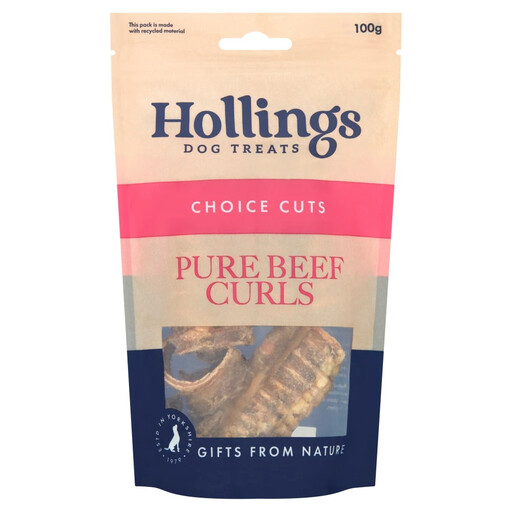
Why It Stands Out: These treats are about as simple as it gets, which is their main strength. Made from 100% beef trachea and air-dried to lock in flavour, they offer a straightforward, high-protein snack. They are also a natural source of glucosamine and chondroitin, which are known to support joint health.
Pros:
Who is it for? Dog owners seeking a pure, natural dog treat for their adult dog. It's a great choice for those who prioritise simple, recognisable ingredients and want to provide a satisfying chew that also contributes to joint support. Note that these are not suitable for puppies or elderly dogs with poor dental health.
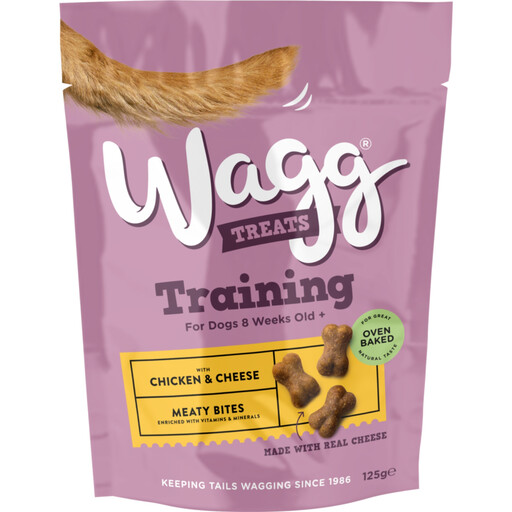
Why It Stands Out: Designed specifically for training, these small, bone-shaped treats are perfect for positive reinforcement. They are oven-baked, which gives them a palatable texture, and are suitable for dogs from just 8 weeks old, making them excellent puppy training treats.
Pros:
Who is it for? Owners of puppies or adult dogs who are actively engaged in training. If you need a convenient, motivating and affordable reward to keep in your pocket on walks or during training classes, this is a practical option.

Why It Stands Out: These are one of the most recognisable dog dental chews on the market. Their unique X-shape is designed to clean teeth and reduce plaque at the gumline. According to the brand's own research, daily use can reduce tartar build-up by up to 80%. They are also a low fat dog treat with no added sugar.
Pros:
Who is it for? Owners of medium-sized dogs (from 4 months old) who want to incorporate a simple, daily step into their dog's dental care routine. It's a convenient way to help maintain oral health between professional cleanings.
While these selections cover common needs, every dog is an individual. If you're searching for a longer-lasting chew or something different for your powerful chewer, you may find what you're looking for in our wider collection.
Explore our full range of hard dog treats to find the perfect match for your companion.
A widely accepted guideline is the 10% rule: treats should not make up more than 10% of your dog's total daily calorie intake. Always check the feeding guide on the product packaging for specific advice. When you give treats, it's good practice to slightly reduce the portion of their main meal to help maintain a healthy weight.
Grain free dog treats are essential for dogs with a diagnosed grain allergy or sensitivity. For other dogs, grains are not inherently bad and can be a source of nutrients. The most important factor is the overall quality of the ingredients. If you suspect your dog has a food sensitivity, it is always best to consult with your vet.
Look for treats with a simple, clear ingredient list featuring whole foods like meat or vegetables. Avoid products with vague terms like "meat and animal derivatives" if you want to know exactly what you're feeding. The absence of added sugars, artificial colours, flavours and excessive fillers is also a good indicator of a more health-conscious product.