
24/7 Customer Support

Free returns

Same-day & Next-day Delivery

Quality Guaranteed

Unlock Your Welcome Offers: FREE Delivery | Up to 80% OFF | Free 30-day JoyPlus trial
Download the APP
As a dog owner, finding the perfect treat for your companion can feel like navigating a maze. The shelves are filled with countless options, each promising to be the one your dog will love. You want something tasty that gets their tail wagging, but also something that aligns with their dietary needs and your values.
This guide is designed to help you make a more informed choice. We will walk through the key factors to consider when selecting a treat and share some of our top recommendations that cater to a variety of preferences and requirements, from high-meat rewards to plant-based options.
Before jumping to specific products, let's cover a few practical tips to help you analyse your options. Understanding these points will make you more confident in choosing what’s right for your dog.
The texture of a treat often dictates its best use.
The composition list on the packaging is your most reliable source of information. In the UK, ingredients must be listed in descending order by weight. Look for clear, recognisable ingredients at the top of the list. If you are seeking natural dog treats, you will want to see named meat sources (like duck or chicken) or vegetables, rather than vague terms like "meat and animal derivatives". For dogs with sensitivities, looking for grain-free or hypoallergenic dog treats with limited ingredients can be beneficial.
Every dog is an individual. A young, active spaniel has different dietary needs than an older, less mobile terrier. Consider your dog's specific circumstances:
Here are a few standout options available on Joybuy, selected to meet a range of different needs and preferences.
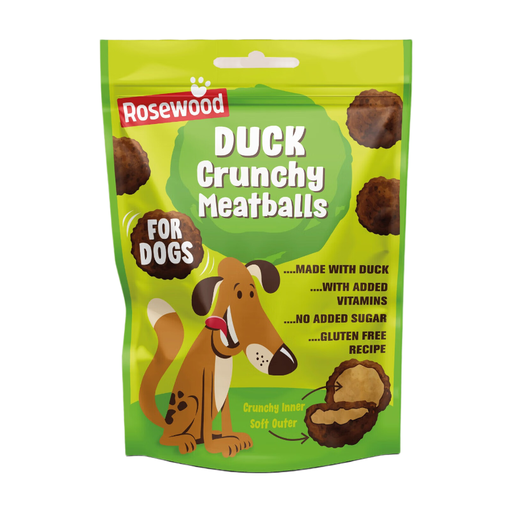
Why It Stands Out: These treats offer a unique dual-texture experience—a crunchy interior with a softer, meaty exterior. This combination can be particularly engaging for dogs who enjoy varied textures in their snacks.
The primary ingredient is 100% real duck, providing a high-value, meaty flavour that is often very motivating for dogs. Being gluten-free, they are also a suitable option for dogs with specific grain sensitivities.
Pros:
Who is it for? Dog owners looking for a high-quality, meaty reward with an engaging texture. It's a great all-rounder for adult dogs without poultry allergies, serving well as both a special reward and a training incentive.
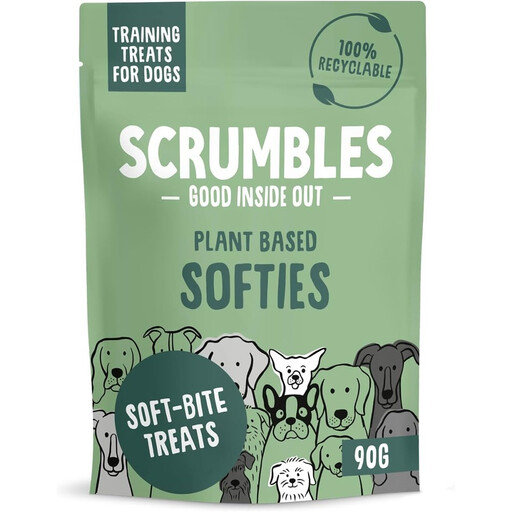
Why It Stands Out: These treats are entirely plant-based, making them a noteworthy choice for eco-conscious owners or dogs with allergies to common animal proteins. The soft, gently baked texture is another key feature.
Made with ingredients like oats, peas and sweet potato, these soft dog treats are easy to chew and digest. This makes them particularly well-suited for puppies from 8 weeks of age, senior dogs, or those with dental issues. The packaging is also compostable, reflecting a commitment to sustainability.
Pros:
Who is it for? Owners seeking healthy dog treats for training, especially for puppies or senior dogs. They are also an excellent choice for households with vegetarian values or for dogs requiring a plant-based diet due to sensitivities.
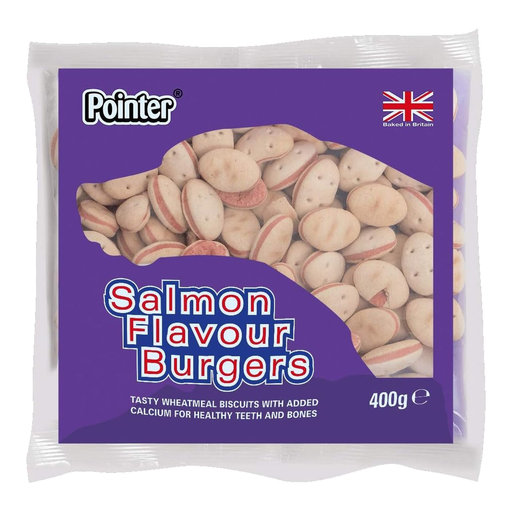
Why It Stands Out: These are classic crunchy dog biscuits with a modern twist. Oven-baked in Britain, they have a satisfyingly crisp texture and are infused with a salmon flavour that offers a change from the usual chicken or beef.
A key benefit is the addition of calcium, which contributes to maintaining healthy teeth and bones. The recipe is straightforward, with no added artificial flavours, making it a simple and wholesome snack.
Pros:
Who is it for? Those who prefer a traditional, crunchy biscuit for their dog. The burger shape and salmon flavour make it a fun and rewarding snack, and the added calcium is a practical benefit for owners mindful of their dog's structural health.
The products highlighted here offer a glimpse into the variety available. If your dog is particularly motivated by rich, savoury flavours, or you're looking for more high-protein options for training and rewards, there are many more choices to explore.
Discover a wider selection of high-quality, protein-rich snacks in our full collection.
? Explore More Meaty Treats for Dogs
Most vets and manufacturers recommend that treats should make up no more than 10% of your dog's daily calorie intake. Always check the feeding guide on the product packaging, as the recommended amount will vary based on the treat's size and calorie content, as well as your dog's size, age and activity level.
Healthy dog treats are typically those made with simple, high-quality ingredients and without excessive fillers, artificial colours or flavours. Look for treats with a clear protein or vegetable source. The "healthiest" treat is one that suits your dog's individual dietary needs, whether that's a low-fat, grain-free or single-protein option.
Yes, puppies can have treats, but it's important to choose the right kind. Look for treats specifically formulated for puppies, which are usually smaller and softer to suit their developing teeth and digestive systems. Puppy treats are also great for early training and socialisation. Always introduce new treats gradually and ensure they are suitable for your puppy's age (e.g., "from 8 weeks").