
24/7 Customer Support

Free returns

Same-day & Next-day Delivery

Quality Guaranteed

Unlock Your Welcome Offers: FREE Delivery | Up to 80% OFF | Free 30-day JoyPlus trial
Download the APP
Creating a genuine cinema experience at home has become more accessible than ever, but navigating the world of high-end audio can be a minefield of technical jargon and marketing hype. You are looking for a Dolby Atmos soundbar with rear speakers because you want true, immersive sound that fills your room, not a weak imitation. Yet, many find themselves disappointed with a purchase that promised the world but delivered a cluttered, underwhelming reality.
As a Joybuy Product Recommendation Officer, my role is to help you sidestep these common pitfalls. Before you invest in a new home cinema sound system, let’s look at the frequent traps that catch out UK buyers and how to avoid them.
To ensure your new soundbar delivers a truly cinematic experience, focus on these non-negotiable technical specifications.
When you see a number like 9.1.4, it is a simple code for the speaker layout:
For a true Dolby Atmos experience, you need those height channels. A system with at least two, and ideally four, will provide the most convincing three-dimensional sound bubble.
To get uncompressed, high-fidelity audio from your TV to your soundbar, you need a specific connection: HDMI eARC (Enhanced Audio Return Channel). Unlike the older ARC standard, eARC has the high bandwidth required to transmit complex formats like Dolby Atmos without compression. When looking for a new system, ensuring it is an eARC soundbar is essential for unlocking its full potential. This single-cable solution also simplifies your setup and often allows you to control the soundbar's volume with your TV remote.
The thought of running speaker wires around a living room is enough to put many people off a full surround system. This is where modern systems excel. A wireless Dolby Atmos setup means the main soundbar connects to your TV, while the subwoofer and rear speakers connect wirelessly to the soundbar. They still require power from a wall socket, but you are free from the clutter of long audio cables. Furthermore, look for brand-specific integration features like Q-Symphony, which allows a compatible Samsung flagship soundbar to synchronise with the TV's own speakers, creating an even larger and more immersive front soundstage.
Based on these critical factors, here are our recommendations matched to different home cinema enthusiasts.
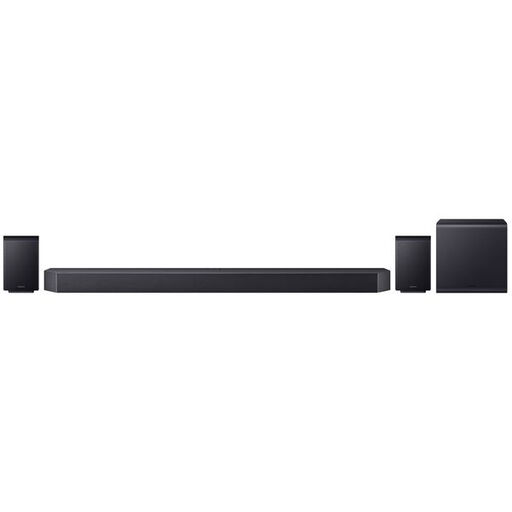
Why This Fits Their Persona: This is for the person who wants an uncompromising, all-in-one home cinema solution. They seek the highest channel count and most immersive experience possible for their premium 4K TV, without the complexity of a traditional AV receiver and component system.
It completely bypasses the "virtual surround" trap by providing a true 11.1.4 soundbar system with dedicated, up-firing wireless rear speakers. This is not an illusion; it is a physical dome of sound.
The massive 22-speaker array creates an incredibly detailed and powerful sound field. Its SpaceFit Sound Pro feature automatically calibrates the audio to your specific room acoustics for optimal performance.
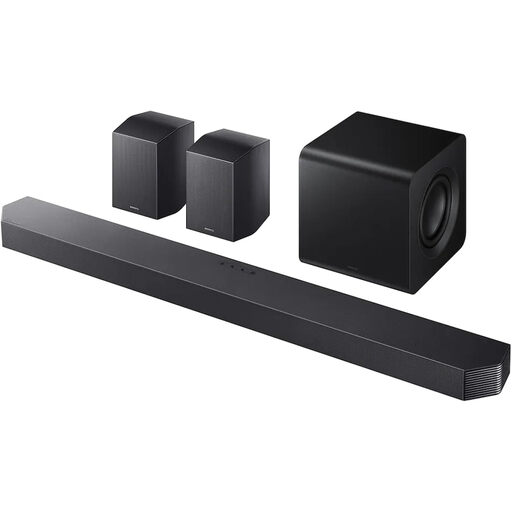
Why This Fits Their Persona: This is ideal for a Samsung TV owner who values seamless integration. They want a high-performance Dolby Atmos system that works in perfect harmony with their television, using features like Q-Symphony to enhance the overall audio experience.
It avoids the channel count myth by offering a powerful and well-balanced 9.1.4 channel setup. This is more than sufficient for creating a deeply immersive experience in most UK living rooms, proving quality implementation matters.
The standout feature is Q-Symphony, which combines the soundbar and compatible Samsung TV speakers for a wider, taller soundstage. It still includes Wireless Dolby Atmos and SpaceFit Sound Pro for a complete, calibrated package.
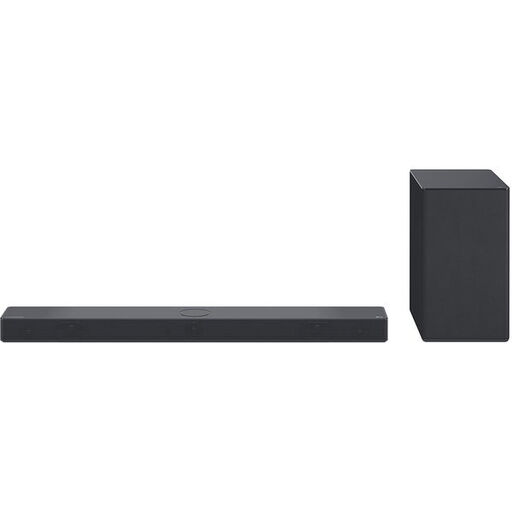
Why This Fits Their Persona: This is for the owner of a compatible LG OLED C Series TV who values a clean, unified aesthetic. They want a significant Dolby Atmos upgrade but prefer a minimalist setup without separate rear speakers, prioritising design synergy.
This system is transparent about its configuration. It does not include rear speakers, instead focusing on its innovative Triple Up-Firing Channels to create an expansive soundstage from the front, avoiding the false promise of "virtual" rears.
Its exclusive TV synergy bracket creates a flawless, integrated look with specific LG TVs. The WOW Orchestra feature, similar to Q-Symphony, uses the TV and soundbar speakers together for a more powerful audio experience.
We have compiled a complete, real-time list of products that fully satisfy these strict selection criteria and UK safety regulations.
While soundbars without rear speakers can use processing to simulate surround sound, it is not the same as having physical speakers placed behind you. For the most authentic and immersive experience—where you can hear effects like footsteps or whispers coming from over your shoulder—a system with dedicated rear speakers is highly recommended. They are essential for completing the 360-degree sound bubble that Dolby Atmos is designed to create.
Modern wireless systems are designed for simplicity. Typically, the setup involves three steps:
For those serious about creating a high-quality home cinema, the investment can be well worth it. Premium systems justify their cost with a higher number of dedicated speaker drivers for more precise sound placement, advanced room calibration technology (like SpaceFit Sound Pro) that tunes the audio to your specific environment, more powerful amplification and superior integration features that create a more seamless and impressive experience. They offer a significant step up from entry-level models in both power and audio fidelity.