
24/7 Customer Support

Free returns

Same-day & Next-day Delivery

Quality Guaranteed

Unlock Your Welcome Offers: FREE Delivery | Up to 80% OFF | Free 30-day JoyPlus trial
Download the APP
If you've ever tried to recreate the bold, complex flavours of authentic Sichuan cuisine at home, you'll know that one ingredient is simply non-negotiable: doubanjiang. Often called chilli bean sauce or spicy broad bean paste, this fermented condiment is the heart and soul of dishes like Mapo Tofu and Twice-Cooked Pork.
However, navigating the options available online and in shops can be confusing. With different brands, styles and names like 'toban djan', how do you choose the right one for your kitchen? This guide is designed to help UK home cooks cut through the clutter. We'll explain what to look for when you buy doubanjiang in the UK and share some of our top recommendations to help you bring that authentic Sichuan flavour to your dining table.
Before we get to our recommendations, here are a few practical tips to help you select the perfect spicy broad bean paste for your needs.
Many of the most highly regarded doubanjiang pastes come from Pixian (now Pidu District) in Sichuan province. Pixian doubanjiang is a protected geographical indication, meaning it must be produced in that specific region using traditional methods. This process involves a long fermentation of broad beans, which develops a deep, savoury and complex flavour that is difficult to replicate. While not essential, a paste from Pixian is often a sign of a traditional and high-quality product.
Authentic doubanjiang should have fermented broad beans (fava beans) high on its ingredients list. Some versions may also include soybeans, but broad beans are key to the classic taste. The colour is also a good indicator of its character. A deep, reddish-brown paste suggests a longer fermentation period and a richer, more umami-forward flavour. A brighter red paste, often labelled as 'red oil' doubanjiang (红油豆瓣), has had chilli oil added, which provides a more immediate spicy kick and a vibrant colour when fried.
Doubanjiang comes in various textures. Some pastes contain whole or roughly chopped fermented beans, offering a chunkier consistency that adds texture to dishes. Others are smoother, blending more seamlessly into sauces. The choice is a matter of personal preference and the specific dish you are preparing. For a classic mapo tofu sauce, a paste with some texture is often preferred.
Here are a few standout options available in the UK, each offering something slightly different for the home cook.
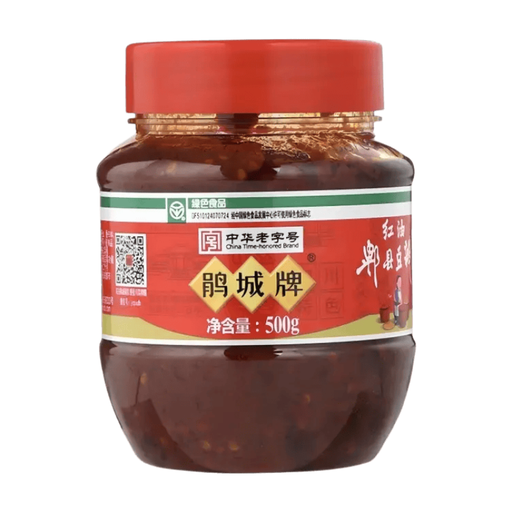
Why It Stands Out: This is a classic Pixian doubanjiang from a heritage brand. Its production method is even recognised as an intangible cultural heritage, highlighting its commitment to tradition. The addition of red oil gives it a brilliant colour and a rich sauce aroma that blooms beautifully when sautéed.
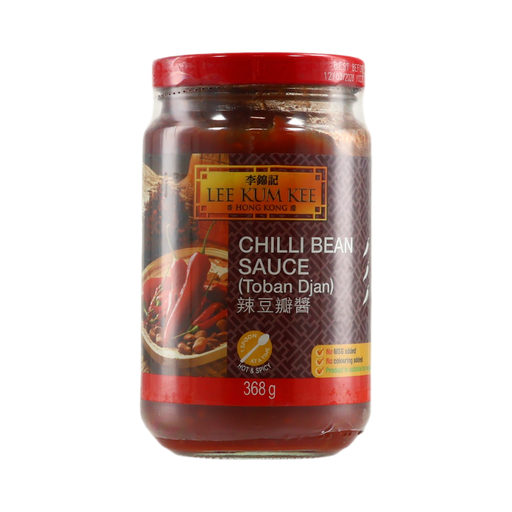
Why It Stands Out: Lee Kum Kee is a widely recognised and trusted brand, making its chilli bean sauce an accessible and reliable choice. This version, also known as toban djan, is a blend of fermented broad beans and soybeans, offering a savoury and spicy flavour profile that is versatile for both Sichuan and other regional Chinese dishes.
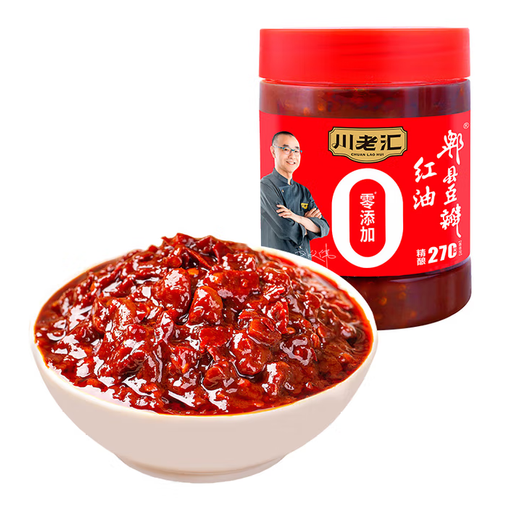
Why It Stands Out: This paste strikes a fine balance between a rich, mellow aroma and a moderate level of spiciness. Made with a high percentage of chilli (45%) and broad beans (25%), it delivers a robust flavour. Its versatility is a key feature, making it a great all-in-one Sichuan chilli paste for stir-frying, tossing with noodles or even as a base for a dipping sauce.
The world of fermented bean pastes is vast and flavourful. If our recommendations aren't quite what you're looking for, or if you're curious to explore other varieties, there are many more to discover.
? Explore our full range of [Chinese Cuisine Beans] to find your perfect match.
What is the difference between doubanjiang and gochujang? While both are fermented chilli pastes, they have distinct origins and flavour profiles. Doubanjiang is a Chinese paste made primarily from fermented broad beans, salt and chillies, giving it a salty, savoury (umami) and earthy flavour. Gochujang is a Korean paste made from glutinous rice, fermented soybeans and red chilli powder. It is typically sweeter and has a smoother consistency than most doubanjiang.
How should I store doubanjiang after opening? Once opened, doubanjiang should be stored in the refrigerator in a sealed container. The high salt content acts as a natural preservative, so it will last for many months. You may notice the colour darkens over time, which is a natural part of the oxidation process and does not mean it has gone bad.
Can I eat doubanjiang raw? Most doubanjiang is not intended for raw consumption. It is a potent seasoning base that needs to be cooked to release its full flavour and aroma. The standard method is to sauté a spoonful in oil over low to medium heat at the beginning of the cooking process before adding other ingredients. This step, known as 'frying the red oil' (炒出红油), is crucial for building flavour in Sichuan dishes.