A slow-draining sink, a gurgling plughole or an unpleasant odour wafting from your pipes—these are common household frustrations that can disrupt your day. With so many products on the market, from powerful chemical formulas to eco-friendly maintenance solutions, choosing the right one can feel overwhelming.
As the Joybuy Product Recommendation Officer, my role is to help you navigate these options. This guide will break down what to look for in a drain cleaner, explain the differences between key product types and offer some practical recommendations to help you tackle everything from a stubborn blockage to routine drain maintenance.
How to Choose the Right Drain Unblocker
Before you purchase, consider these points to ensure you select a product that is both effective and appropriate for your situation.
1. Identify the Problem: Blockage vs. Maintenance
Is your sink completely blocked, or is it just draining slowly and emitting a foul smell?
- For a full blockage, where water is stationary, you will likely need a powerful, fast-acting drain unblocker designed to dissolve tough clogs like hair and solidified grease.
- For slow drainage or odours, a preventative plughole cleaner or a regular drain maintenance product is a more suitable choice. These work over time to break down the gradual build-up that causes these issues, offering an effective smelly drain solution.
2. Understand the Product Type
Drain cleaning solutions generally fall into three categories:
- Chemical Cleaners: These often use potent ingredients like sodium hydroxide to quickly dissolve organic matter. They are highly effective for severe clogs but must be used with caution and strictly according to the instructions.
- Enzymatic Cleaners: A more eco-friendly drain cleaner option, these use natural bacteria and enzymes to eat away at organic waste like food, oil and soap scum. They are ideal for regular maintenance and preventing odours, though they work more slowly than their chemical counterparts.
- Physical Tools: Prevention is often better than a cure. A simple sink strainer mesh can stop food particles and hair from ever entering your pipes, significantly reducing the risk of future blockages.
3. Check for Safety and Pipe Compatibility
Always read the product label before use. Some powerful chemical cleaners may not be suitable for certain types of pipes (like old metal or certain plastics) or homes with septic systems. Using the wrong product can cause damage, so it is vital to confirm its suitability for your plumbing. Always wear appropriate protection, such as gloves and eye protection, when handling caustic formulas.
Top Drain Cleaner Recommendations
Here are a few carefully selected products designed to address different drain-related issues, from prevention to powerful unblocking.
For Regular Maintenance: Ecozone Enzymatic Drain Cleaning Sticks
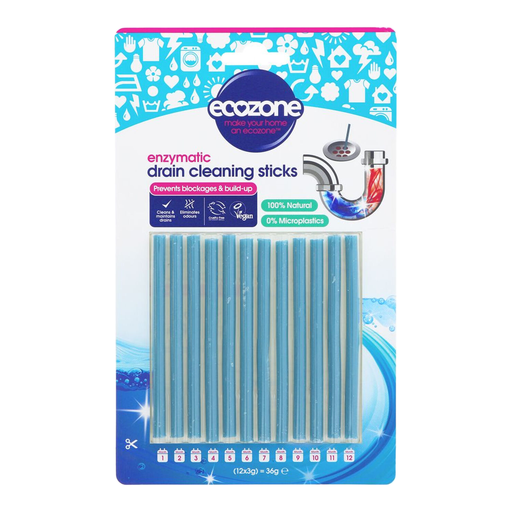
- Why It Stands Out: These sticks offer a simple, set-and-forget approach to drain care. Instead of reacting to a problem, they work proactively. By dropping one stick down the plughole each month, you introduce natural enzymes that continuously break down the grease, fat and soap scum that lead to slow drains and bad smells.
- Pros:
- Provides continuous, year-round maintenance with a 12-month supply.
- Uses non-pathogenic bacterial cultures for a gentler approach.
- Fragrance-free and has been approved by Allergy UK.
- Helps prevent blockages before they start.
- Who is it for: Anyone looking for an easy and effective eco-friendly drain cleaner for preventative drain maintenance. It is particularly well-suited for households wanting to manage kitchen and bathroom drains without resorting to harsh chemicals.
For Tough Blockages: Mr Muscle Sink & Drain Unblocker Foam
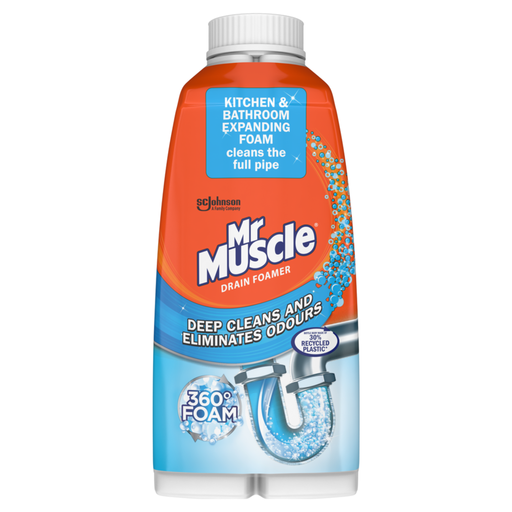
- Why It Stands Out: When faced with a stubborn clog, you need a powerful solution. This product’s dual-liquid formula activates on contact to create a dense, expanding foam. Unlike standard liquids that may only run along the bottom of the pipe, this foam expands to fill the entire diameter, cleaning the pipe walls and attacking the blockage from all angles.
- Pros:
- Powerful foaming action provides a thorough clean of the entire pipe.
- Formulated to effectively dissolve tough clogs, including hair and grime.
- Works to clear blockages and eliminate the odours they cause.
- Acts in approximately one hour.
- Who is it for: Those who need an immediate and powerful sink unblocker for a heavily congested or completely blocked drain in the kitchen or bathroom.
For Everyday Prevention: Maxcook Filter Nets
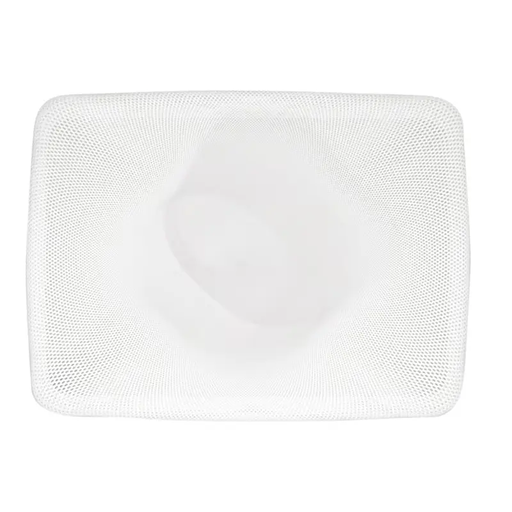
- Why It Stands Out: This product is the first line of defence in the battle against blockages. These disposable mesh nets fit over your plughole to physically catch food scraps, coffee grounds and other debris before they can be washed down the drain and cause a build-up.
- Pros:
- Physically stops debris from entering and clogging your pipes.
- Disposable design makes for a quick, simple and hygienic cleanup.
- An affordable and highly effective preventative measure.
- Helps maintain a cleaner sink environment and prevents odours from trapped food.
- Who is it for: Every household, especially for use in the kitchen sink. It is an essential tool for anyone who wants to minimise the risk of clogs and make daily cleanup easier.
Looking for More Options?
If these specific products don't quite match what you're looking for, or if you're dealing with a particularly tricky bathroom sink blockage, we have a wider selection available. Finding the right tool is key to keeping your home's plumbing in top condition.
Explore our full range of drain and bathroom sink blocker solutions to find the perfect fit for your home.
Frequently Asked Questions About Drain Cleaners
How often should I use a drain cleaner?
This depends entirely on the product. Powerful chemical unblockers should only be used as needed to clear an existing blockage. For ongoing drain maintenance, enzymatic products like the Ecozone sticks are designed for monthly use. Preventative measures, such as using a sink strainer mesh, are part of a daily routine.
Not always. It is crucial to read the product label carefully. Some strong formulas may not be suitable for older metal pipes, certain plastics or homes with septic tanks. Always check the manufacturer's instructions to ensure compatibility and avoid causing damage to your plumbing.
What is the most common cause of a blocked sink?
The cause often depends on the location. In kitchens, blockages are typically caused by a build-up of fats, oils, grease (FOGs) and food particles. In bathrooms, the primary culprit is usually a combination of hair and soap scum. Understanding how to unblock a sink often starts with identifying the likely cause of the clog.


