
24/7 Customer Support

Free returns

Same-day & Next-day Delivery

Quality Guaranteed

Unlock Your Welcome Offers: FREE Delivery | Up to 80% OFF | Free 30-day JoyPlus trial
Download the APP
There are few household annoyances more frustrating than a slow-draining sink or a completely blocked plughole. The standing water, the unpleasant odours and the disruption to your daily routine can be a real headache. Before you consider the expense and inconvenience of calling out a plumber, a suitable drain unblocker can often provide a fast and effective solution.
As a Joybuy Product Recommendation Officer, my role is to help you navigate the options available. This guide is designed to provide practical advice on choosing the right product for your specific problem, whether you're dealing with a stubborn kitchen blockage or a hair-clogged shower drain. We'll look at different types of drain cleaners and highlight a few standout products to help get your pipes flowing freely again.
With various formulas on the market, selecting the correct one is key to success. Here are a few points to consider before making a purchase.
The type of clog often dictates the most effective solution. Kitchen sinks are typically blocked by a build-up of grease, fat and food particles. Bathroom drains, on the other hand, are usually clogged with a combination of hair and soap scum. A heavy duty drain unblocker with a formula designed to dissolve grease may be ideal for the kitchen, while a specialised drain cleaner for hair is better suited for the bathroom plughole.
Drain cleaners come in several forms, each with its own method of action:
Always read the product label to ensure it is safe for your type of plumbing (e.g., plastic or metal pipes) and your home's waste system. Harsh chemical cleaners may not be suitable for older, more fragile pipes or for properties with a septic tank. If you are unsure, an enzyme-based formula is generally a safer starting point.
Based on their features and intended use, here are some effective options for clearing a blocked drain.
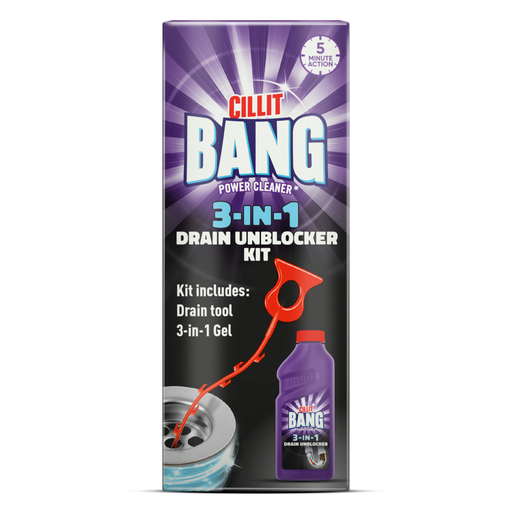
Why It Stands Out: This product offers a unique two-step approach by combining a physical tool with a chemical gel. The flexible tool is designed to be inserted into the drain first to manually loosen and pierce the solid parts of a blockage, such as matted hair or food debris. The fast-acting gel is then poured in to dissolve what remains.
Pros:
Who is it for?: This kit is an excellent choice for those dealing with a significant, solid blockage where a liquid-only solution might not be enough. The physical tool provides an immediate first-line attack on stubborn clogs.
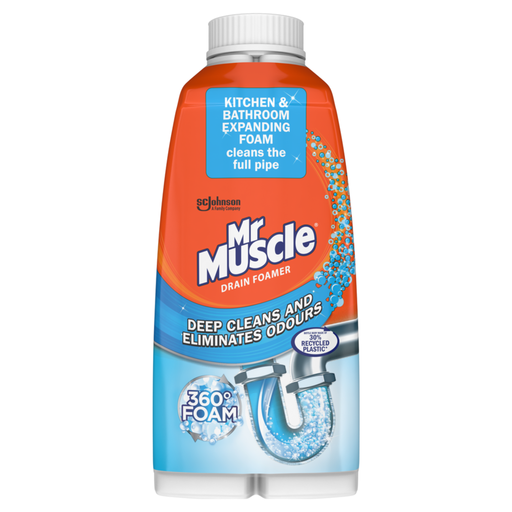
Why It Stands Out: This sink unblocker uses a dual-liquid formula that combines to create a powerful expanding foam. The foam fills the entire pipe, cleaning the walls and removing the build-up that causes unpleasant odours, rather than just clearing the central blockage. According to the manufacturer, it is 10 times more effective at removing hair than using baking soda and vinegar.
Pros:
Who is it for?: Ideal for anyone experiencing not just a blockage but also persistent bad smells from their drains. Its pipe-coating action makes it a great option for preventative maintenance to keep drains clean and fresh.
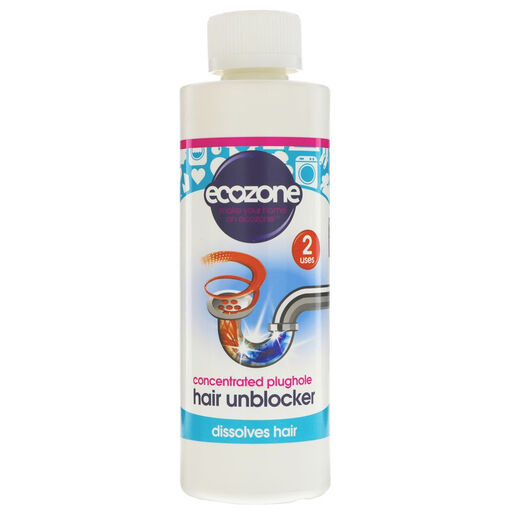
Why It Stands Out: This plughole unblocker uses an advanced, enzyme-based formula to digest organic matter like hair, soap and grease. It is a non-toxic and non-corrosive solution, making it safe for all types of plumbing and aquatic life. As it works without harsh chemicals, it's a responsible choice for any household.
Pros:
Who is it for?: This is the perfect product for environmentally-conscious households, those with septic systems or anyone who prefers to avoid using harsh chemicals. It's particularly effective for bathroom blockages when left to work overnight.
Once your drains are flowing freely, you might feel inspired to tackle other small home improvement projects. Upgrading fixtures and fittings can make a surprising difference to your home's overall feel.
If you're looking to refresh your space, you can browse our selection of stylish lever doors to give your rooms a modern and functional update.
Q1: Can a chemical drain unblocker damage my pipes? Most commercially available drain unblockers are formulated to be safe for standard household plumbing, including plastic and metal pipes, when used according to the instructions. However, it is always critical to read the product label carefully. Avoid using heavy-duty chemical cleaners on very old or damaged pipes. If in doubt, an enzyme-based cleaner is a gentler alternative.
Q2: What is the difference between a chemical and an enzyme drain cleaner? A chemical blocked drain cleaner typically uses strong alkaline or acidic ingredients (like sodium hydroxide) to rapidly dissolve clogs. They are very fast and powerful. An enzyme drain cleaner uses natural bacteria and enzymes to slowly digest organic waste like hair and grease. While they take longer to work (often overnight), they are non-corrosive and a more environmentally friendly option.
Q3: How often should I use a drain cleaner for maintenance? Using a drain cleaner regularly can prevent build-up and stop major blockages from forming. For preventative maintenance, using a product like a foaming cleaner or an enzyme-based formula once a month is a good practice. This helps keep pipes clear and odours at bay, saving you from dealing with a complete blockage down the line.