
24/7 Customer Support

Free returns

Same-day & Next-day Delivery

Quality Guaranteed
Download the APP
Categories
That slow gurgle from the plughole, the water pooling around your feet in the shower, or the kitchen sink that refuses to empty—a blocked drain is a household problem that demands a swift solution. With so many products on the market, from heavy-duty gels to eco-friendly formulas, choosing the right one can feel overwhelming.
As a Joybuy Product Recommendation Officer, my role is to help you navigate the options. This guide cuts through the marketing jargon to provide clear, practical advice on selecting an effective drain unblocker for your specific needs, helping you restore flow to your pipes quickly and safely.
Before you grab the first bottle you see, consider a few key factors. Understanding your blockage and your plumbing system is the first step in learning how to unblock a drain effectively.
The cause of the clog often determines the best type of solution.
Drain unblockers generally fall into three categories, each with distinct advantages.
Always read the product label to ensure it is safe for your pipes (e.g., PVC, copper, older metal pipes). If your home uses a septic tank, it is crucial to choose a septic safe drain cleaner. Harsh chemical products can harm the beneficial bacteria that your septic system relies on to function, making enzyme-based formulas a much better choice.
Here are our recommendations for different types of drain blockages, selected to help you find a reliable solution.
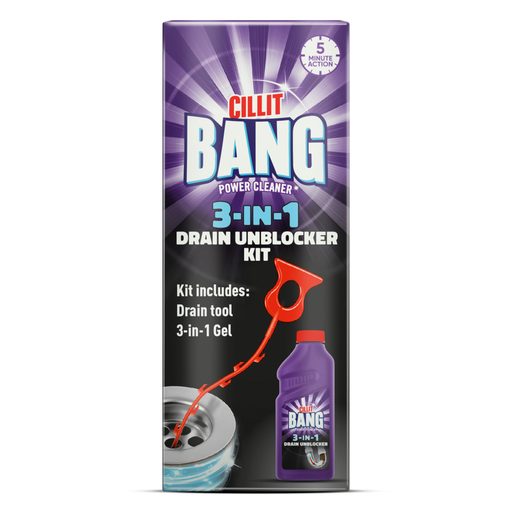
Why It Stands Out: This product offers a comprehensive two-step approach. It combines a mechanical tool to physically disrupt the clog with a powerful gel to dissolve what remains. This dual-action method is designed to tackle stubborn blockages more effectively than a liquid alone.
Pros:
Who is it for? This kit is ideal for individuals dealing with a significant blockage who want a combined mechanical and chemical solution. It’s a great first choice for tough clogs where you suspect a solid mass of hair or debris is the primary culprit.
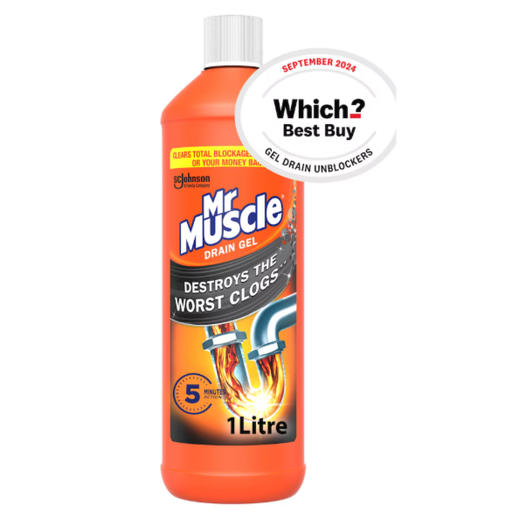
Why It Stands Out: The key feature of this sink unblocker is its thick gel formula, which is designed to sink directly through standing water to reach the blockage. According to the manufacturer's lab tests on hair removal, the formula is 3x more effective than bleach.
Pros:
Who is it for? This is a strong choice for those facing a completely blocked drain with standing water. Its ability to power through the water to the source of the problem makes it a reliable heavy duty drain cleaner for urgent situations.
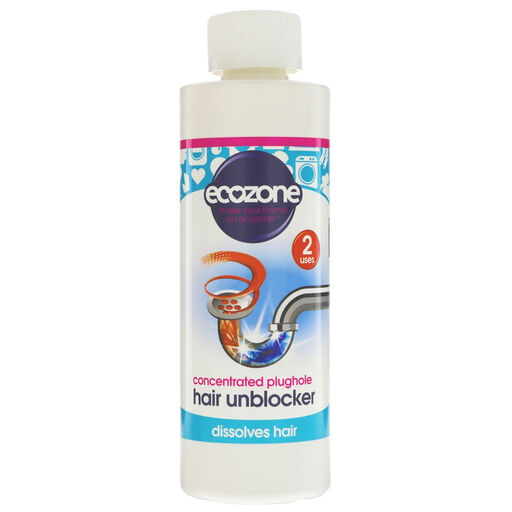
Why It Stands Out: This plughole unblocker uses an advanced enzyme-based formula to break down hair and other organic matter. It is non-toxic and non-corrosive, making it a gentle yet effective alternative to harsh chemical cleaners.
Pros:
Who is it for? This is the perfect eco friendly drain unblocker for environmentally conscious households, homes with septic systems, or anyone looking for a less aggressive solution for regular maintenance and clearing slow-running bathroom drains.
Every blockage is different, and sometimes you need a more specialised product. If the recommendations above don't quite fit your situation, or if you're looking for preventative treatments and other tools, there are many more solutions available.
Explore our full range of drain blocker products to find the perfect match for your home's plumbing needs.
1. Can a drain unblocker damage my pipes? It can, depending on the product and your plumbing. Harsh caustic cleaners, if used too frequently or left for too long, can potentially damage older metal pipes. Enzyme-based cleaners are generally much safer for all pipe types. Always read and follow the manufacturer's instructions carefully.
2. How do I know which drain cleaner to use for hair? For a drain cleaner for hair, look for products specifically formulated to dissolve it. Powerful caustic gels are often very effective. Alternatively, an enzyme-based cleaner will also break down the proteins in hair, though it may take longer to work. A mechanical tool can also be highly effective at physically removing the bulk of a hair clog from a plughole unblocker.
3. What is the difference between a gel and a liquid drain unblocker? A drain unblocker gel is formulated to be denser and heavier than water. This allows it to sink through any standing water in a blocked sink or shower and cling directly to the clog, increasing its contact time and effectiveness. Standard liquid unblockers are less dense and can be diluted by standing water, which may reduce their impact on severe blockages.