
24/7 Customer Support

Free returns

Same-day & Next-day Delivery

Quality Guaranteed

Unlock Your Welcome Offers: FREE Delivery | Up to 80% OFF | Free 30-day JoyPlus trial
Download the APP
Finding the right drawing pen can feel overwhelming. With a vast market of artist pens, each promising different results, it's difficult to know which tool will truly bring your creative vision to life. Whether you are sketching in a notebook, creating detailed illustrations or designing architectural plans, the pen you choose is fundamental to the outcome.
This guide is designed to help you navigate the options. As a Joybuy Product Recommendation Officer, my role is to provide clear, practical information on different types of drawing pens, helping you select a tool that matches your specific artistic needs and style. We will explore key features to consider and highlight a few standout options available today.
Before diving into specific products, understanding a few key characteristics will help you make a more informed decision. Consider these factors when selecting your next set of illustration pens.
The tip of the pen dictates the kind of line you can create. The two most common types for artists are fineliners and brush tips.
Not all ink is created equal. The formulation determines its permanence, how it interacts with other media and how long your artwork will last.
Based on their features, versatility and user feedback, here are some notable options that cater to a range of artistic pursuits.
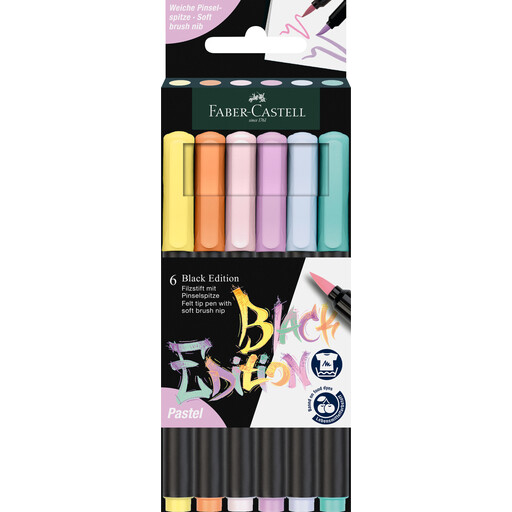
Why It Stands Out This set from Faber-Castell offers a beautiful collection of soft pastel colours, each delivered through a flexible brush nib. The pen’s design allows for remarkable versatility, enabling the artist to create both fine details and broad, sweeping strokes by simply adjusting the pressure. It’s a fantastic tool for adding expressive colour to any project.
Pros
Who is it for? These brush pens are well-suited for hobbyists, students and illustrators who want to explore expressive line work and add a touch of soft colour to their journals, illustrations or creative lettering projects.
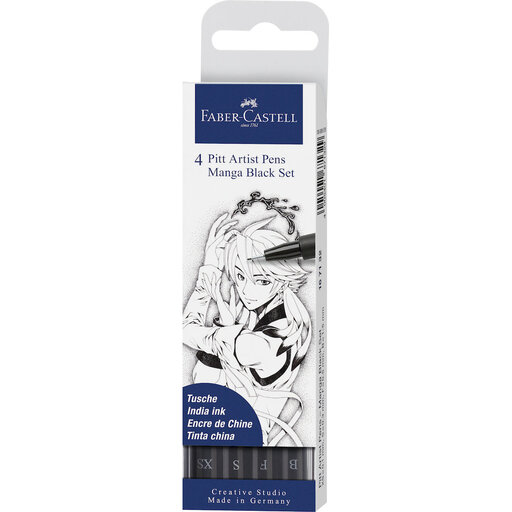
Why It Stands Out The Faber-Castell Pitt Artist Pen successfully combines the quality of traditional India ink with the convenience of a modern disposable pen. It is filled with pigmented, very lightfast drawing ink, making it a reliable choice for artwork that needs to endure. This pen is a staple for many graphic designers and illustrators.
Pros
Who is it for? This pen is an excellent choice for professional illustrators, fashion designers and artists who require the permanence and quality of India ink without the mess of traditional bottles and brushes. It's perfect for sketches, layouts and finished drawings.
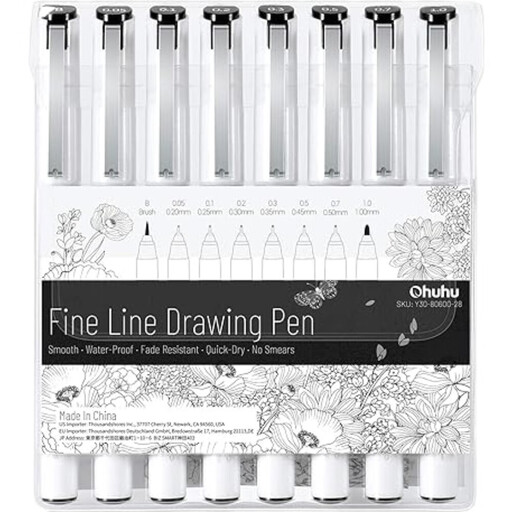
Why It Stands Out This 8-pack from Ohuhu is a comprehensive starter kit for any artist. It includes seven different fineliner tip sizes (from 0.05mm to 1.0mm) and one brush pen, covering almost any line work requirement. The quick-drying, fade-proof and water-resistant black ink prevents smudging and allows for layering with other media, making it a highly practical choice.
Pros
Who is it for? Ideal for artists, calligraphers and illustrators at any skill level. This set is particularly useful for those involved in manga art, detailed sketching and journaling, providing a full range of tools in one convenient package.
The right tool can unlock new levels of creativity. If you haven't found the perfect fit among these recommendations, or if you're looking for different colours, tip sizes or brands, there are many more options to discover.
Explore our complete collection of ink drawing pen products to find the ideal tools for your next project.
Good drawing pens typically feature archival-quality ink and come in a variety of tip sizes. Fineliners are excellent for detail and line work, while brush pens offer expressive, variable strokes. Technical pens provide consistent lines for drafting. The choice depends on your artistic style and needs, but artist-grade pens from brands known for quality ink are generally a reliable starting point.
It depends on the specific pen. Many artist pens, especially those designed for illustration and use with watercolours, contain pigment-based ink that is waterproof once dry. However, some fineliners, particularly those intended for general writing, may use dye-based ink that can bleed when wet. Always check the product description for terms like "waterproof," "water-resistant" or "archival ink" to be sure.
The main differences lie in the ink and the tip. Drawing pens use specialised ink—often pigment-based, waterproof, and lightfast—to ensure the longevity and stability of artwork. Normal writing pens, like ballpoints or standard gel pens, use ink formulated for everyday writing, which may fade over time or smudge when used with other art media. Additionally, drawing pens offer a much wider variety of tip shapes and sizes to facilitate different artistic techniques.