
24/7 Customer Support

Free returns

Same-day & Next-day Delivery

Quality Guaranteed

Unlock Your Welcome Offers: FREE Delivery | Up to 80% OFF | Free 30-day JoyPlus trial
Download the APP
Navigating the pasta aisle can be surprisingly complex. With countless shapes, brands and price points, choosing the right packet of dried pasta for your evening meal can feel like a bigger decision than it needs to be. Are you looking for the perfect base for a rich bolognese, a delicate strand for a light seafood dish or simply a reliable and affordable pantry staple?
As a Joybuy Product Recommendation Officer, my role is to help you find practical, high-quality products that suit your needs. This guide cuts through the clutter, focusing on the key details that matter when you want to buy pasta online or in-store. We will look at what makes a good quality Italian pasta and offer some clear recommendations to make your next meal a success.
Before we look at specific products, here are a few straightforward tips to help you select the right pasta for any occasion.
The foundation of quality dried pasta is its core ingredient. For that authentic texture and flavour, always look for pasta made from 100% durum wheat semolina. This hard wheat variety is high in protein, which helps the pasta maintain its structure during cooking. It is the key to achieving the firm, satisfying bite known as al dente pasta. Pasta made from softer wheat flours can become mushy and will not hold sauce as effectively.
The shape of the pasta is not just for aesthetics; it is designed to complement different types of sauces.
Reputable pasta brands provide precise cooking times to help you achieve the perfect al dente texture. A typical cooking time for quality dried pasta is between 8 and 12 minutes. Pasta that cooks too quickly may be of lower quality. Additionally, checking for an Italian origin can often be an indicator of traditional manufacturing methods, though many excellent pastas are produced elsewhere.
Here are our recommendations, selected to cover different needs, from brand heritage to everyday value.
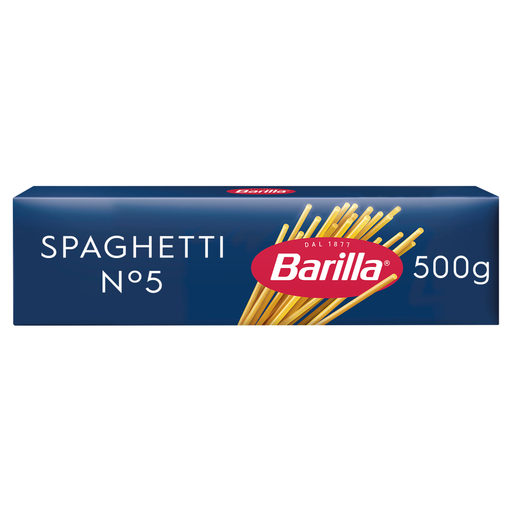
Why It Stands Out: With a heritage stretching back over 140 years, Barilla is a globally recognised name in Italian pasta. This spaghetti is made from high-quality durum wheat and water, following a traditional recipe. Its classic shape and reliable cooking performance make it a go-to choice for countless households.
Pros:
Who is it for? This is an excellent choice for home cooks who appreciate brand heritage and want a dependable, high-quality spaghetti for classic dishes like Carbonara or Bolognese.
View Product: Barilla Pasta Spaghetti 500g
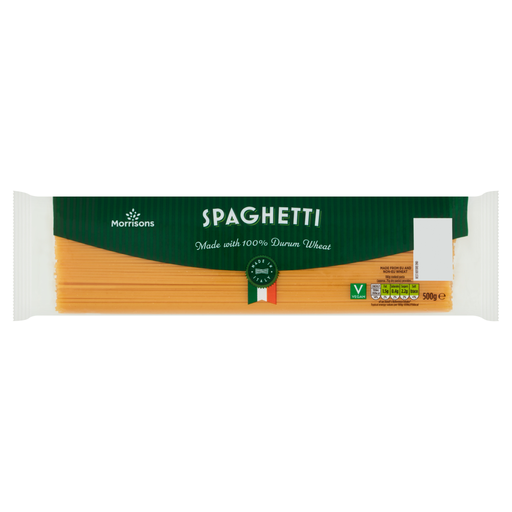
Why It Stands Out: This spaghetti from Morrisons demonstrates that quality does not have to come with a premium price tag. Made in Italy from 100% durum wheat semolina, it offers fantastic value while meeting the criteria for authentic pasta. It is a smart choice for stocking the pantry.
Pros:
Who is it for? Perfect for families, students and anyone looking for a cost-effective yet reliable dried pasta for everyday meals. It proves that a pantry staple can be both affordable and high-quality.
View Product: Morrisons Spaghetti 500g
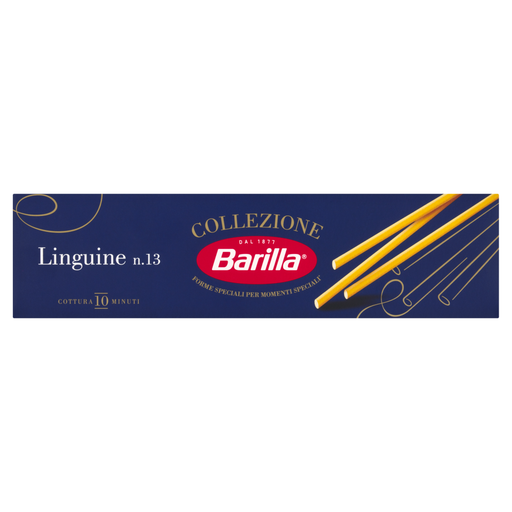
Why It Stands Out: For those looking to move beyond spaghetti, linguine offers a subtle but significant difference. This Barilla pasta originates from the Liguria region of Italy, where its flat, narrow shape—translating to "little tongues"—is traditionally paired with pesto and seafood. It provides a different eating experience, as the flat surface holds sauces in a unique way.
Pros:
Who is it for? Home cooks who want to expand their pasta repertoire and create authentic dishes like Linguine alle Vongole (clams) or a classic Pesto Genovese.
View Product: Barilla Linguine N. 13 500g
Spaghetti and linguine are just the beginning. From sturdy penne for bakes to delicate farfalle for pasta salads, the right shape can elevate any dish. If you are looking for more options, our broader selection has something for every recipe.
Explore our full range of noodles 500g to find the perfect pasta for your kitchen.
A common guideline for a main course is 75g to 100g of dried pasta per adult. For those with smaller appetites or if the pasta is a first course, 50g to 75g is often sufficient. Most 500g pasta packs will state that they contain around 6-7 servings.
For the best results, use a large pot with plenty of boiling water—at least 1 litre for every 100g of pasta. Add a generous pinch of salt once the water is boiling, then add the pasta. Stir occasionally to prevent sticking. Start testing the pasta a minute or two before the time suggested on the packet. It is 'al dente' when it is tender but still has a firm bite in the centre.
The primary difference is their shape. Spaghetti is round, like a thin cord. Linguine is elliptical or flat, like a flattened spaghetti. This subtle difference affects how they pair with sauces; the wider surface of linguine is excellent for catching lighter, oil-based sauces, while spaghetti is a classic all-rounder.