
24/7 Customer Support

Free returns

Same-day & Next-day Delivery

Quality Guaranteed

Unlock Your Welcome Offers: FREE Delivery | Up to 80% OFF | Free 30-day JoyPlus trial
Download the APP
Choosing the right food for your dog can feel overwhelming. The aisles are filled with countless bags, all promising to be the perfect choice for your companion. As a dog owner in the UK, you want to provide a diet that is not only enjoyable for your pet but also supports their health and vitality. The key is finding a complete dog food that matches their specific needs, whether you have a playful puppy, a mature adult or a dog with a sensitive stomach.
This guide is designed to help you navigate the options. We will walk through the essential factors to consider when selecting a dry dog food, look at some standout choices for different needs and help you make an informed decision for your four-legged family member.
Before you pick a bag off the shelf, it’s helpful to understand a few key principles. Focusing on your dog's individual requirements is the most reliable way to find a food that truly suits them.
A dog's nutritional needs change dramatically throughout their life.
The ingredient list provides a clear picture of what is inside the bag. Look for a high-quality protein source, such as chicken, lamb or fish, listed near the top.
For dogs with specific dietary issues, certain formulas can be particularly beneficial:
Here are a few recommendations from our range, selected to meet a variety of common needs for UK dog owners.
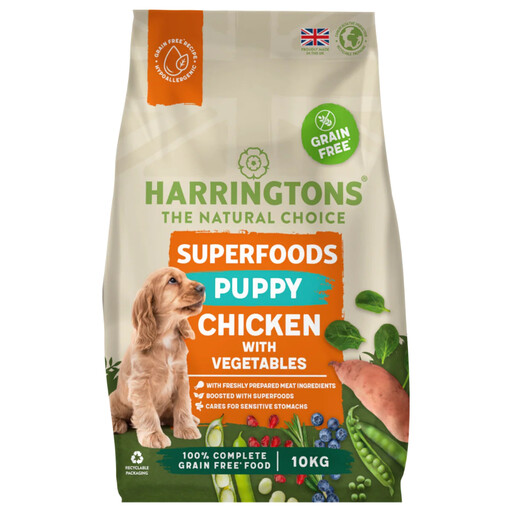
Why It Stands Out: This Harringtons formula is specifically designed for the crucial development phase of puppies. It leads with 35% chicken as its primary protein source and is completely grain-free, making it gentle on young, sensitive digestive systems. The inclusion of superfoods like spinach and blueberries provides natural antioxidants.
Pros:
Who is it for: Ideal for owners seeking a high-protein, grain free dog food for their puppies (from 3 weeks of age) to give them a strong start in life.
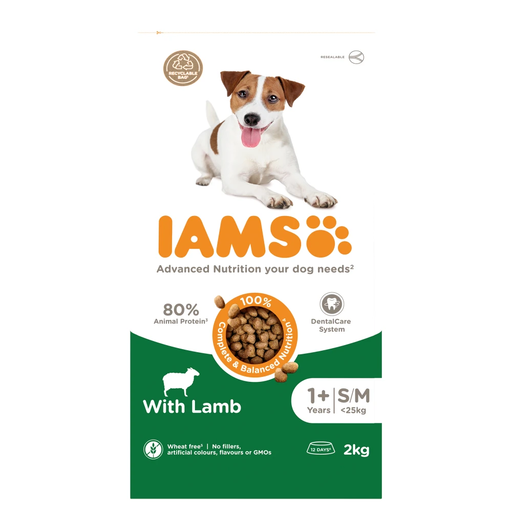
Why It Stands Out: This Iams recipe for small to medium adult dogs places a strong emphasis on oral hygiene. Its kibble includes a DentalCare System, which is designed to help reduce tartar build-up through chewing action. It also boasts a high proportion of animal protein (80% of the total protein) to help maintain lean muscle mass.
Pros:
Who is it for: A great option for owners of small to medium breed adult dogs who are looking for a complete food that also helps maintain their dog's dental health.
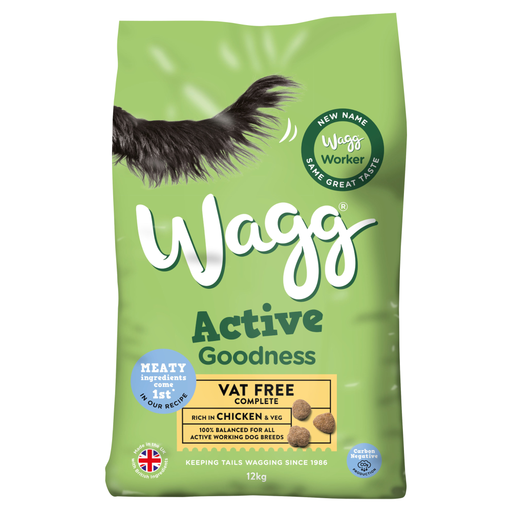
Why It Stands Out: Formulated as a working dog food, this Wagg recipe provides the balanced energy needed for an active lifestyle. With 22% protein and a blend of carbohydrates, it fuels activity and aids recovery. It also includes ingredients like chicory root and yucca to support healthy digestion.
Pros:
Who is it for: Owners of working or highly active dogs who need an energy-dense chicken dog food to support their stamina and overall condition, offered in an economical 12kg bag.
Every dog is an individual, and finding the right food sometimes requires exploring a few more options. If the recommendations above aren't quite right for your companion, we invite you to browse further.
Discover more choices in our Dry coat collection to find the ideal meal for your dog.
1. How do I switch my dog to a new dry food? To avoid digestive upset, it is important to introduce a new food gradually. Start by mixing a small amount of the new food (around 25%) with their old food (75%). Over 7 to 10 days, slowly increase the proportion of the new food until you have fully transitioned.
2. Is grain-free dog food better for all dogs? Not necessarily. A grain free dog food is most beneficial for dogs that have a diagnosed allergy or a clear sensitivity to grains. For many dogs, whole grains are a perfectly healthy source of energy and fibre. If you suspect a food allergy, it is always a good idea to consult with your vet.
3. How much dry dog food should I feed my dog? The feeding guide on the packaging is a good starting point, but it is not a strict rule. The ideal amount depends on your dog's age, breed, weight and daily activity level. Monitor your dog's body condition—you should be able to feel their ribs but not see them—and adjust their portion size as needed. Always ensure fresh, clean water is available.