
24/7 Customer Support

Free returns

Same-day & Next-day Delivery

Quality Guaranteed

Unlock Your Welcome Offers: FREE Delivery | Up to 80% OFF | Free 30-day JoyPlus trial
Download the APP
Navigating the aisles of dog food can feel overwhelming. With countless bags all promising a happy, healthy companion, it's easy to fall for marketing buzzwords or simply grab the one with the most appealing packaging. As a dog owner in the UK, you want to provide quality nutrition, but cutting through the clutter to find the right dry dog food can be a real challenge.
Many well-intentioned owners find themselves caught in common purchasing traps. Let's look at a couple of frequent pitfalls so you can shop with more confidence.
natural dog food sound appealing, but they aren't strictly regulated. A food can be labelled "natural" yet still contain less-than-ideal ingredients. Similarly, grain free dog food has become very popular, but it isn't automatically superior for every dog. Many dogs digest high-quality grains perfectly well, and the focus should be on the overall quality and digestibility of the ingredients, not just the absence of one category.By understanding what to look for, you can bypass these traps and make a choice that genuinely benefits your dog's health and your budget.
Instead of getting lost in marketing claims, focus on two key areas to assess the suitability of a dry dog food.
The ingredients are listed by weight, so the first few items make up the bulk of the food. Here’s what to look for:
chicken dog food that lists "Chicken" or "Chicken Meal" first is generally preferable to one that starts with a generic grain or "Meat Derivatives."A "one-size-fits-all" approach rarely works. A food's formula should align with your dog's specific requirements.
senior dog food is formulated differently again, often with fewer calories to prevent weight gain and added nutrients like glucosamine and chondroitin to support ageing joints.Small breed dog food typically features smaller, calorie-dense kibble to suit smaller mouths and faster metabolisms. Large breed formulas may have different mineral balances to support skeletal health.working dog food requires higher levels of protein and fat for sustained energy. For dogs with digestive issues, a dog food for sensitive stomachs or a hypoallergenic dog food made with a single or novel protein source (like duck or fish) and no common allergens (like wheat, beef or soya) can make a significant difference.Based on these practical criteria, we've identified several options that align with the needs of different UK dog owners.
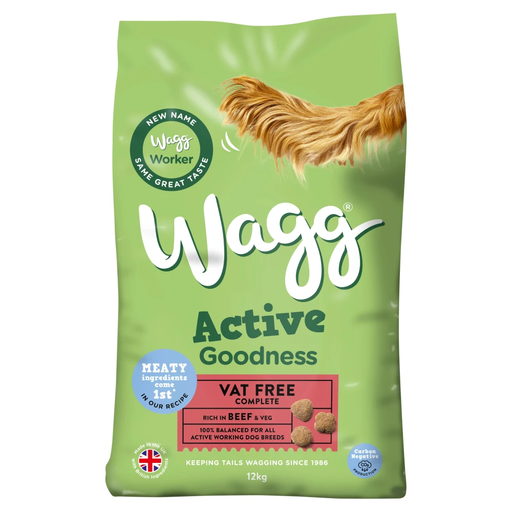
Why This Fits Their Persona: This is an excellent choice for owners of active dogs or multi-dog households who need a reliable, complete food that doesn't break the bank. The large 12kg format offers great value, making it a practical option for those looking to buy bulk dog food.
It avoids vague marketing by being upfront about its composition. It's positioned as a complete and balanced food for working dogs, delivering on its promise of functional nutrition without premium-priced frills.
Provides complete nutrition with added vitamins and minerals. The formula includes Omega 3 & 6 for skin and coat, and is made in the UK.
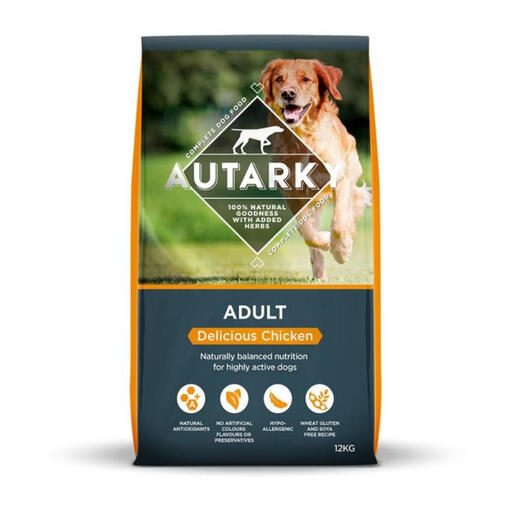
Why This Fits Their Persona: Ideal for owners who prioritise digestive health and want to avoid common irritants. This hypoallergenic dog food is formulated without wheat-gluten and soya, making it a considered choice for dogs with certain sensitivities.
It moves beyond a simple "natural" claim by specifying its hypoallergenic qualities and including functional ingredients like prebiotics, taurine for heart health and a blend of herbs to support overall wellbeing.
Features a minimum of 26% chicken and is free from wheat-gluten and soya. The formula includes prebiotics and yucca to aid digestion.
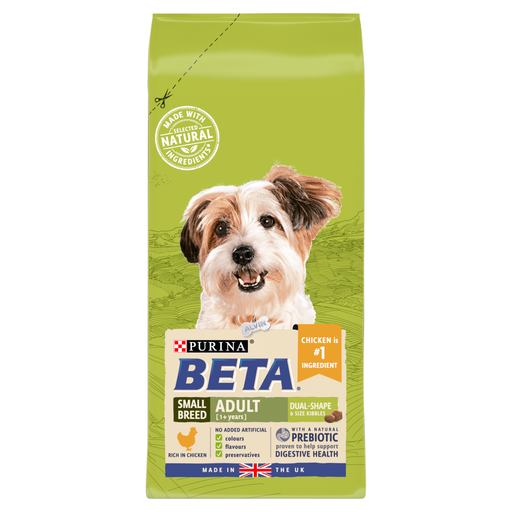
Why This Fits Their Persona: This food is specifically designed for the unique needs of small dogs. The formulation acknowledges their faster metabolisms and smaller mouths, providing tailored nutrition in a manageable kibble size.
Instead of just offering a smaller version of a standard food, this recipe is specifically tailored. The dual-shape kibble and nutrient-dense formula show a focus on the specific physiological needs of small breeds over generic marketing.
Chicken is the #1 ingredient. The formula includes natural prebiotics for digestive health and features dual-shape kibbles designed for small mouths.
We have compiled a complete, real-time list of products that fully satisfy these strict selection criteria and UK safety regulations.
1. How should I transition my dog to a new dry food? To avoid digestive upset, you should introduce any new food gradually. Start by mixing a small amount of the new food (around 25%) with their old food (75%). Over the course of 7 to 10 days, slowly increase the proportion of the new food while decreasing the old, until you have fully transitioned.
2. Is dry food or wet food better for my dog? Both dry dog food and wet dog food can provide complete and balanced nutrition. Dry food is convenient to store, generally more cost-effective and the crunchy kibble can help with dental hygiene. Wet food is highly palatable and a great source of hydration, which can be beneficial for some dogs. Many owners find that a combination of both, known as mixed feeding, works well.
3. What does "complete and balanced" mean on a dog food label? This is a regulated term. It means the food contains all the essential nutrients your dog needs—in the correct ratios—to be their sole source of nutrition. A "complementary" food, like a treat or a mixer, does not meet this standard and should only be fed as part of a balanced diet.