
24/7 Customer Support

Free returns

Same-day & Next-day Delivery

Quality Guaranteed

Unlock Your Welcome Offers: FREE Delivery | Up to 80% OFF | Free 30-day JoyPlus trial
Download the APP
As a cat owner, you want what’s best for your feline companion and your home. But finding a cat litter that manages odours, is easy to clean and doesn't harm the planet can feel like a challenge. Traditional clay litters often involve strip-mining and end up in landfills, while their dust can be an issue for both pets and people.
If you're looking for a more sustainable and health-conscious alternative, you've come to the right place. This guide is designed to help you navigate the world of eco-friendly cat litter. We'll break down the different materials, highlight key performance features and share our top recommendations to help you make an informed choice for your cat and the environment.
Choosing a new litter can be daunting with so many options available. Focusing on a few key factors can simplify the process and ensure you find a product that works for your household.
The foundation of any eco-friendly cat litter is its material. Unlike clay or silica, plant-based cat litter is derived from renewable resources and is typically a form of biodegradable cat litter. Common types in the UK include:
An eco-friendly choice shouldn't mean compromising on performance. When comparing options, consider these features:
One of the main benefits of natural cat litter is its environmentally friendly disposal. Many are compostable, breaking down naturally over time. Some are also marketed as flushable cat litter. However, it is crucial to follow the product's specific instructions and local water authority guidelines. Always flush only small, well-broken-up clumps one at a time to avoid plumbing issues and never flush an entire tray of used litter.
Here are four standout options that balance performance, sustainability and convenience.
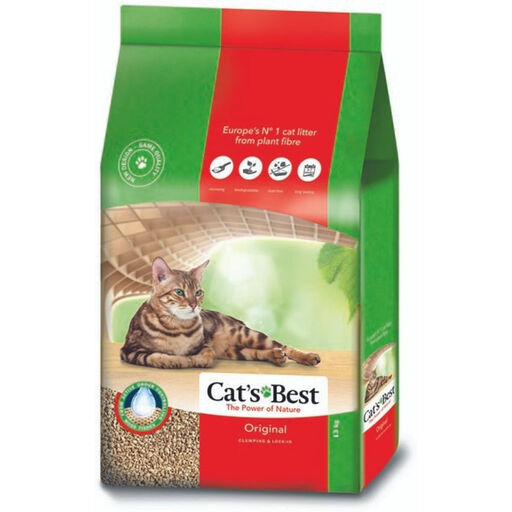
Why It Stands Out: This litter uses technologically refined active wood fibres for impressive absorbency and odour locking. Made from PEFC-certified secondary raw wood materials, no trees are felled for its production, making it a responsible choice. Its lightweight nature also makes it easier to carry and handle than mineral litters.
Pros:
Who is it for: Cat owners looking for a high-performance, lightweight wood-based litter with strong clumping and odour-binding capabilities.

Why It Stands Out: This tofu cat litter is made from a simple, non-toxic blend of soya bean and natural starches. Its fast-clumping action and water-soluble design make daily maintenance and disposal straightforward. The extra-soft texture is particularly suitable for cats with sensitive paws.
Pros:
Who is it for: Households seeking a soft, flushable and virtually dust-free litter, especially for cats with sensitivities.
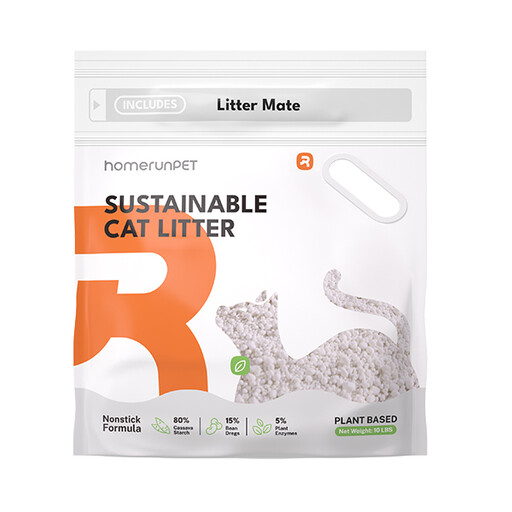
Why It Stands Out: With a unique formula containing 80% tapioca starch, this litter offers an innovative "anti-stick bottom" feature. Clumps form quickly and are designed not to adhere to the litter tray, making scooping exceptionally clean. Its triple-size particle mix helps reduce tracking around the house.
Pros:
Who is it for: Cat owners who prioritise effortless cleanup and want to minimise both dust and litter tracking.
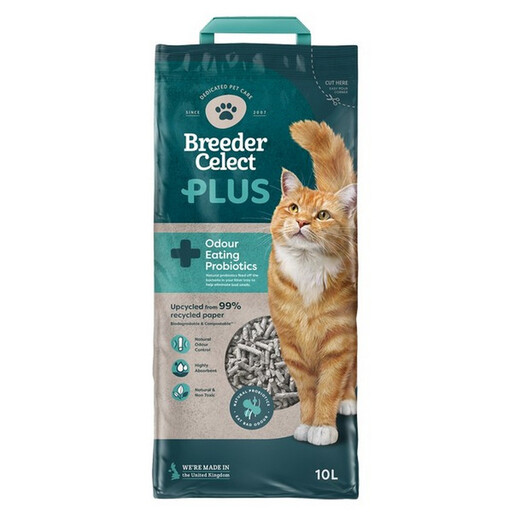
Why It Stands Out: This paper cat litter takes odour control a step further by infusing natural probiotics into the recycled paper pulp. The probiotics actively break down odour molecules, keeping the litter tray fresher for longer. It’s a fast-clumping, dust-free option that is gentle enough for kittens and senior cats.
Pros:
Who is it for: Owners of kittens, senior cats or pets with respiratory sensitivities who need superior odour control from a gentle, recycled material.
If you're still exploring the perfect plant-based cat litter for your home, there are many more varieties to discover. From different textures to unique material blends, finding the right fit can make all the difference.
Explore our full collection of natural and eco-friendly cat litters to find your ideal match.Shop All Plant-Based Cat Litter
1. Is eco-friendly cat litter as effective at controlling odours as clay litter? Yes, many modern eco-friendly litters offer excellent odour control that can rival or even surpass traditional clay. Materials like wood have natural odour-fighting properties, while others, like the Breeder Celect PLUS, incorporate advanced technologies such as probiotics to actively neutralise ammonia smells at the source.
2. Can you flush all biodegradable cat litters? No, not all biodegradable litters are flushable. It is essential to check the packaging for specific disposal instructions. For litters marked as flushable, only flush one or two small, broken-up clumps at a time and allow them to dissolve before flushing again. Always check with your local water authority for regional guidelines, as some older plumbing systems may not be suitable.
3. How do I switch my cat to a new type of litter? Cats can be sensitive to change, so a gradual transition is recommended. Start by mixing a small amount of the new eco-friendly litter (about 25%) with their old litter. Over the course of a week or two, gradually increase the proportion of the new litter until you have fully replaced the old one. This helps your cat get used to the new scent and texture without causing stress.