
24/7 Customer Support

Free returns

Same-day & Next-day Delivery

Quality Guaranteed
Download the APP
Categories
Making more sustainable choices at home is a goal for many of us, but navigating the world of eco-friendly products can be confusing. When it comes to a household staple like toilet paper, terms like "recycled," "bamboo," and "plastic-free" are common, yet it's not always clear what they mean for quality, comfort or your budget.
As a Joybuy Product Recommendation Officer, my role is to help you understand your options. This guide cuts through the marketing jargon to offer practical advice on choosing sustainable toilet paper that suits your family's needs and values. We will explore the key differences between materials and highlight some excellent choices available today.
Before looking at specific products, it helps to understand the key features that define a truly sustainable and high-quality loo roll.
The primary environmental impact of toilet paper comes from its source material. The two leading sustainable alternatives to traditional virgin-pulp paper are recycled paper and bamboo.
toilet paper for sensitive skin.What is left out of your toilet paper is just as important as what goes in. For a truly chemical free toilet paper, look for rolls that are free from inks, dyes and artificial scents. The bleaching process is also a key factor; seek out products that use elemental chlorine-free (ECF) or totally chlorine-free (TCF) methods, often using oxygen or hydrogen peroxide, which are gentler on the environment and your skin.
Furthermore, ensure the product is 100% biodegradable and explicitly labelled as septic safe toilet paper if your home uses a septic system. Both recycled and bamboo options typically break down easily, preventing plumbing issues.
A product's sustainability extends to its packaging. Many brands are now moving towards plastic free toilet paper packaging, using recyclable paper wrappers and cardboard boxes. This significantly reduces single-use plastic waste in your home.
Also, pay attention to the roll size. Many eco-conscious brands offer double length toilet rolls, which contain up to twice the number of sheets as a standard roll. This not only means you replace the roll less often but also reduces the overall amount of packaging and transport emissions per sheet.
Based on material sourcing, product features and user-friendliness, here are our recommendations for 2026.
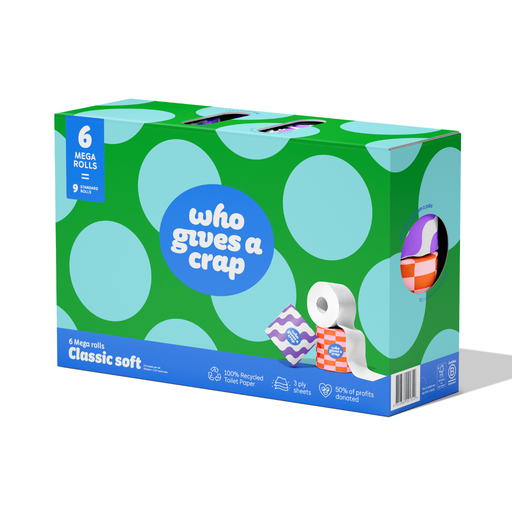
Why It Stands Out: This is a classic recycled toilet paper that delivers on its promise of sustainability without compromising on everyday comfort. It’s a practical and effective choice for families looking to reduce their environmental impact.
Pros:
Who is it for?: Environmentally-conscious households that want a reliable, no-fuss recycled paper from a brand with a strong social mission.
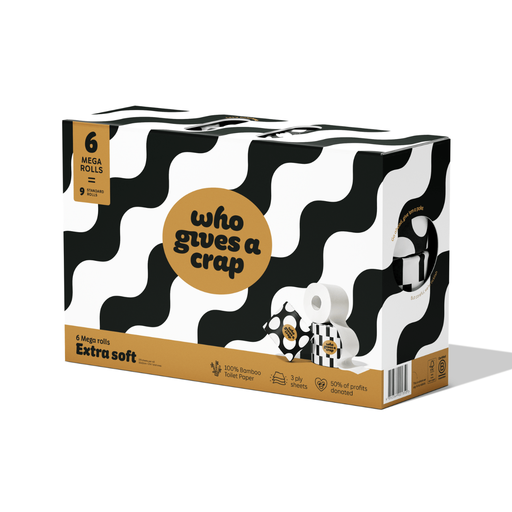
Why It Stands Out: This premium bamboo toilet paper offers a noticeably softer and plusher feel compared to many recycled options, making it an excellent upgrade for those who prioritise comfort alongside sustainability.
Pros:
Who is it for?: Individuals and families seeking a premium, gentle toilet paper experience who are willing to invest in the superior softness and sustainable properties of bamboo.
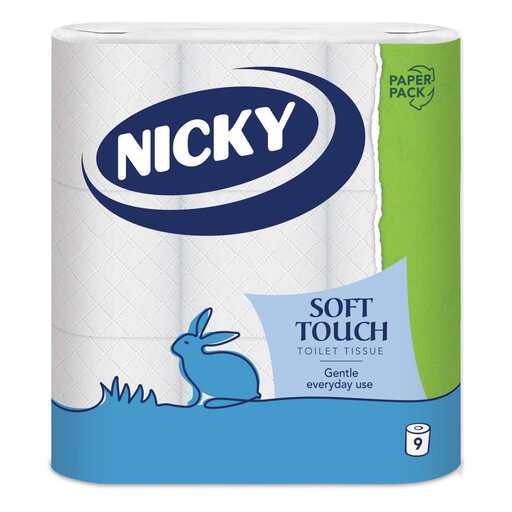
Why It Stands Out: This product demonstrates that even toilet paper made from virgin pulp can be produced with strong environmental responsibility. Its FSC certification and plastic-free packaging make it a solid, accessible choice.
Pros:
Who is it for?: Budget-conscious shoppers who prefer the feel of traditional toilet tissue but still want to make a responsible purchase by choosing a product with certified sustainable sourcing and plastic-free packaging.
While our recommendations cover a range of needs for the bathroom, the world of sustainable paper products is vast. If you are exploring options for gift wrapping, crafting or other household uses, you might find what you are looking for in our broader collection.
Explore our full range of packaging tissue paper to find other eco-conscious paper solutions.
1. Is bamboo toilet paper really better for the environment than recycled paper? Both are excellent sustainable choices with different benefits. Recycled paper tackles the problem of post-consumer waste, while bamboo offers a rapidly renewable resource that grows without pesticides. The "better" option often depends on your personal priorities—whether that's reducing waste or using virgin materials from a highly sustainable source. Look for FSC certification on bamboo products to ensure responsible sourcing.
2. Is recycled toilet paper hygienic and safe to use? Absolutely. The production process for recycled toilet paper involves rigorous cleaning, pulping and heating stages that effectively remove inks and any contaminants. Reputable brands use chlorine-free bleaching methods, resulting in a final product that is clean, safe and hygienic for the whole family.
3. Will eco friendly toilet paper block my pipes or septic tank? Most eco friendly toilet paper is specifically designed to be biodegradable and break down quickly in water. Both bamboo and recycled fibres are less dense than those from old-growth trees, allowing them to dissolve easily. To be certain, always check the product's packaging for a "septic safe" confirmation.