
24/7 Customer Support

Free returns

Same-day & Next-day Delivery

Quality Guaranteed
Download the APP
Categories
A reliable electric kettle is a cornerstone of the British kitchen. From the first cup of tea in the morning to a quick coffee break or preparing hot water for cooking, it’s an appliance we use daily. Yet, finding the right one can be a challenge. Slow boiling times, limescale build-up and features that don't quite match your routine are common frustrations.
As a Joybuy Product Recommendation Officer, my role is to help you navigate the market. This guide cuts through the clutter, focusing on practical features and performance to help you choose an electric kettle that genuinely suits your needs, whether you're equipping a family kitchen, a home office or packing for a trip.
Before looking at specific models, it's helpful to understand the key features that will make a difference in your day-to-day use.
Consider how you'll use your kettle. A standard 1.7L electric kettle is ideal for families or for when you have guests, as it can boil enough water for about 6-7 cups at once. For individual use, a smaller model might suffice.
Boiling speed is determined by the kettle's power, measured in watts (W). A higher wattage, typically from 2200W to 3000W, will deliver a fast boil kettle experience, saving you precious minutes during a busy morning. Lower wattage models are still effective but will take a little longer.
The material of your kettle affects its durability, appearance and maintenance.
Modern kettles offer more than just boiling water. A kettle with keep warm function is incredibly useful, holding the water at a set temperature so it's ready for a second cup without needing a full re-boil. Some advanced models even offer variable temperature controls, which is perfect for brewing delicate green teas or preparing coffee with a French press, tasks that benefit from water that is hot but not boiling.
Based on features, user needs and overall practicality, here are some standout options to consider.
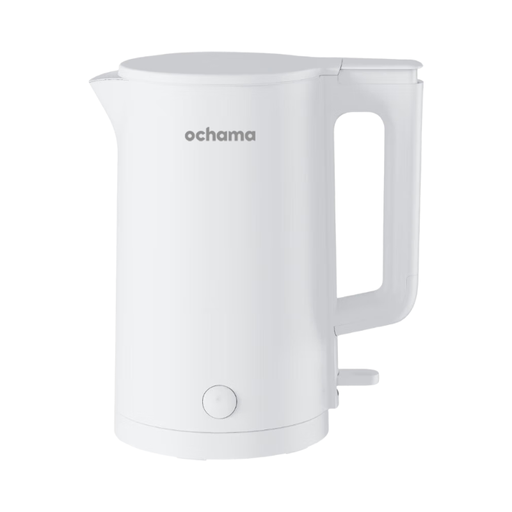
Why It Stands Out: This model combines a generous capacity with a thoughtful keep-warm feature, making it a practical workhorse for any family kitchen. Its clean, Nordic-inspired design fits well with most modern décor.
Pros:
Who is it for? Families, shared households and anyone who frequently makes hot drinks throughout the day and appreciates the convenience of having warm water on standby.
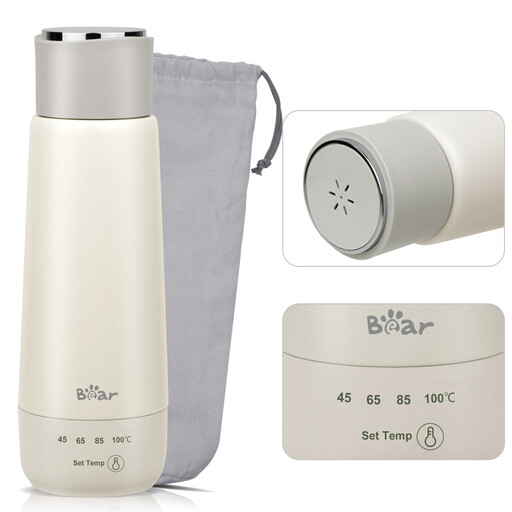
Why It Stands Out: This compact travel electric kettle is more than just a simple boiler; it's a personal hot water station. Its precise temperature control and leak-proof design make it exceptionally versatile for use on the road, in the office or even at a university dorm.
Pros:
Who is it for? Frequent travellers, office workers, students and new parents who need access to water at specific temperatures wherever they are.
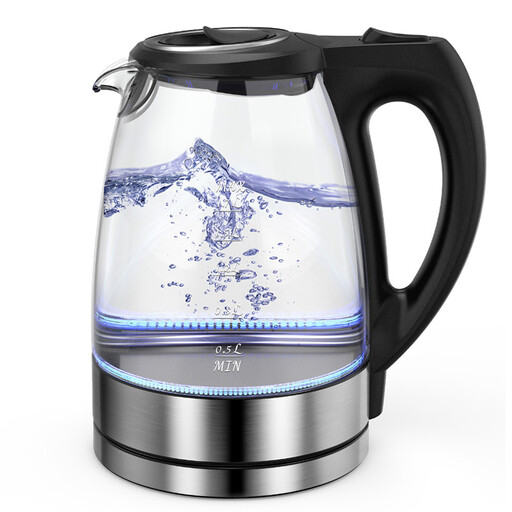
Why It Stands Out: This glass electric kettle is designed for those who value both speed and aesthetics. Its high-power element ensures a very fast boil, while the transparent body provides a clear view of the water level and adds a touch of modern elegance to the countertop.
Pros:
Who is it for? Homeowners with a modern kitchen, tea and coffee lovers who appreciate a quick brew and anyone who prefers the clean look and easy maintenance of a glass design.
While these recommendations cover a range of common needs, the ideal appliance is a personal choice. If you are particularly drawn to the durability and hygienic properties of stainless steel, it's a material used across a wide array of high-quality kitchenware.
Explore our wider collection to find other excellent options. You can browse a variety of kitchen essentials, including a selection of 304 stainless steel pot products, to find the perfect fit for your home.
1. How often should I descale my electric kettle? This depends on the water hardness in your area. In hard water areas, it's a good practice to descale your kettle every one to two months to maintain its efficiency and prevent flakes from getting into your drink. In soft water areas, you may only need to do it every three to four months. Using a glass kettle makes it easy to see when scale is starting to build up.
2. Is a stainless steel or glass kettle better? Neither is definitively "better"; it depends on your priorities. A stainless steel electric kettle generally offers superior durability and is less prone to breaking if knocked. A glass electric kettle provides a modern look and the practical benefit of seeing the water level and any limescale build-up at a glance. Both are excellent choices when made with high-quality, food-grade materials.
3. What is a 'keep warm' function on a kettle? A kettle with keep warm function is a feature that maintains the water temperature for a set period after it has boiled. Instead of letting the water cool down completely, the kettle uses low power to keep it hot (e.g., at 55°C or 80°C). This is very convenient if you know you'll want another cup of tea or coffee shortly after the first, as it saves time and energy compared to a full re-boil.