
24/7 Customer Support

Free returns

Same-day & Next-day Delivery

Quality Guaranteed

Unlock Your Welcome Offers: FREE Delivery | Up to 80% OFF | Free 30-day JoyPlus trial
Download the APP
Making the switch from a manual to an electric toothbrush can feel like a significant step. With so many models on the market, it's easy to get lost in technical specifications and marketing claims. You might be wondering which features are genuinely useful and which model offers the right balance of performance and value for your specific needs.
This guide is designed to cut through the clutter. As the Joybuy Product Recommendation Officer, my role is to provide clear, practical advice to help you make an informed decision. We will explore the key features to look for and highlight a few standout models that cater to different preferences and lifestyles, from the daily commuter to the frequent traveller.
Before diving into specific products, understanding a few core features will help you identify what matters most to you.
Most modern electric toothbrushes use one of two main technologies: oscillating-rotating or sonic. A sonic toothbrush uses high-frequency vibrations to move the brush head side-to-side at speeds of tens of thousands of strokes per minute. This creates micro-bubbles that can help clean between teeth and along the gumline, areas that are often difficult to reach. All the models we'll look at today utilise this popular and effective technology.
The "smart" in a smart toothbrush isn't just a gimmick. Certain features provide tangible benefits for your oral hygiene routine.
Your daily routine should influence your choice. Consider these practical aspects:
Based on features that offer practical benefits for UK users, here are our recommendations.
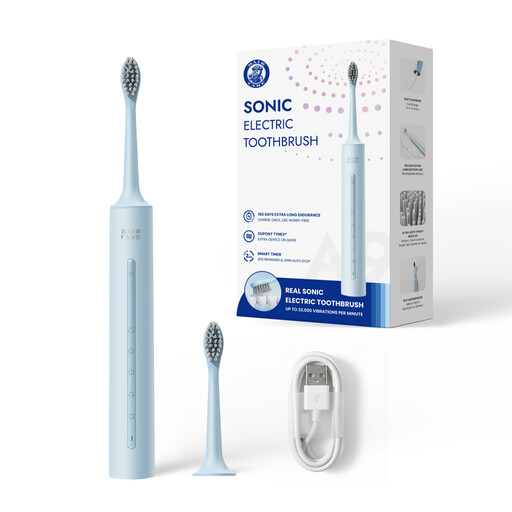
Why It Stands Out: The BAIR CARE A9 is built for ultimate convenience, centred around its remarkable battery performance. A single charge can power the device for up to 180 days, making it a leading choice for those who travel frequently or simply dislike the hassle of constant charging.
Pros:
Who is it for?: The frequent traveller, the minimalist who wants a clutter-free bathroom or anyone seeking a low-maintenance yet powerful oral care device.
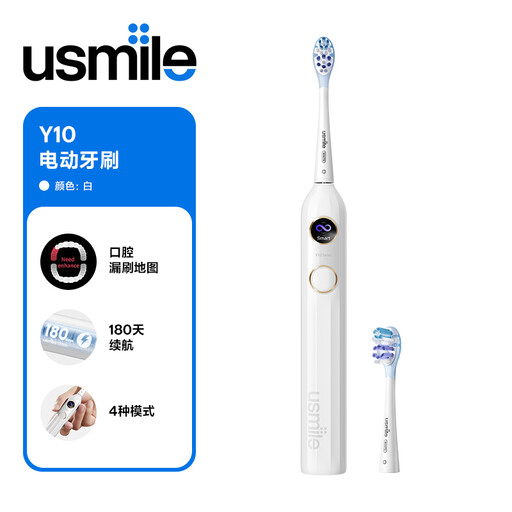
Why It Stands Out: The usmile Y10 brings data-driven feedback directly to your handle with its integrated smart screen. This display shows which areas of your mouth you've brushed and which you've missed, guiding you towards a more complete clean every time.
Pros:
Who is it for?: The tech-savvy individual who appreciates data and visual feedback to perfect their brushing technique and ensure no spot is missed.
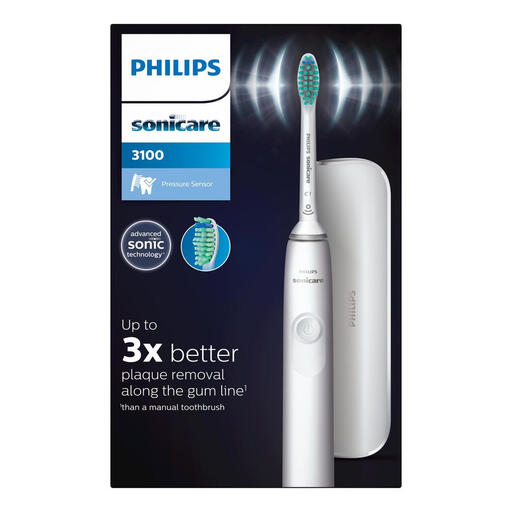
Why It Stands Out: The Philips Sonicare 3100 is a fantastic entry point into the world of sonic toothbrushes from a globally recognised brand. It focuses on the essential features that make a difference—a pressure sensor and timer—in a reliable, user-friendly package.
Pros:
Who is it for?: Anyone upgrading from a manual toothbrush for the first time who wants a trusted brand and the core features for a better clean without overwhelming complexity.
While these three models represent excellent choices for different needs, the world of electric toothbrushes is vast. If you're looking for different features, brush head types or other smart functionalities, you can explore a wider variety.
Browse our full collection of Smart Toothbrush with Timer models to find the perfect fit for your oral care routine.
1. How often should I replace my electric toothbrush head? It is generally recommended to replace your brush head every three months or sooner if the bristles become visibly frayed or worn. Worn bristles are less effective at cleaning and can potentially harm your gums. Many brush heads have indicator bristles that fade over time to remind you.
2. Can I use an electric toothbrush with sensitive gums? Yes, many people with sensitive gums find electric toothbrushes beneficial. Look for a model with a dedicated 'Soft' or 'Gum Care' mode, which uses a gentler vibration. A model with a pressure sensor is also highly recommended, as it will train you to avoid brushing too hard, which is a common cause of gum irritation.
3. Is a sonic toothbrush really better than a manual one? While a manual toothbrush can be effective when used with perfect technique, a sonic toothbrush offers several advantages that help improve consistency and results. Features like the built-in timer, pressure sensor and high-frequency vibrations provide a guided experience that helps many users achieve a more thorough and consistent clean, leading to improved plaque removal and gum health over time.