
24/7 Customer Support

Free returns

Same-day & Next-day Delivery

Quality Guaranteed

Unlock Your Welcome Offers: FREE Delivery | Up to 80% OFF | Free 30-day JoyPlus trial
Download the APP
Moving from a manual to an electric toothbrush can feel like a significant upgrade for your oral hygiene routine. However, the market is crowded with options, confusing technical terms and premium price tags that can be off-putting. Many of us are looking for a straightforward, effective and affordable solution that fits a modern lifestyle—one that doesn’t require a bulky charging dock or a hefty investment.
This guide is designed to cut through the clutter. As a Joybuy Product Recommendation Officer, my role is to help you understand the key features that matter, so you can choose an electric toothbrush that delivers a superior clean without the complexity. We will focus on practical considerations like charging technology, battery life and brushing performance to help you find a model that suits your needs and budget.
Making an informed decision is simple when you know what to look for. Here are a few key factors to consider before you buy.
Most electric toothbrushes fall into two categories: oscillating-rotating or sonic. A sonic toothbrush uses high-frequency vibrations to move the brush head at tens of thousands of strokes per minute. This rapid movement not only scrubs away plaque but also creates a dynamic cleaning action, pushing fluid and toothpaste into the tight spaces between teeth and along the gumline for a thorough clean. Many users find the sensation less aggressive than oscillating models, making it a popular choice.
In an age where one cable can charge your phone, laptop and headphones, a proprietary toothbrush charger feels outdated. A USB-C electric toothbrush offers a significant advantage in convenience. It eliminates the need for a clunky bathroom dock, frees up plug sockets and means you only need to pack one cable when you travel. This feature is a hallmark of a modern, user-friendly travel electric toothbrush.
Beyond the core technology, a few features are non-negotiable for a good brushing experience.
Based on the features that matter to tech-savvy and budget-conscious users, here are our standout recommendations.
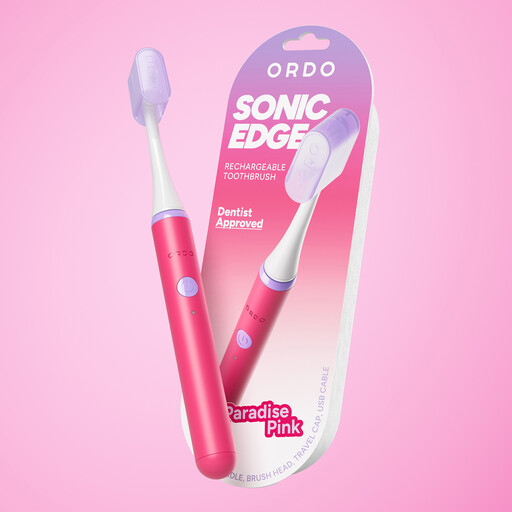
Why It Stands Out: The Ordo Sonic Edge combines a sleek, minimalist aesthetic with powerful sonic technology. Its compact and lightweight design makes it exceptionally portable, but its redesigned motor ensures that no power is sacrificed. It delivers an effective, deep clean you might expect from a much more expensive brush.
Pros:
Who is it for?: This is an excellent choice for frequent travellers, minimalists or anyone who values both high performance and sophisticated design in a portable package.
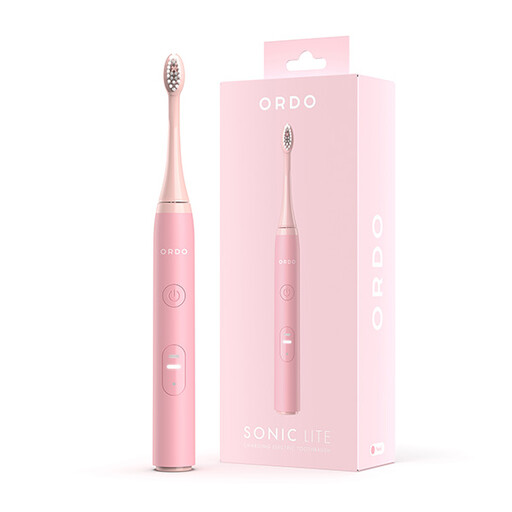
Why It Stands Out: The Sonic Lite is a fantastic entry point into the world of sonic cleaning. It packs the most important features—powerful pulses, multiple modes and a long-lasting battery—into a stylish and highly affordable package. It offers a significant upgrade from a manual brush without a steep learning curve or price.
Pros:
Who is it for?: Ideal for first-time electric toothbrush users, students or anyone looking for a high-value, no-fuss upgrade to their daily routine.
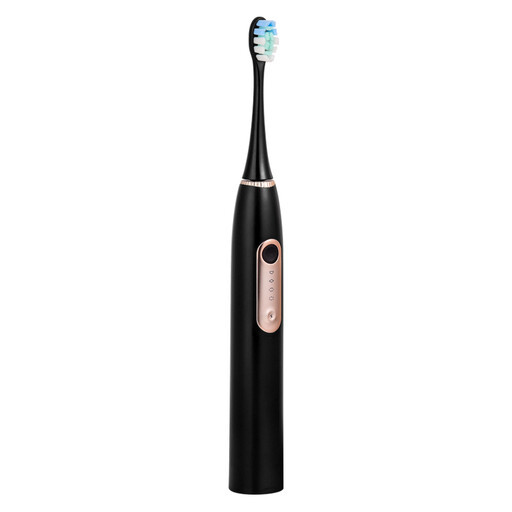
Why It Stands Out: The Rushi R-C31 is built around a powerful magnetic levitation motor, a technology designed for high-frequency vibration and efficiency. With an impressive pulse rate, it excels at tackling stubborn stains and plaque. Its IPX7 waterproof rating adds a layer of durability and convenience.
Pros:
Who is it for?: A great option for the tech-focused user who wants maximum cleaning power and advanced motor technology in a robust, waterproof design.
These recommendations represent some of the most compelling combinations of performance, design and value available today. However, the right toothbrush is a personal choice. If the convenience of a USB-C electric toothbrush is a top priority for you, there are many other styles and models to consider.
To see a wider range of colours and feature sets, explore our full collection of USB-C toothbrushes and find the perfect match for your routine.
1. How often should I replace my electric toothbrush head? The general guidance from dental professionals is to replace your brush head approximately every three months. You should also replace it sooner if the bristles become visibly frayed or worn, as this reduces cleaning effectiveness.
2. Is a sonic toothbrush better than a manual one? While a manual toothbrush can be effective with perfect technique, a sonic toothbrush offers distinct advantages. It provides consistency with a built-in timer and pre-set power levels, removing the guesswork. The high-frequency vibrations are also highly efficient at breaking up plaque, often leading to a more thorough clean than most people can achieve manually.
3. Can I use an electric toothbrush with braces? Yes, many electric toothbrushes are suitable for use with orthodontic work. A sonic toothbrush can be particularly effective, as its gentle vibrations and fluid dynamics can help clean around brackets and wires where food particles often get trapped. The Ordo Sonic Lite, for example, is noted as being gentle enough for use with braces. It is always a good idea to consult your orthodontist for personalised advice.