
24/7 全天候客户支持

免费退货

当日/次日达

品质保障

开启新人专享福利: 全场免邮 | 低至 2 折 | 免费试用 30 天 JoyPlus 会员
下载 Joybuy
Making the switch from a manual to an electric toothbrush can feel like a significant step. With so many models on the market, it is easy to get lost in technical specifications and marketing claims. You might be wondering which features are genuinely useful and which model offers the right balance of performance and value for your specific needs.
This guide is designed to cut through the clutter. We will walk you through the key features to consider when choosing a new electric toothbrush and highlight a few standout models that cater to different priorities, from exceptional battery life to features for sensitive gums. Our goal is to provide clear, practical information to help you make a confident choice for your oral health routine.
Before diving into specific products, understanding a few core concepts can simplify your decision. Here are three key factors to consider.
The two dominant technologies in the electric toothbrush market are sonic and oscillating-rotating.
The choice between them often comes down to personal preference, as both are effective at cleaning teeth. Some users prefer the sweeping sensation of a sonic brush, while others favour the focused polishing feel of an oscillating-rotating head.
Modern electric toothbrushes come with a host of features, but two are particularly important for developing good habits:
A rechargeable electric toothbrush is standard, but battery performance varies widely. Some models require charging every week or so, while others boast an exceptionally long battery life of several months. Consider your lifestyle—if you travel frequently or simply dislike the clutter of chargers, a model with a longer-lasting battery could be a priority. Also, note that many bathroom electronics in the UK, including toothbrush chargers, come with a 2-pin plug designed for standard bathroom shaver sockets.
After analysing the features and user needs, we have selected three models that stand out for their performance, features and value.
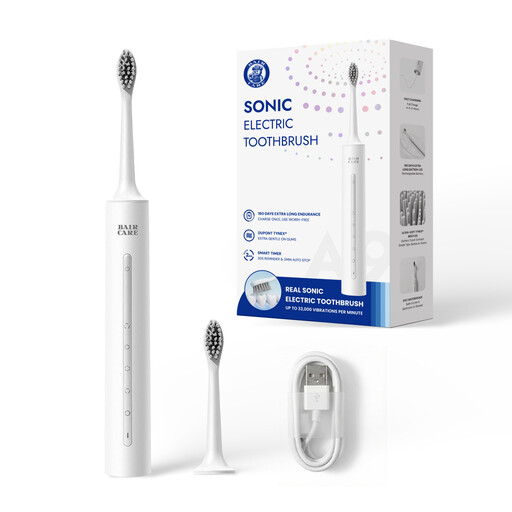
Why It Stands Out: The standout feature of the BAIR CARE A9 is its remarkable 180-day long battery life from a single charge via a modern USB-C port. This, combined with its high degree of customisation—5 cleaning modes and 3 intensity levels—makes it a highly versatile and low-maintenance option.
Pros:
Who is it for?: This is an excellent choice for frequent travellers, tech-savvy individuals who appreciate customisation or anyone who wants a powerful sonic toothbrush without the hassle of constant charging.
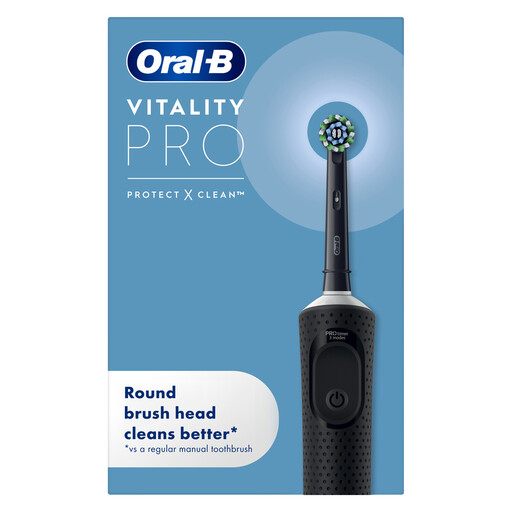
Why It Stands Out: The Oral-B Vitality Pro is a dependable and accessible entry into the world of oscillating-rotating toothbrushes. It focuses on core functionality, delivering an effective clean with its signature round brush head designed to surround each tooth.
Pros:
Who is it for?: Ideal for first-time users of an electric toothbrush or anyone seeking a straightforward, no-fuss device from a well-established brand that prioritises effective cleaning.
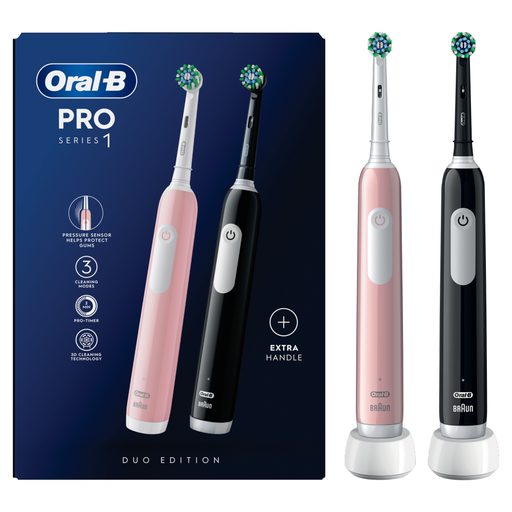
Why It Stands Out: This electric toothbrush duo pack offers excellent value for couples or households. It provides two separate handles (one black, one pink) and chargers, each equipped with essential features like a pressure sensor and multiple cleaning modes, including a whitening electric toothbrush setting.
Pros:
Who is it for?: Perfect for couples, flatmates or families who want to upgrade their oral care routine together. The inclusion of a pressure sensor makes it a solid choice for those conscious of gum health.
While these recommendations cover a range of common needs, the world of dental care technology is vast. If you are looking for different features, specialised brush heads or other oral hygiene devices like water flossers, we invite you to browse our complete collection.
Explore our full Professional Dental Equipment range to find the perfect tools for your health routine.
Is an electric toothbrush really better than a manual one? Electric toothbrushes offer several advantages that can lead to a more effective clean. The built-in timer helps ensure you brush for the dentist-recommended two minutes, while the consistent, high-speed motion can remove plaque more efficiently than manual brushing for many people. Features like pressure sensors also help prevent damage from brushing too aggressively.
How often should I replace the head on my rechargeable electric toothbrush? Most manufacturers advise replacing the brush head every three months. Over time, bristles become frayed and less effective at cleaning. Many brush heads now feature indicator bristles that fade to remind you when it is time for a replacement, which is also important for maintaining hygiene.
Can I use an electric toothbrush if I have sensitive gums? Yes, many models are designed specifically as an electric toothbrush for sensitive gums. Look for devices that offer a 'Sensitive' or 'Gum Care' mode, which operates at a lower speed. A pressure sensor is another vital feature, as it provides a real-time alert if you are applying too much force, helping to protect your gums from irritation.