
24/7 Customer Support

Free returns

Same-day & Next-day Delivery

Quality Guaranteed

Unlock Your Welcome Offers: FREE Delivery | Up to 80% OFF | Free 30-day JoyPlus trial
Download the APP
Moving from a manual to an electric toothbrush can feel like a significant upgrade for your oral health routine. However, the market is flooded with models boasting features that sound impressive but often add little practical value. As a Joybuy Product Recommendation Officer, my role is to help you see past the marketing jargon and focus on what truly matters. Before you invest, let's look at the common pitfalls that can lead to buyer's remorse.
To make a sensible choice, focus on the core specifications that deliver tangible benefits. These are the non-negotiable features to look for.
A rechargeable electric toothbrush is standard, but the method and duration vary wildly. Look for models that offer at least a few months of use from a single charge. This is a game-changer for travel and reduces bathroom clutter. Also, consider the charging method. A standard USB-C connection is far more convenient than a bulky, proprietary charging base, especially if you want an electric toothbrush with a travel case.
Instead of complex apps, the most effective smart features are built directly into the handle.
Most models on the market use sonic toothbrush technology, which uses high-frequency vibrations to agitate fluid around the teeth and dislodge plaque. Beyond the technology, look for multiple cleaning modes. A good entry-level model should offer 'Clean', 'Sensitive' and 'White' modes. This allows you to tailor the brushing experience to your daily needs, whether you're looking for a gentle clean or focusing on a whitening electric toothbrush function to tackle surface stains.
Based on these practical criteria, here are a few options tailored to different user needs.
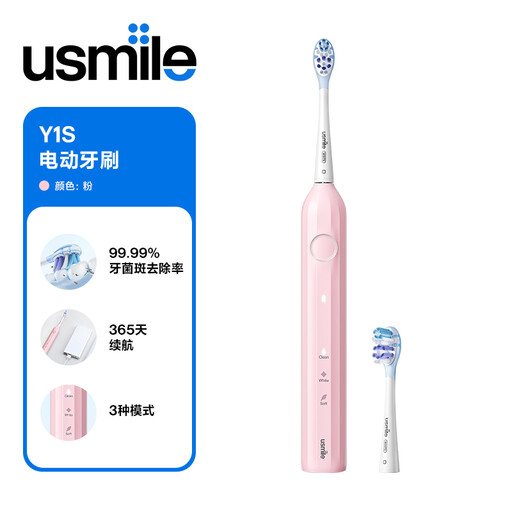
Why This Fits Their Persona: For those constantly on the move, whether for business or leisure, managing chargers is a hassle. This model is designed for maximum portability and minimum fuss.
It directly solves the battery life problem. A single charge provides up to six months of power, meaning you can leave the charger at home for most trips.
Exceptional battery duration and an included hard-shell travel case make it a complete, ready-to-go package for any journey.
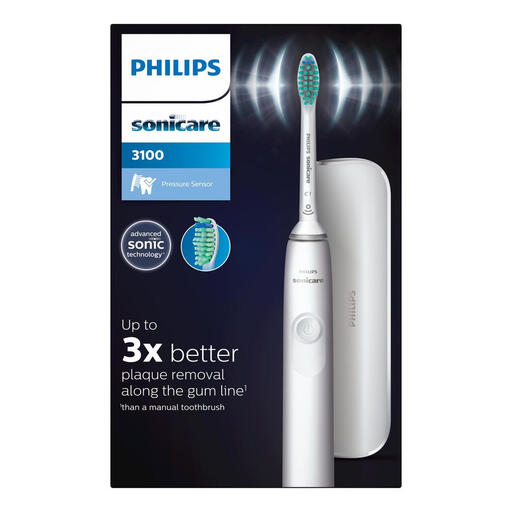
Why This Fits Their Persona: Ideal for someone moving from a manual brush who wants the core benefits of electric brushing from a recognised brand without being overwhelmed by features.
It avoids feature-bloat by focusing on the essentials: a pressure sensor to teach proper technique and a two-minute timer to build good habits.
The built-in pressure sensor provides immediate, tactile feedback, which is excellent for preventing gum damage as you adapt to sonic cleaning.
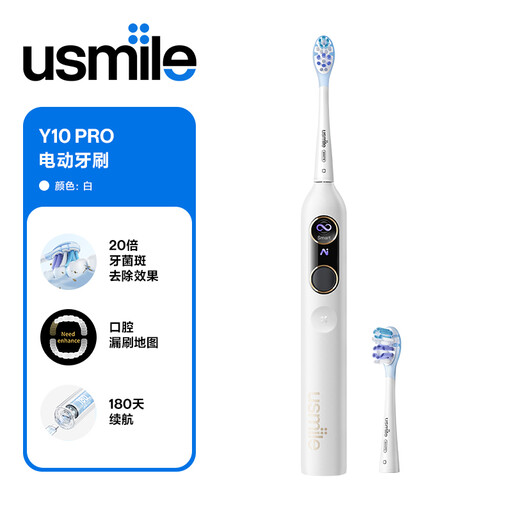
Why This Fits Their Persona: This is for the user who appreciates technology that provides direct, actionable feedback to improve their routine, without needing to open a smartphone app.
It sidesteps the app-gimmick trap by integrating a smart screen directly onto the handle, showing brushing coverage and alerts in real-time.
The on-device screen provides instant visual guidance on missed spots, while the 180-day battery life and four cleaning modes offer premium performance.
We have compiled a complete, real-time list of products that fully satisfy these strict selection criteria and UK safety regulations.
For most people, especially those new to electric toothbrushes, a pressure sensor is highly recommended. It's very common to apply too much force when brushing, which can damage gums and wear down enamel over time. The sensor provides a gentle alert—often a vibration or a light—to signal when you're pressing too hard, helping you develop a safer, more effective technique.
The handle of a well-made electric toothbrush should last for several years. The key running cost is the brush heads, which dentists recommend replacing every three months, or sooner if the bristles become frayed. The built-in battery is not typically replaceable, so choosing a model with a high-quality, long-lasting battery is a wise investment.
Many modern electric toothbrushes are moving towards standard USB-C charging ports, which adds a great deal of convenience as you can use the same cable as your phone or other devices. However, some models still use proprietary chargers or require specific power ratings. Always check the manufacturer's instructions to ensure you are using a compatible and safe power source to avoid damaging the battery.