
24/7 Customer Support

Free returns

Same-day & Next-day Delivery

Quality Guaranteed

Unlock Your Welcome Offers: FREE Delivery | Up to 80% OFF | Free 30-day JoyPlus trial
Download the APP
Switching from a manual brush can make daily cleaning more consistent, but choosing an electric toothbrush is not simply a matter of selecting the model with the highest vibration number. Marketing often highlights plaque removal, whitening and extended battery life while leaving out the details that affect everyday use.
Three common pitfalls are worth avoiding:
The right choice depends on your gums, brushing habits, travel routine, available socket and the ongoing cost of replacement heads.
A sonic electric toothbrush uses rapid vibrations to move the bristles, while an oscillating-rotating design uses a smaller round head that moves around individual teeth. Neither format is suitable for every user automatically. A smaller round head may feel easier to position tooth by tooth, whereas a sonic brush can feel more familiar to someone used to a larger manual brush.
Look at the brush-head shape, bristle softness and replacement-head availability rather than focusing only on vibration-per-minute figures. Very firm bristles or aggressive pressure can be uncomfortable for people with sensitive gums. Brush heads are generally consumable items, so check their price and availability before buying the handle.
An electric toothbrush with pressure sensor can be useful if you tend to scrub forcefully. Depending on the model, it may alert you with a light, sound or change in motor behaviour. This is guidance rather than a substitute for gentle technique.
A built-in electric toothbrush with timer should provide a two-minute cycle and, ideally, 30-second prompts to move between sections of the mouth. This feature can be more practical than several specialist modes because it helps establish a consistent routine.
Check whether the product includes a rechargeable battery, charging stand, USB cable or travel case. A waterproof electric toothbrush can normally be rinsed according to its stated rating, but charging components should not be submerged. Keep the charging port dry and follow the supplied instructions.
UK shoppers should also check the plug specification. Several models listed here use a UK 2-pin plug, commonly supplied for low-power bathroom appliances. If your socket is a standard three-pin UK socket, you may need a suitable adapter. This is a connection issue, not an indication of reduced product performance.
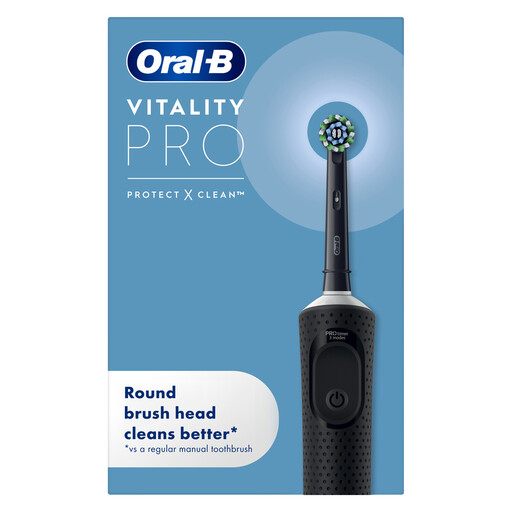
Why This Fits Their Persona: A straightforward rechargeable electric toothbrush for adults who want guided brushing without app connectivity or complex setup.
The two-minute timer and 30-second quadrant reminders make the advertised routine clear, while three modes include Sensitive and Sensitive Plus options.
Round brush head, pressure sensor, two supplied heads and a rechargeable battery rated for up to around 10 days of typical use.
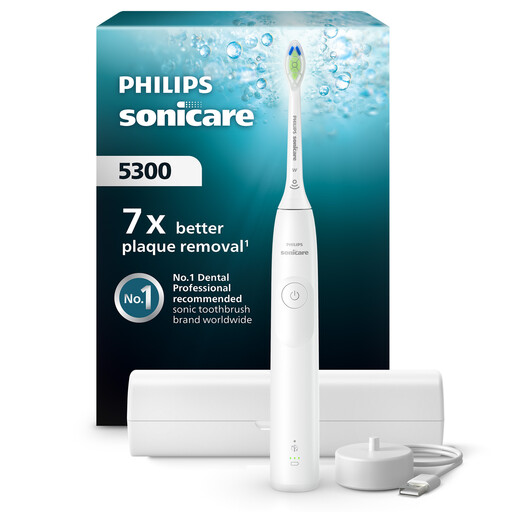
Why This Fits Their Persona: Suitable for shoppers who want sonic cleaning, guided brushing and a case for commuting, holidays or regular business travel.
Its pressure sensor, SmartTimer and QuadPacer provide visible or tactile guidance instead of relying on vague cleaning promises.
Three listed modes—Clean, White and Gum Care—plus BrushSync replacement reminders, up to two weeks’ battery life and a slim travel case.
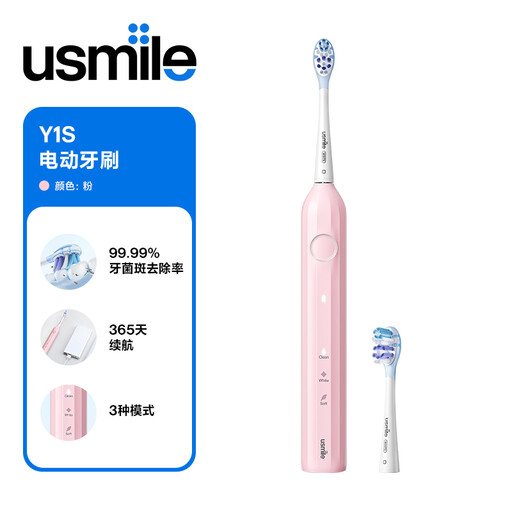
Why This Fits Their Persona: A practical option for people who do not want to pack a charger frequently or who spend extended periods away from home.
The stated six-month single-charge duration is clearly presented as a convenience feature, while the smart timer supports a defined two-minute routine.
Three cleaning modes, quadrant reminders, USB charging and a travel case. Actual runtime will vary with usage and mode.
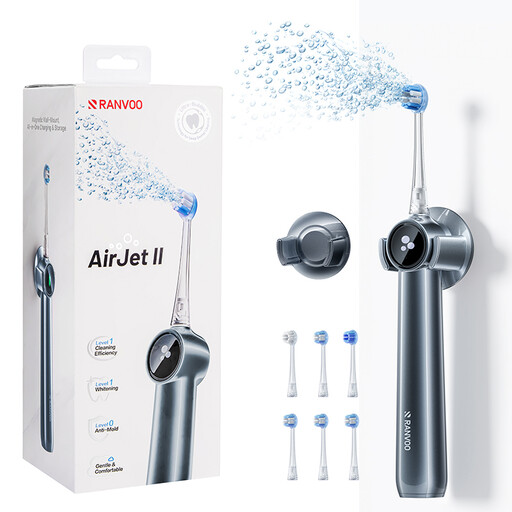
Why This Fits Their Persona: Designed for shoppers prioritising a gentle brush-head specification, multiple modes and a washable handle for bathroom convenience.
The listing identifies a Gentle mode, 0.01 mm ultra-soft bristles and a pressure-sensitive control panel, giving buyers specific features to assess.
Four modes, IPX7-rated body, magnetic charging stand and a stated battery duration of up to 50 days in Gentle mode.
Replacement heads are an important part of the total cost. Many manufacturers recommend changing a head around every three months, or sooner if the bristles become worn. Check whether the handle accepts widely available electric toothbrush replacement heads or a proprietary head type.
Rinse the brush head after every use and allow it to air-dry. Do not immerse a charger or charging base. If the handle becomes unusually hot, damaged or uncomfortable to use, stop using it and follow the manufacturer’s safety guidance. People with persistent gum discomfort or recent oral surgery should seek advice from a dentist before changing their brushing routine.
We have compiled a complete, real-time list of products that fully satisfy these strict selection criteria and UK safety regulations.
It depends on the battery and usage pattern. A shorter-runtime model may need weekly charging, while a long battery life electric toothbrush can last several weeks or months according to its stated rating. Charge it before travel and use only the supplied charger or a compatible certified USB source.
Some handles are water-resistant or carry ratings such as IPX7, but this does not make every component waterproof. Rinse the handle only as instructed, keep charging connections dry and never charge the brush while it is wet.
The handle is a higher initial purchase, but ongoing costs mainly come from replacement heads and electricity. Compare the price and availability of compatible heads, the recommended replacement interval and the charging method before deciding.