
24/7 全天候客户支持

免费退货

当日/次日达

品质保障

开启新人专享福利: 全场免邮 | 低至 2 折 | 免费试用 30 天 JoyPlus 会员
下载 Joybuy
An electric toothbrush is a cornerstone of a modern oral hygiene routine, but its effectiveness diminishes significantly with a worn-out head. Frayed or splayed bristles can't clean effectively, leaving plaque behind and reducing the benefits of your investment. To maintain peak performance, replacing the head regularly is essential.
Navigating the market for electric toothbrush replacement heads can be confusing, with various types, pack sizes and compatibility requirements to consider. This guide is designed to provide practical advice, helping you choose the right head for your toothbrush and your specific oral health needs. As your Joybuy Product Recommendation Officer, my goal is to help you make an informed decision without the marketing hype.
Before you add a pack to your basket, consider these key factors to ensure you get the right fit and function for your daily routine.
The most crucial factor is ensuring the head fits your toothbrush handle. Brands like Oral-B and Philips Sonicare have different fitting systems across their ranges. For example, Oral-B replacement heads with a round design will not fit their iO or Pulsonic models. Similarly, most Philips Sonicare heads use a click-on system, but this is not compatible with the Philips One handle. Always check the product packaging or online description to confirm it lists your specific toothbrush model. Using genuine toothbrush heads ensures a secure fit and optimal cleaning action.
Different brush heads are engineered for different outcomes. Consider what you want to achieve with your brushing routine:
Buying a toothbrush heads multipack is often more economical in the long run and means you will always have a fresh head ready when it is time for a change. For those looking to reduce their environmental footprint, a growing number of eco-friendly toothbrush heads are now available. These are often made from bio-based plastics or other sustainable materials, offering a more responsible way to maintain your oral care.
Here are a few standout options available in the UK, selected to meet different needs and preferences.
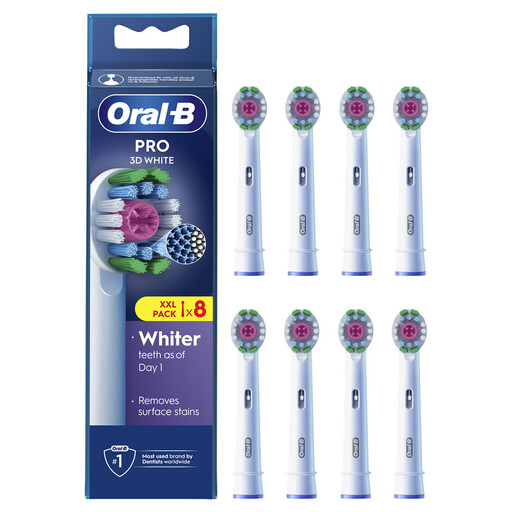
Why It Stands Out: This brush head is specifically designed for surface stain removal. It incorporates a dentist-inspired polishing cup in the centre of the bristles, which holds toothpaste to gently buff away stains for a naturally whiter appearance. The 8-pack offers excellent value, providing up to two years of replacements.
Pros:
Who is it for? Ideal for existing Oral-B users who are focused on achieving a brighter smile and removing daily surface stains as part of their cleaning routine.
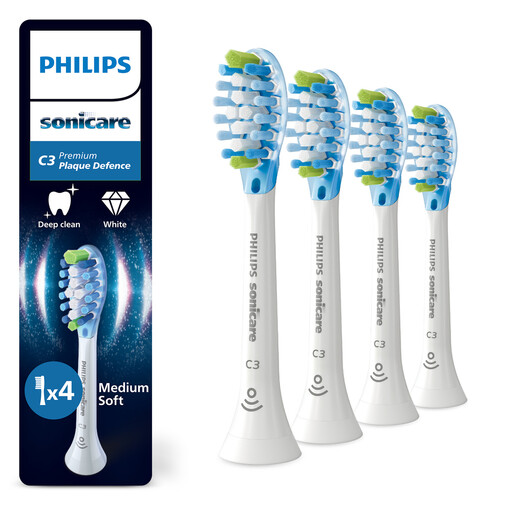
Why It Stands Out: This head is engineered for exceptional plaque removal. Its soft, flexible rubber sides allow the bristles to adapt to the unique contours of your teeth and gums, maintaining more surface contact for a deeper clean. It also features BrushSync technology, which tracks usage and automatically selects the optimal mode on compatible handles.
Pros:
Who is it for? A great choice for Philips Sonicare users who prioritise thorough plaque removal and gum health, especially those with a BrushSync-enabled toothbrush.
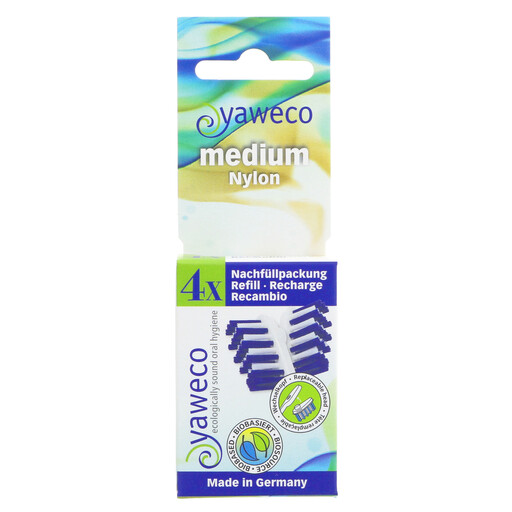
Why It Stands Out: The Yaweco refill heads are a leading choice for the environmentally conscious. Made primarily from biopolymers derived from sugar, with bristles made from castor oil instead of crude oil, this is a thoughtfully designed eco-friendly toothbrush head. The high-low bristle formation ensures an effective clean, particularly in hard-to-reach areas.
Pros:
Who is it for? Perfect for users of the Yaweco toothbrush system who want a high-performing, sustainable option that minimises plastic waste.
The recommendations above cover some of the most common needs, but the right choice is always a personal one. If you need a different head type, a specific brand or a different pack size, you can find more options in our complete collection.
Explore our full range of refill cassettes to find the perfect match for your toothbrush.
1. How often should I change my electric toothbrush head? Most manufacturers and dental professionals recommend replacing your brush head every three months. You should also replace it sooner if the bristles become visibly frayed, splayed or after an illness like a cold. Many modern heads, such as those from Oral-B and Philips, feature indicator bristles that fade over time to provide a clear visual reminder.
2. Are non-genuine or compatible replacement heads any good? While third-party compatible heads are widely available, using genuine toothbrush heads from the original manufacturer is recommended. This guarantees a perfect fit, ensures the head functions as designed with your handle's motor and prevents potential damage. An ill-fitting head may vibrate incorrectly or become loose, significantly reducing its cleaning effectiveness.
3. Can I use an Oral-B replacement head on a Philips Sonicare toothbrush? No, the heads are not interchangeable. Oral-B replacement heads are designed for the brand's oscillating-rotating technology, while Philips Sonicare heads are built for its high-frequency sonic vibration system. Each brand uses a unique fitting to connect the head to the handle, so you must buy heads that are specifically made for your toothbrush model.