
24/7 Customer Support

Free returns

Same-day & Next-day Delivery

Quality Guaranteed

Unlock Your Welcome Offers: FREE Delivery | Up to 80% OFF | Free 30-day JoyPlus trial
Download the APP
Switching from a manual to an electric toothbrush can feel like a significant step up for your oral health routine. However, the market is flooded with models boasting a dizzying array of features, making it difficult to distinguish genuine innovation from marketing hype. Many UK shoppers find themselves either overpaying for functions they never use or buying a model that fails to meet their basic needs.
Before you invest, it's crucial to understand the common pitfalls. Many buyers are caught out by:
rechargeable toothbrush can become expensive over its lifespan.travel electric toothbrush with a long-lasting battery and convenient charging (like USB-C) is essential.To make a sensible choice, focus on the core technology that directly impacts your cleaning results and oral health. Here are the non-negotiable factors to consider.
The two dominant technologies on the market offer different cleaning experiences, and the right one for you often comes down to personal preference.
Oral-B electric toothbrush, uses a small, round brush head that spins back and forth and pulsates. This design is intended to cup each tooth individually, sweeping away plaque. Many users find this provides a deep, powerful clean.sonic toothbrush uses a high-frequency vibration (tens of thousands of strokes per minute) to agitate the fluid and toothpaste around your teeth. This creates micro-bubbles that help dislodge plaque even in hard-to-reach areas. The brushing sensation is often described as gentler and quieter.One of the most common mistakes people make when switching from a manual toothbrush is applying too much force, which can lead to gum recession and enamel wear. An electric toothbrush with a pressure sensor is a vital feature that helps prevent this. It typically uses a light or a change in vibration to alert you when you are brushing too hard, training you to use the correct technique. This single feature can make a significant difference to your long-term oral health, especially if you have sensitive gums.
Look beyond the advertised "weeks of use" and check the battery type. Lithium-ion (Li-ion) batteries are generally preferable to older Nickel-Metal Hydride (NiMH) types, as they hold their charge for longer, deliver consistent power as they drain and have a longer overall lifespan. Also, consider the charging method. While the standard UK 2-pin bathroom plug is common, some models now offer USB-C charging, which is far more convenient for travel.
Instead of a one-size-fits-all approach, we've matched our recommendations to specific user needs and priorities.
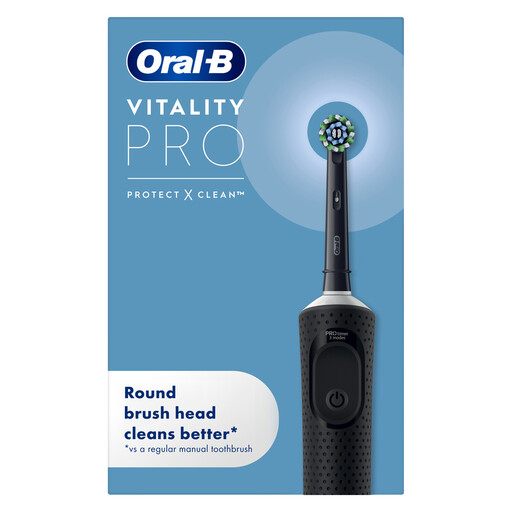
Why This Fits Their Persona: This model is ideal for anyone making their first move from a manual brush. It delivers the core benefits—a two-minute timer and superior cleaning action—without the intimidating price tag or complexity of a high-end `smart toothbrush`.
It avoids the "smart feature" trap by focusing purely on effective cleaning. You get the essential features that make a difference without paying for app connectivity you may not use.
It includes three brushing modes (Daily Clean, Sensitive and Sensitive Plus), offering versatility that is uncommon at this price point and making it suitable for users with sensitive gums.
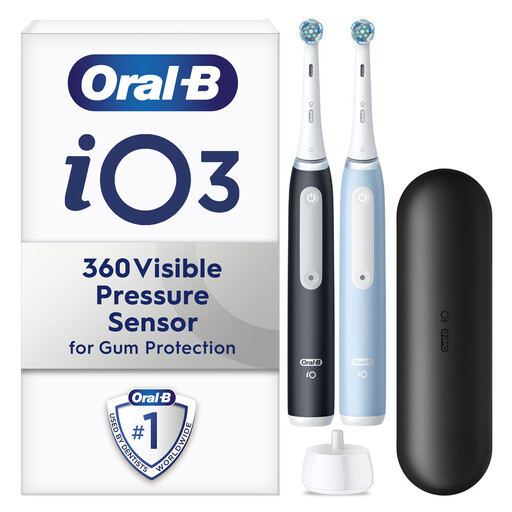
Why This Fits Their Persona: An `electric toothbrush duo pack` is a cost-effective solution for couples or families. This pack provides two modern, high-performance handles, offering better value than buying two separate units and ensuring both users get the same quality clean.
This pack directly addresses the cost-of-ownership issue by providing a complete, high-value setup for two people from the outset. It features modern iO technology, ensuring a long-term investment in quality oral care for the household.
Both users benefit from the advanced 360° visible pressure sensor and quiet iO micro-vibration technology—features typically found in more expensive single models. The interactive display adds a modern, user-friendly touch.
We have compiled a complete, real-time list of products that fully satisfy these strict selection criteria and UK safety regulations.
Most manufacturers and dental professionals recommend replacing your brush head approximately every three months, or sooner if the bristles become visibly frayed or worn. Worn bristles are less effective at removing plaque and can harbour bacteria. Some modern toothbrushes even have indicator bristles that fade or an on-handle reminder to signal when it's time for a change.
Yes, absolutely. Many people with sensitive gums find electric toothbrushes beneficial. Look for a model that specifically offers a 'Sensitive' or 'Gum Care' mode, which operates at a lower intensity. Crucially, ensure the model you choose has a pressure sensor. This will prevent you from brushing too hard, which is a primary cause of gum irritation.
The main difference is the motion of the brush head. An oscillating-rotating toothbrush has a small, round head that spins rapidly in one direction and then the other, while also pulsating in and out. A sonic toothbrush has a head that resembles a manual brush and vibrates from side-to-side at very high speeds. The choice is largely down to personal preference; some prefer the "polishing" feel of an oscillating head, while others prefer the gentler, sweeping sensation of a sonic brush.