
24/7 Customer Support

Free returns

Same-day & Next-day Delivery

Quality Guaranteed

Unlock Your Welcome Offers: FREE Delivery | Up to 80% OFF | Free 30-day JoyPlus trial
Download the APP
Moving from a manual to an electric toothbrush can feel like a significant upgrade for your oral hygiene routine. However, the market is flooded with models boasting features that sound impressive but often add little real-world value. Many UK shoppers find themselves navigating a maze of marketing claims, only to end up with a device that either underwhelms or comes with unexpected long-term costs.
As the Joybuy Product Recommendation Officer, my role is to help you sidestep these common purchasing pitfalls. Before you invest, let's look at the frequent traps to avoid:
travel electric toothbrush.smart toothbrush with app connectivity that tracks your every move sounds futuristic. In reality, many users abandon these complex apps after a few weeks. The most valuable "smart" features are the simple, built-in ones that directly improve your habits without needing your phone.To make a sensible choice, focus on the core technology and practical features that deliver a better clean, rather than on marketing buzzwords.
This is the fundamental difference in how electric toothbrushes work. Neither is universally superior, but your preference will dictate your daily experience.
Oral-B toothbrush, uses a small, round head that spins rapidly in one direction and then the other, while also pulsating in and out. This action is designed to physically sweep and scrub plaque away. Many find this provides a powerful, deep-clean feeling.sonic toothbrush, like those from Philips Sonicare and usmile, uses a head shaped more like a manual brush. It vibrates at extremely high speeds (tens of thousands of strokes per minute), agitating the fluid in your mouth (water, saliva and toothpaste) to create microbubbles that clean between teeth and below the gumline. This method is often described as less abrasive, which can be a consideration for an electric toothbrush for sensitive gums.Forget the apps for a moment and look for these two hardware features. They are essential for building good brushing habits and protecting your oral health.
A rechargeable toothbrush is the norm, but the details matter.
long battery life of several months are great for frequent travellers, but check that this is based on a standard two-minute, twice-daily routine.Instead of a one-size-fits-all approach, we've matched some well-regarded models to different user needs, helping you find a brush that genuinely fits your lifestyle.
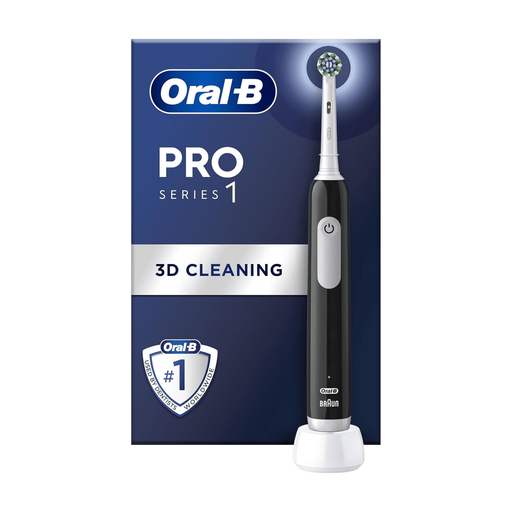
Why This Fits Their Persona: Ideal for anyone moving from a manual brush who wants proven performance without unnecessary complexity. It focuses on the essentials for a better clean, making it a reliable first step into electric oral care.
It avoids the "gimmicky smart features" trap by focusing on core functions. There's no app or complex connectivity—just the essential timer and pressure sensor that genuinely improve brushing habits.
Includes a visible pressure sensor and a 2-minute quad pacer timer. The round, oscillating-rotating head is effective for plaque removal along the gumline.
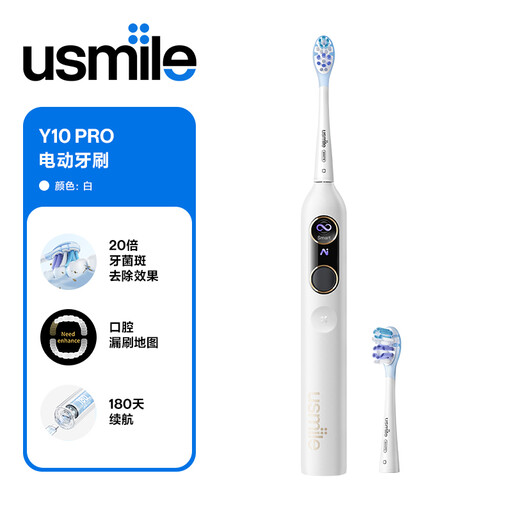
Why This Fits Their Persona: Perfect for frequent travellers or those who hate clutter. The exceptionally long battery life and USB-C charging mean you can leave the charger at home for months at a time. The smart screen offers useful feedback without app dependency.
It directly counters the "endless battery life illusion" by delivering a genuinely long-lasting charge suitable for extended travel. Its smart screen provides on-device feedback, avoiding the need for a separate, often-ignored smartphone app.
Features a claimed 180-day battery life and convenient USB-C charging. The integrated smart screen gives real-time feedback on brushing coverage and it includes four cleaning modes.
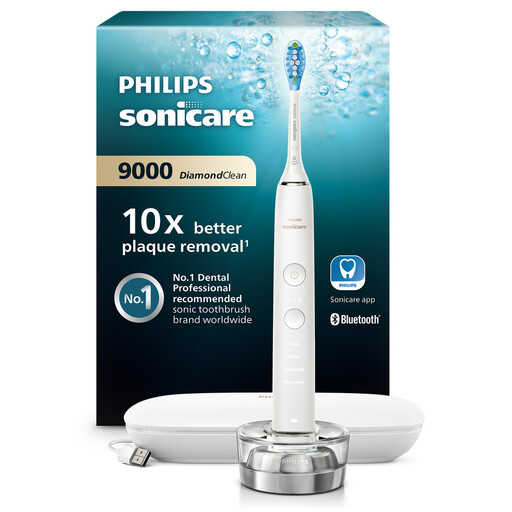
Why This Fits Their Persona: For the user who wants a top-tier experience and is willing to use advanced features. With multiple modes (including a `whitening toothbrush` setting) and intensity levels, it offers a highly personalised clean for specific goals like gum health or stain removal.
While it is a feature-rich smart toothbrush, its app and connectivity are designed to provide actionable coaching. It justifies its premium status with tangible customisation (4 modes, 3 intensities) rather than just gimmicks.
Powerful sonic technology with app-based guidance. BrushSync technology automatically selects the optimal mode for the attached brush head. Includes a premium charging travel case.
Many electric toothbrushes, particularly from brands like Oral-B and Philips, are sold with a 2-pin plug. This is designed to fit the shaver sockets found in many UK bathrooms. If your bathroom doesn't have one, you will need to purchase a simple 2-pin to 3-pin adapter to charge your toothbrush from a standard wall socket. Always check the product description to see what plug is included.
The widely accepted recommendation from dentists and manufacturers is to replace your brush head every three months. Over time, bristles fray and become less effective at removing plaque. Some brush heads even have indicator bristles that fade in colour to remind you when it's time for a change. Sticking to this schedule is crucial for hygiene and ensuring your brush performs as it should.
There is no definitive answer, as it often comes down to personal preference and technique. However, many users with sensitive gums report a more comfortable experience with a sonic toothbrush. The high-frequency vibrations clean without the aggressive scrubbing motion of an oscillating head. If you have sensitive gums, it's also vital to choose a model with a pressure sensor and use a "Sensitive" or "Gum Care" mode if available.