
24/7 Customer Support

Free returns

Same-day & Next-day Delivery

Quality Guaranteed

Unlock Your Welcome Offers: FREE Delivery | Up to 80% OFF | Free 30-day JoyPlus trial
Download the APP
Making the switch from a manual to an electric toothbrush can feel like a significant step up for your oral hygiene. Yet, the market is flooded with models boasting a dizzying array of features, making it difficult to know where to invest your money. As a Joybuy Product Recommendation Officer, my role is to help you see past the marketing clutter and focus on what truly matters for a cleaner, healthier smile.
Before you add a new rechargeable toothbrush to your basket, let's look at a few common pitfalls that UK shoppers often encounter.
To make a smart choice, focus on the functional specifications that directly impact cleaning effectiveness and gum health. Here are the non-negotiables to check.
The two dominant technologies on the market are oscillating-rotating and sonic. There isn't a single "better" one; it's about personal preference and what feels right for you.
If you're upgrading from a manual brush, a toothbrush with pressure sensor is arguably the most important feature to look for. Brushing too hard is a common habit that can lead to gum recession and enamel wear. A pressure sensor provides real-time feedback—usually a light that changes colour or a change in vibration—to alert you when you're applying too much force, helping to protect your gums.
Forget the dozen-plus modes you might never use. For most people, a few core settings are all that's needed:
Almost all electric toothbrushes now include a two-minute timer, often with a 30-second pacer that prompts you to move to the next quadrant of your mouth. This simple feature is incredibly effective at ensuring you brush for the recommended duration and cover all areas evenly.
To help you find the right fit, we've matched some popular models to different user needs.
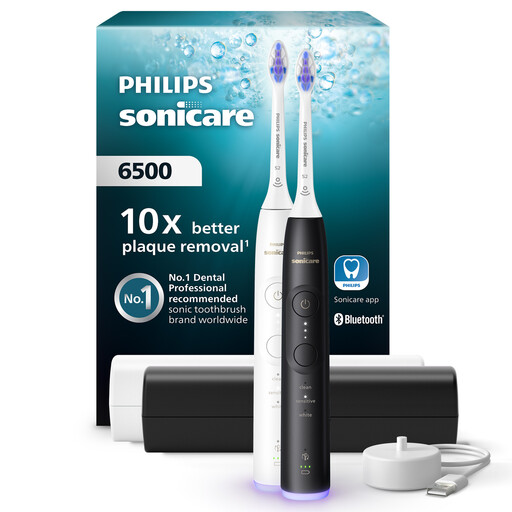
Why This Fits Their Persona: This Philips Sonicare duo pack is excellent for users who prioritise gum protection and a customisable clean. The sonic technology is often perceived as gentler, and with three modes and three intensity levels, each user can find their perfect setting. The included travel cases add convenience.
It helps manage the "hidden cost" of ownership. The BrushSync technology tracks your usage and reminds you when to replace the head, ensuring you get optimal performance for your money and don't use worn-out bristles.
Highly customisable with 3 modes and 3 intensities. The built-in pressure sensor and gentle sonic technology make it a strong choice for anyone with sensitive gums or a history of over-brushing.
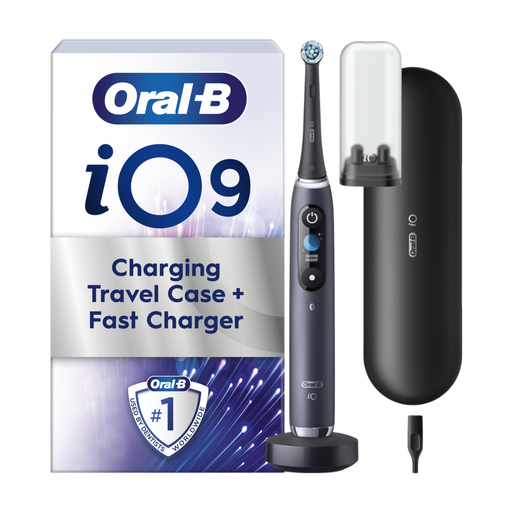
Why This Fits Their Persona: This is for the user who wants the most advanced technology and is committed to using it. The smart toothbrush features, like AI-powered 3D teeth tracking and real-time app feedback, provide actionable data to perfect brushing technique. The fast-charging and premium travel case also appeal to a user who values performance and convenience.
While it is a premium smart toothbrush, it justifies the investment for the right user. The AI tracking provides tangible guidance on coverage that you can't get from a standard brush, turning a potential gimmick into a genuinely useful coaching tool.
Features 3D teeth tracking with the Oral-B app for real-time guidance on all 16 zones of your mouth. The magnetic iO drive system provides a powerful but surprisingly quiet and smooth cleaning experience.
We have compiled a complete, real-time list of products that fully satisfy these strict selection criteria and UK safety regulations.
A: Most manufacturers, including Oral-B and Philips, recommend replacing your brush head every three months, or sooner if the bristles become frayed. Worn bristles are less effective at removing plaque. Some modern brushes even have an indicator on the handle or in an app to remind you when it's time for a change.
A: Yes, many people with braces or sensitive gums find electric toothbrushes beneficial. Look for models with a 'Sensitive' mode, which operates at a lower speed. Additionally, there are specialised brush heads, such as orthodontic heads, designed to clean effectively around brackets and wires. Always use a model with a pressure sensor to avoid applying too much force.
A: The 2-pin plug is the standard, legally-required plug for appliances used in UK bathrooms, such as electric toothbrushes and shavers. It is designed to fit the shaver sockets found in most modern bathrooms. If you do not have a shaver socket, you will need a simple 2-pin to 3-pin adapter to charge your toothbrush from a standard UK wall socket. This does not affect the performance or safety of the device.