
24/7 Customer Support

Free returns

Same-day & Next-day Delivery

Quality Guaranteed

Unlock Your Welcome Offers: FREE Delivery | Up to 80% OFF | Free 30-day JoyPlus trial
Download the APP
Choosing a rechargeable toothbrush can seem straightforward until you compare vibration technology, battery claims, cleaning modes, pressure sensors and travel accessories. A lower-priced model may cover the essentials, while a premium electric toothbrush may add app guidance and detailed brushing feedback. The right choice depends on which features you will genuinely use.
A high pulses-per-minute figure can look persuasive, but it does not tell you everything about daily usability. Brushing comfort, brush-head shape, intensity control and a reliable timer also affect how consistently you use the toothbrush.
A sonic electric toothbrush with several intensities may be more practical for someone with sensitive gums than a model promoted mainly around speed. Treat vibration figures as one specification, not a complete electric toothbrush comparison.
Battery estimates are normally based on limited brushing sessions and may vary with mode, intensity and charging habits. “Up to” six months or 180 days does not guarantee that exact result in every household.
Check the charging method as well. USB-C can be convenient in a hotel or at work, whereas a proprietary charging base may be less convenient when travelling. If you want a long battery life electric toothbrush, also consider replacement-head availability and whether the charging accessories are easy to pack.
An IP rating generally applies to the handle, not necessarily the charging base, cable or travel case. For example, an IPX7 or IPX8 handle may tolerate rinsing according to its instructions, but charging ports and power accessories should remain dry.
Always dry the handle and charging connection before charging. A waterproof electric toothbrush still requires sensible bathroom safety and should not be used if the handle, brush head or cable is damaged.
For everyday use, look for at least a standard clean setting and a gentler option. Multiple modes can be helpful, but only if the controls are simple enough to use consistently.
An electric toothbrush for sensitive gums should ideally offer low intensity, a soft or gentle brush head and pressure guidance. A pressure sensor can alert you when you are pressing too firmly, but it is not a substitute for a light touch or professional dental advice.
A built-in electric toothbrush with timer helps create a consistent routine. A two-minute timer with 30-second pacing signals can remind you to move between sections of the mouth. This is more useful than a timer that simply switches off without indicating when to change position.
For frequent travellers, compare:
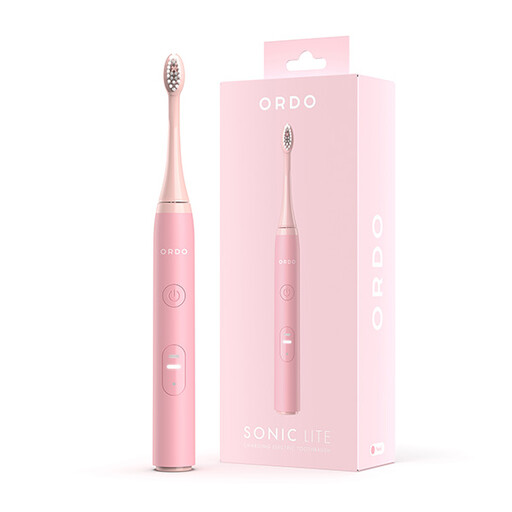
Why This Fits Their Persona: A straightforward option for UK shoppers moving from a manual brush without needing app connectivity or a large selection of modes. USB-C charging and a travel-friendly design suit everyday routines and short breaks away.
It focuses on useful essentials rather than making battery or smart-feature claims the main reason to buy. The two modes include a gentler setting.
35,000 pulses per minute, USB-C charging, two modes, a two-minute timer and a stated 5+ weeks of battery life.
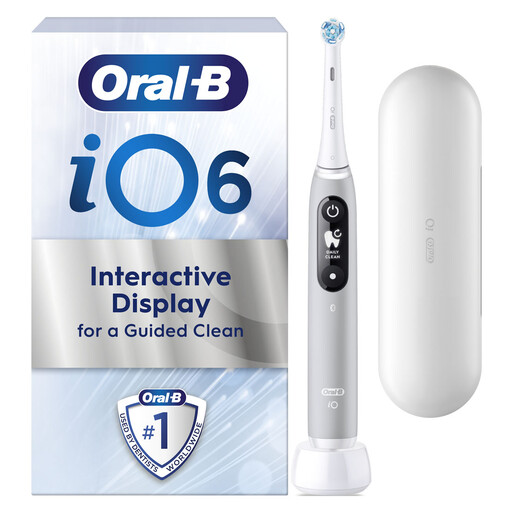
Why This Fits Their Persona: Suitable for buyers who value a polished interface, guided brushing and pressure feedback. The included travel case is useful for commuting, holidays and keeping the handle protected in a washbag.
The pressure sensor provides visible guidance, while the timer and app support more consistent brushing instead of relying on headline cleaning claims.
Five modes, a colour OLED display, app connectivity, pressure sensing, a two-minute timer and up to two weeks of stated battery life.
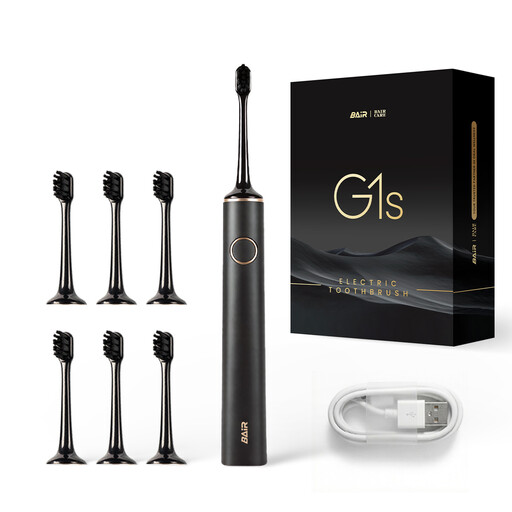
Why This Fits Their Persona: Designed for people who do not want to pack a charging base frequently. Its stated 90-day battery life, travel case and waterproof handle suit extended trips and shared UK work-travel routines.
The IPX7 rating is presented alongside practical charging guidance: dry the port before connecting USB power and keep the cable away from water.
Five modes, three intensities, a two-minute smart timer, IPX7 handle protection and a premium travel case.
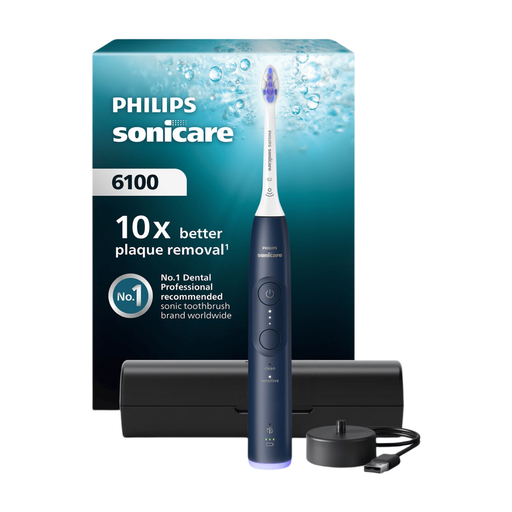
Why This Fits Their Persona: A practical choice for users who want adjustable intensity, gum-care settings and pressure feedback without relying on an app. The travel case adds convenience for regular overnight stays.
Three intensity levels and a visual pressure sensor offer more control than a single-speed model. BrushSync also provides a replacement reminder.
Clean, White and Gum Care settings, three intensities, pressure sensing, a two-minute QuadPacer timer and up to two weeks of stated battery life.
We have compiled a complete, real-time list of products that fully satisfy these strict selection criteria and UK safety regulations.
The handle is only part of the purchase. Allow for replacement brush heads, charging accessories and delivery costs when comparing prices. Most manufacturers advise replacing a brush head around every three months, although the correct interval depends on wear and the product instructions.
Do not assume that a large bundle automatically offers better value. Check whether the included heads are compatible with the handle and whether replacements are readily available in the UK. A smaller initial pack may be more economical if replacement heads are easier to source.
A rechargeable model avoids regular disposable batteries, so it may reduce ongoing battery purchases. Its running cost still depends mainly on replacement brush heads, charging electricity and the purchase price. USB charging can also be convenient if you already own compatible power adapters.
Battery life varies considerably. The products above list estimates from around two weeks to 90 days per charge, while some models advertise several months. Actual performance depends on brushing frequency, selected mode and battery condition. Follow the supplied charging instructions and replace the handle if the battery becomes damaged or unusable.
A rechargeable toothbrush is generally convenient for travel, but keep it switched off and protected in its case. Pack charging equipment with the handle and check your airline’s current baggage guidance, particularly for spare lithium batteries. Never charge the toothbrush if its port or cable is wet, and keep charging accessories dry.