
24/7 Customer Support

Free returns

Same-day & Next-day Delivery

Quality Guaranteed
Download the APP
Categories
Making the switch from a manual to an electric toothbrush can feel like a significant step up for your oral hygiene routine. However, the market is filled with a dizzying array of options, from straightforward sonic models to advanced AI-guided devices. How do you decide which one is right for you?
As a Joybuy Product Recommendation Officer, my role is to help you navigate these choices. This guide cuts through the marketing clutter to offer clear, practical advice, helping you find an electric toothbrush that fits your needs, preferences and budget.
Before diving into specific models, it helps to understand the core features that differentiate them. Focusing on these three areas will simplify your decision-making process.
Most electric toothbrushes use one of two main technologies. Oscillating-rotating heads (common in many Oral-B models) spin and pulsate to physically scrub away plaque. A sonic toothbrush, on the other hand, uses high-frequency vibrations (often tens of thousands per minute) to agitate fluid and plaque from the tooth surface, offering a different sensation that many users find less abrasive. The choice often comes down to personal preference.
The modern smart electric toothbrush has transformed daily brushing. These devices often connect to a smartphone app to provide real-time feedback on your technique, ensuring you don't miss any spots. Some advanced models now feature an AI toothbrush system with built-in screens or smart chargers that offer guidance without needing to open an app, tracking coverage, pressure and duration for a more consistent clean.
For those who travel or simply dislike constant charging, a long battery life electric toothbrush is a practical necessity. Some models can last for several months on a single charge. Additionally, a quality electric toothbrush with a travel case is essential for maintaining your routine on the go, keeping your brush head clean and protected.
Based on features, user convenience and overall value, here are our recommendations for individuals and families in the UK.
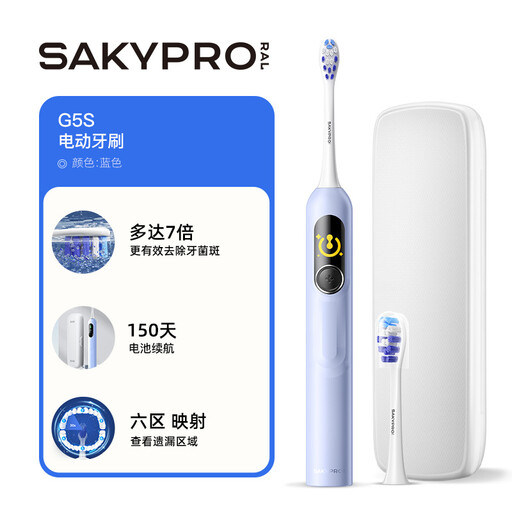
Why It Stands Out: This model cleverly integrates smart technology directly into the handle. The AI smart screen provides a real-time map of your mouth, guiding you through each quadrant without requiring a smartphone connection. This is paired with an exceptional battery performance, making it a standout for both tech enthusiasts and frequent travellers.
Pros:
Who is it for? The tech-savvy user who wants the benefits of an AI toothbrush without the fuss of a companion app. It's also an excellent choice for anyone prioritising convenience and exceptionally long battery life.
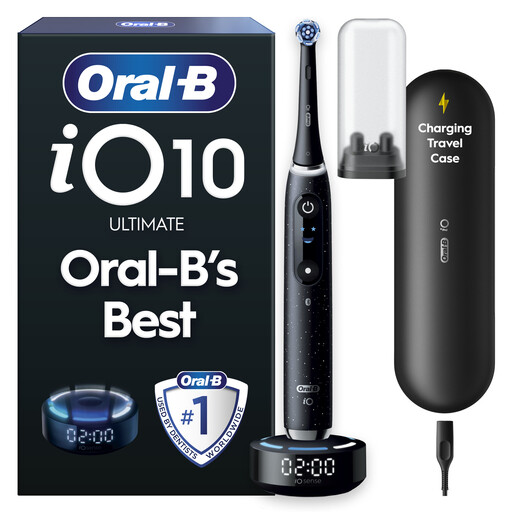
Why It Stands Out: The Oral-B iO10 represents a comprehensive oral care system. Its key innovation is the iO Sense smart charger, which provides live feedback on brushing time, pressure and coverage directly on the charging base. Combined with its magnetic drive technology and detailed 3D tracking via the Oral-B app, it offers a highly guided and personalised experience.
Pros:
Who is it for? The user who is serious about optimising their oral health and appreciates a data-driven approach. It is a premium option for those seeking a feature-rich, guided brushing experience.
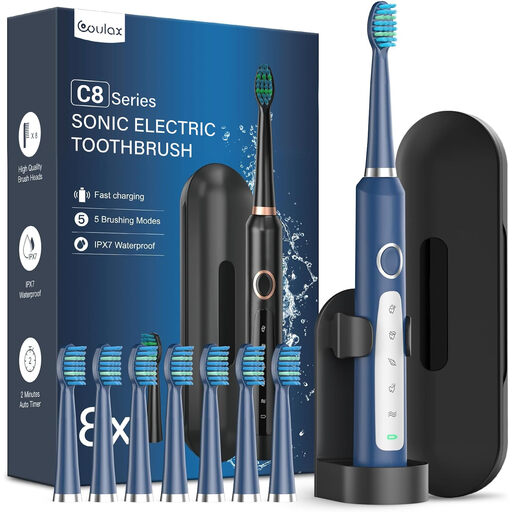
Why It Stands Out: This Coulax model delivers outstanding value and practicality. It combines powerful sonic toothbrush technology (up to 40,000 VPM) with an extremely long-lasting battery and a generous supply of accessories. The inclusion of eight brush heads provides up to two years of use, making it a very economical choice in the long run.
Pros:
Who is it for? Budget-conscious shoppers, families or anyone seeking a reliable and effective rechargeable toothbrush without the complexity of smart features. It is a perfect workhorse for daily cleaning.
If you have particular concerns, such as tackling stains from coffee or smoking, you might find a specialised model more suitable. Explore our curated selection of toothbrushes to find options designed for targeted stain removal.
Explore our range of smokers toothbrushes
How often should I replace my electric toothbrush head? Most manufacturers recommend replacing the brush head every three months or sooner if the bristles become frayed or worn. Some brush heads feature indicator bristles that fade over time to remind you when it's time for a replacement.
Is a sonic toothbrush better than an oscillating one? Both technologies are highly effective at removing plaque when used correctly. A sonic toothbrush uses high-speed vibrations, while an oscillating-rotating brush uses physical rotation and pulsation. The "better" option is largely a matter of personal preference regarding the brushing sensation and how it feels on your teeth and gums.
Can I use an electric toothbrush if I have sensitive gums? Yes, many electric toothbrushes are well-suited for sensitive gums. Look for models that offer a 'Sensitive' or 'Gum Care' mode, which operates at a lower intensity. A toothbrush with a pressure sensor is also highly recommended, as it will alert you if you are brushing too hard, helping to prevent gum irritation.