
24/7 全天候客户支持

免费退货

当日/次日达

品质保障

开启新人专享福利: 全场免邮 | 低至 2 折 | 免费试用 30 天 JoyPlus 会员
下载 Joybuy
Traditional flossing can feel like a chore, and for those with braces, implants or sensitive gums, it can be a genuinely difficult task. If you're looking for a more convenient and effective way to elevate your oral hygiene, an electric water flosser could be the perfect addition to your routine.
These devices, also known as an oral irrigator, use a targeted stream of water to dislodge food particles and plaque from between teeth and along the gumline. However, with so many models on the market, choosing the right one can be confusing. This guide is designed to cut through the clutter, helping you understand the key features to look for and highlighting a few standout options to consider.
When comparing models, focusing on a few key specifications will help you find a device that fits your lifestyle and dental needs.
Most modern oral irrigators are cordless, offering excellent flexibility. A portable water flosser is ideal for travel or for use in bathrooms with limited space and plug sockets. When looking at a cordless water flosser, pay close attention to battery life and charging method. A rechargeable teeth cleaner with a large capacity battery (measured in mAh) means less frequent charging. Models that use a standard Type-C charging port are particularly convenient, as you can use the same cable as your other devices.
The water tank determines how long you can floss before needing a refill. A larger tank (300ml or more) allows for a more thorough, uninterrupted clean. However, this often comes at the cost of a bulkier design. A smaller, more compact tank (under 300ml) makes the device lighter and more travel-friendly, but you may need to refill it mid-session to clean your entire mouth. Consider where and how you'll be using it most often.
Customisation is key, especially if you have sensitive gums, dental work or are new to using a water pick. Look for models with multiple pressure modes. A 'soft' or 'gentle' mode is great for beginners, while 'strong' or 'pulse' modes provide a deeper clean. The variety of included nozzles also adds to a device's versatility, with different tips designed for general use, orthodontic care or periodontal pockets.
Here are our recommendations based on features that cater to different user needs, from the daily user to the frequent traveller.
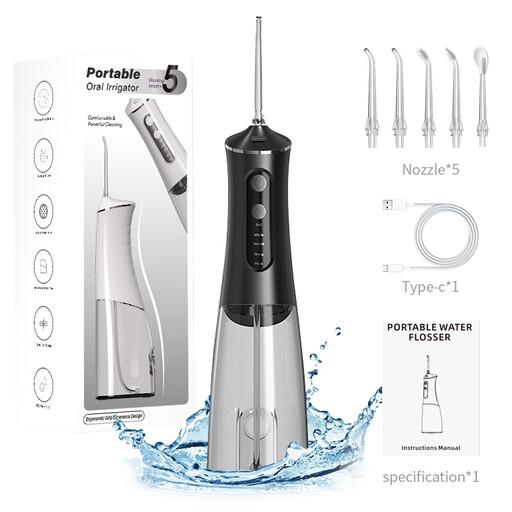
Why It Stands Out: This model strikes an excellent balance between power, capacity and battery endurance. Its five distinct pressure settings make it highly adaptable for various oral health requirements.
Pros:
Who is it for? This is a superb all-rounder for daily home use. It's ideal for individuals or couples who want a reliable, low-maintenance device with the flexibility to handle different cleaning needs without constant recharging.
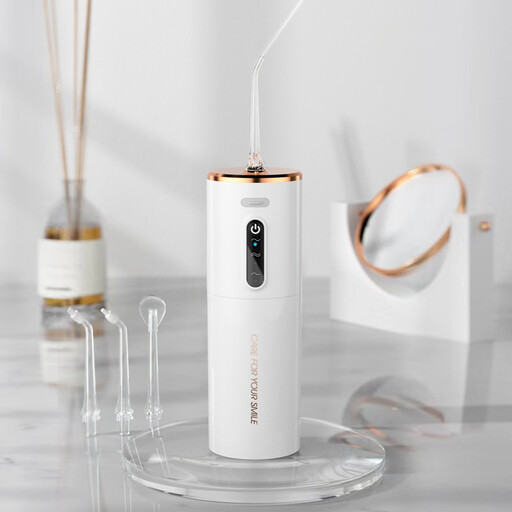
Why It Stands Out: With its streamlined design and focus on core functions, this model is perfect for those who value simplicity and portability. The fast-charging capability is a significant advantage for people on the go.
Pros:
Who is it for? This is an excellent choice for frequent travellers, students or anyone who prefers a minimalist, no-fuss approach to their oral care. Its quick charging and compact form factor are its biggest assets.
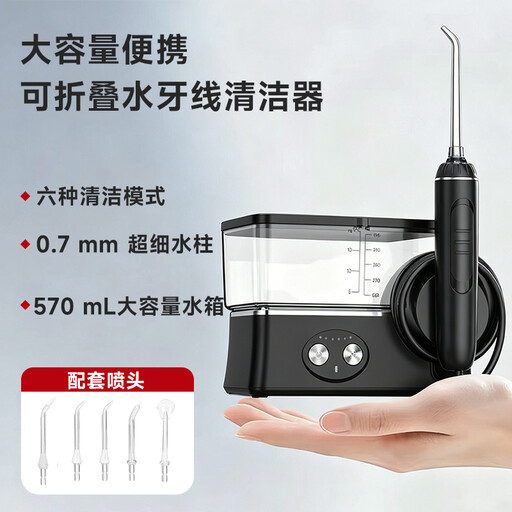
Why It Stands Out: This is a powerhouse device built for maximum performance and customisation. Its huge water tank and battery capacity set it apart, making it suitable for users who want the most thorough clean possible.
Pros:
Who is it for? This model is for the power user. It's perfect for families sharing a device (using different nozzles) or for individuals with complex dental work like braces who require longer, more intensive cleaning sessions and maximum customisation.
Upgrading your personal care routine is a great first step toward a healthier lifestyle. If you're also thinking about enhancing your home and leisure time, why not explore our collection of outdoor fun and pool accessories? They are perfect for relaxing after you've perfected your smile.
A water flosser and string floss serve slightly different functions and can be highly complementary. String floss is effective at scraping plaque from the surface of teeth. An oral irrigator excels at flushing out debris from between teeth and below the gumline, areas that are often hard to reach. It is particularly useful for cleaning around braces, bridges and implants. Many people find using both provides the most comprehensive clean.
It is generally recommended to use only lukewarm water. As noted in the safety warnings for many devices, using mouthwash, essential oils or other additives can potentially damage the internal components and seals of the flosser unless the manufacturer explicitly states it is safe to do so. Always check the user manual for your specific model.
For most people, using an electric water flosser once a day is sufficient to maintain good oral hygiene. Incorporating it into your evening routine, after brushing, is a popular and effective habit. However, you should always follow the advice of your dentist, who can provide a recommendation based on your personal dental health.