
24/7 Customer Support

Free returns

Same-day & Next-day Delivery

Quality Guaranteed

Unlock Your Welcome Offers: FREE Delivery | Up to 80% OFF | Free 30-day JoyPlus trial
Download the APP
Navigating the crowded aisles of energy drinks can feel overwhelming. With countless brands promising heightened focus, improved performance and great taste, it's easy to make a choice you might later regret. Many of us have experienced the pitfalls: the sudden energy slump after a sugary rush, or realising the drink we chose wasn't suited for our needs. As the Joybuy Product Recommendation Officer, my role is to help you see past the marketing and make an informed decision. Let's look at the common traps to avoid.
To find the right functional beverage, you need to look beyond the flashy can design. Here are the core parameters to analyse.
The first thing to check is the carbohydrate and sugar content. This determines how the drink delivers its energy.
Different drinks contain different active ingredients tailored to specific outcomes.
Caffeine is the primary active ingredient in most energy drinks UK consumers reach for. However, the amount can vary significantly. A standard 250ml can might contain around 80mg of caffeine (similar to a cup of coffee), while larger 500ml cans can contain 160mg or more. Always check the label for the total caffeine content per can and consume responsibly, keeping in mind the general guidance for adults is around 400mg of caffeine per day from all sources.
Based on these practical criteria, here are a few options suited to different needs and lifestyles.
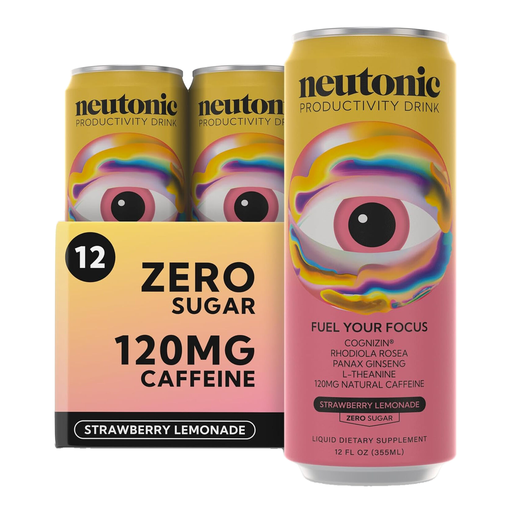
Why This Fits Their Persona: This is ideal for students, gamers or office workers needing sustained mental clarity. It's designed as a 'productivity drink' to support cognitive function during demanding mental tasks without unwanted calories.
Its zero-sugar formula completely avoids the sugar crash. It also moves beyond generic 'energy' by using a nootropic blend with L-Theanine and Panax Ginseng for targeted focus support.
Provides clean energy with a blend of nootropics designed to enhance focus and mental clarity, making it more than just a standard caffeine drink.
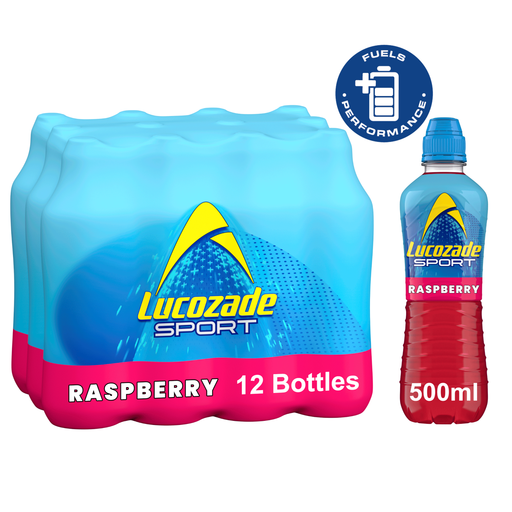
Why This Fits Their Persona: For runners, cyclists and gym-goers, hydration is as important as energy. This isotonic sports drink is formulated specifically to replenish fluids and electrolytes lost through sweat during prolonged exercise.
It sidesteps the 'one-size-fits-all' myth by being a dedicated sports drink, not a general energy drink. Its primary function is hydration and electrolyte replacement, which a standard caffeine drink cannot provide.
Its isotonic formula with sodium is designed to enhance hydration and help maintain performance during endurance exercise. The sports cap bottle is practical for use on the move.

Why This Fits Their Persona: For the person who relies on the classic, trusted energy boost and consumes it regularly. This bulk pack is perfect for stocking the home or office fridge, ensuring a can is always on hand.
This 24-pack directly counters the 'cost of convenience' trap. Buying in bulk significantly lowers the per-can price, making it a much more economical choice for regular consumers.
Offers the iconic and reliable Red Bull formula in a cost-effective multipack. It's a straightforward, no-fuss solution for consistent energy needs.
We have compiled a complete, real-time list of products that fully satisfy these strict selection criteria and UK safety regulations.
The primary purpose of an energy drink is to increase mental alertness and reduce feelings of tiredness, typically using caffeine as the main active ingredient. A sports drink, on the other hand, is formulated to aid hydration during physical activity. It contains electrolytes (like sodium) and carbohydrates to replace what the body loses through sweat and to provide fuel for muscles.
Sugar free energy drinks are a practical choice for individuals who want to avoid the extra calories and the potential "sugar crash" associated with high-sugar beverages. They use sweeteners to provide taste without impacting blood sugar levels in the same way. This makes them well-suited for sustained energy during work or study and for those on a calorie-controlled diet. However, it's always important to consume any caffeinated beverage in moderation.
In the UK, the general guidance for healthy adults is to consume no more than 400mg of caffeine per day from all sources (including coffee, tea and soft drinks). A single can of energy drink can contain anywhere from 80mg to over 200mg of caffeine. Always check the product label for the specific caffeine content and consume responsibly as part of a balanced diet and healthy lifestyle.