
24/7 全天候客户支持

免费退货

当日/次日达

品质保障

开启新人专享福利: 全场免邮 | 低至 2 折 | 免费试用 30 天 JoyPlus 会员
下载 Joybuy
By Joybuy Product Recommendation Officer
A small sachet can be useful when you are running, cycling or training for longer than usual, but not every product marketed as an energy gel serves the same purpose. Some are carbohydrate energy gels for endurance sessions, while others are high-caffeine pre-workout gels designed for use before exercise.
The difference matters. Choosing based only on flavour, bold packaging or phrases such as “rapid energy” can leave you with a product that does not match your training plan.
A pre-workout gel may contain a substantial amount of caffeine and ingredients such as creatine, beta-alanine or citrulline malate, but little or no carbohydrate. It is designed around stimulation and pre-exercise use rather than fuelling a long run.
By contrast, sports energy gels for running, cycling and triathlon usually list their carbohydrate content clearly per sachet. If you need fuel during a prolonged session, check the carbohydrate figure rather than assuming every gel provides it.
A zero sugar energy gel can still contain carbohydrates, such as maltodextrin. Applied Nutrition’s Endurance range, for example, lists 23.1g of carbohydrate and 0g of sugars per 60g serving. This may suit shoppers who want carbohydrate energy without sugar listed in the nutrition panel.
However, some carbohydrate gels contain both carbohydrate and sugars. MyProtein THE Energy Gel provides 30g of carbohydrate, including 10g of sugars per 60ml serving. Neither format is automatically suitable for everyone; the practical choice depends on your nutrition preferences and how your stomach responds during exercise.
An isotonic energy gel is formulated to be consumed directly, and some products state that no additional water is required for the gel itself. That does not mean it replaces your overall hydration strategy, particularly during a warm summer race or a long cycling session.
Treat the gel and your drink as separate decisions. Check the sodium and electrolyte content, carry sufficient fluids and follow the instructions on the pack.
For energy gels for running or cycling, compare the grams of carbohydrate per sachet. The products in this guide range from 23.1g to 40g per serving. A lower-carb sachet may be easier to fit into a conservative fuelling plan, while a 40g gel is a more concentrated option for prolonged activity.
Do not compare sachet weight alone. A 60g pouch does not necessarily contain 60g of carbohydrate; the remainder may be water, flavouring, minerals or thickeners.
A caffeinated energy gel can be useful for shoppers who already know how they respond to caffeine, but it should be counted alongside coffee, tea, energy drinks and other supplements.
Applied Nutrition Sprint Energy Gel lists 75mg caffeine per 60g serving, while Applied Nutrition ABE Pre Workout Gel lists 200mg caffeine per 60g serving. MyProtein THE Energy Gel Green Apple lists 230mg caffeine per 50g serving. These are materially different products, so read the label before choosing one.
High-caffeine products include age and pregnancy warnings. They may also be unsuitable if you are sensitive to caffeine, have a medical condition or take medication. When in doubt, ask a healthcare professional.
If you sweat heavily or train for extended periods, check the sodium, magnesium and chloride figures rather than relying on the word “electrolyte”. Applied Nutrition’s Endurance Elite Tri-Source gel lists 250mg sodium per gel, while its Sprint Energy Gel lists sodium, chloride and magnesium alongside caffeine.
For competitive athletes, an Informed Sport listing or batch-testing information may be an important purchasing filter. Always verify the current packaging and certification details, as formulations and product information can change.
The following cards match different shopping priorities rather than presenting one product as suitable for every athlete.
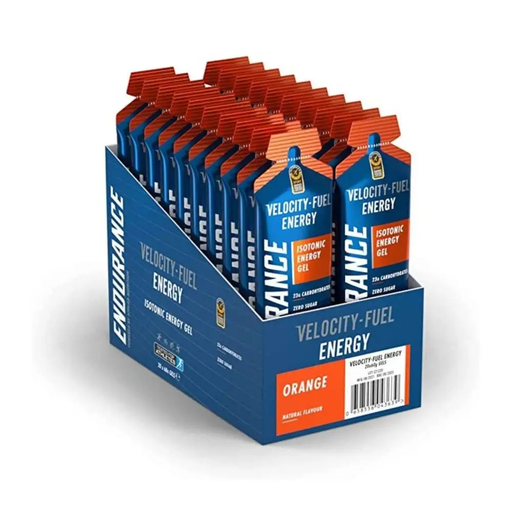
Why This Fits Their Persona: A straightforward starting point for UK runners and cyclists who want a caffeine-free sachet for longer training sessions.
It is clearly positioned as an endurance gel rather than a stimulant-heavy pre-workout product, with 23.1g carbohydrate and no caffeine per gel.
20 single-serve sachets; 23.1g carbohydrate per 60g gel; caffeine-free formula.
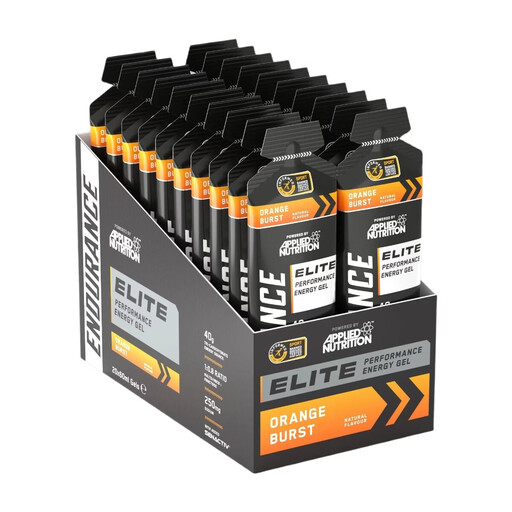
Why This Fits Their Persona: Designed for shoppers comparing higher-carbohydrate options for ultra-distance running, cycling or triathlon training.
The label specifies 40g carbohydrate, 250mg sodium and a tri-source carbohydrate blend, making the formulation easier to compare.
40g carbohydrate per gel; 250mg sodium; available in a 20-gel pack.
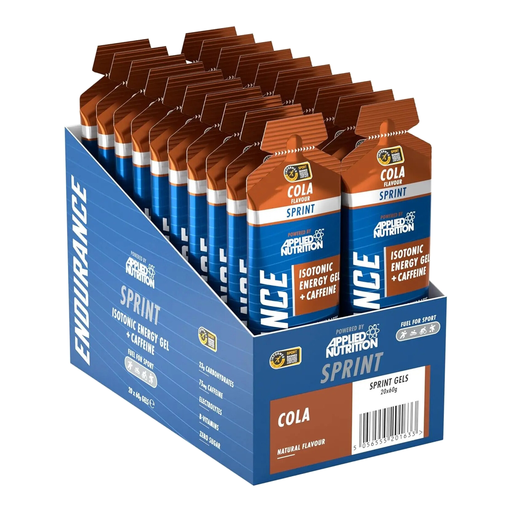
Why This Fits Their Persona: Suitable for active adults who specifically want carbohydrate, caffeine and electrolyte features in one portable gel.
Its caffeine quantity is stated as 75mg per serving, helping you track intake instead of guessing from promotional wording.
23.1g carbohydrate; 75mg caffeine; sodium, chloride, magnesium and B vitamins listed.
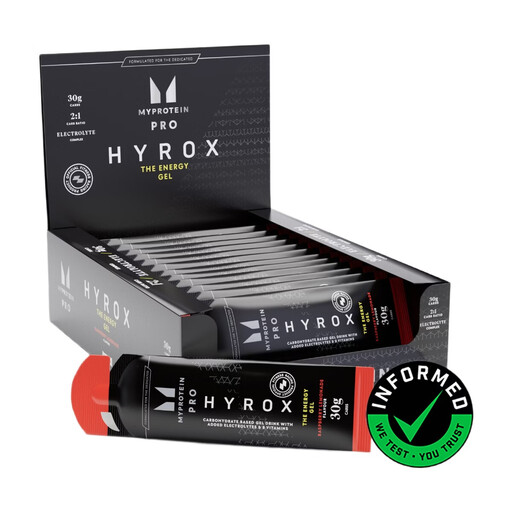
Why This Fits Their Persona: A practical option for athletes who want a larger carbohydrate serving with electrolytes for repeated long sessions.
The nutrition panel states 30g carbohydrate and 10g sugars per 60ml serving, so the carbohydrate-to-sugar balance is visible before purchase.
30g carbohydrate; magnesium and potassium included; pack of 20 sachets.
We have compiled a complete, real-time list of products that fully satisfy these strict selection criteria and UK safety regulations.
They can be convenient during prolonged exercise, but beginners should first establish whether they need additional carbohydrate at all. Start with a product whose carbohydrate and caffeine quantities are easy to understand, and test a small amount during training.
Some isotonic formulations are intended for direct consumption without extra water. Others recommend drinking water after taking the gel. Follow the individual product label and maintain normal hydration during exercise.