
24/7 全天候客户支持

免费退货

当日/次日达

品质保障

开启新人专享福利: 全场免邮 | 低至 2 折 | 免费试用 30 天 JoyPlus 会员
下载 Joybuy
As a UK-based endurance athlete, you know that what you put into your body is just as important as your training schedule. The market for endurance energy gels is crowded, with countless brands making bold claims. Choosing the wrong one can lead to wasted money, digestive issues mid-race or even the dreaded energy crash just when you need to perform. This guide cuts through the clutter to help you select the right fuel for your needs.
Before you buy your next batch of running gels, be aware of these common traps that can derail your performance and your budget.
To make an informed choice, focus on these three technical specifications. They are far more important than flashy packaging or flavour-of-the-month marketing.
Understanding this terminology is key to avoiding digestive issues.
For most endurance scenarios, an isotonic energy gel offers a balanced and gut-friendly solution, making it a reliable choice for marathon fuel.
The type of carbohydrate determines how energy is released. Most gels use maltodextrin, a complex carbohydrate that provides a steadier energy release than simple sugars like fructose or glucose alone. Some formulas combine different types of carbohydrates to utilise multiple absorption pathways, potentially increasing the rate of energy delivery.
A sugar free energy gel is an excellent option for athletes looking to avoid the sharp peaks and troughs associated with high-sugar products. These gels typically use maltodextrin as the primary energy source, providing sustained fuel for the long haul without the crash.
For any serious athlete in the UK, this is a critical checkpoint. Look for products that are Informed Sport certified gels. This certification confirms that every single batch of the product has been tested for substances prohibited in sport by a world-class anti-doping lab. It provides an essential layer of assurance that the product you are using is safer for competition. This is particularly important for runners, cyclists and triathletes competing in sanctioned events.
We've filtered the options based on the crucial parameters above. Here are three recommendations matched to different types of UK athletes.
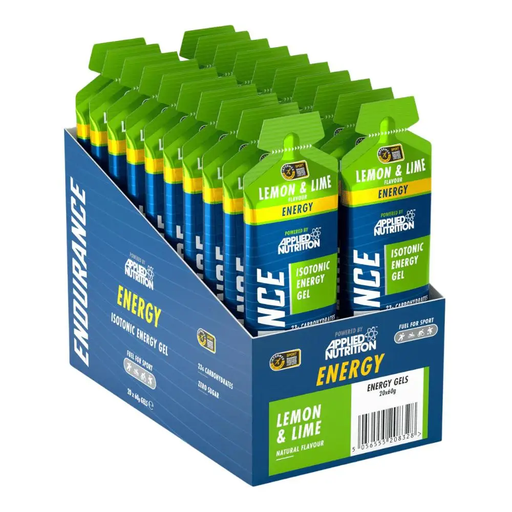
Why This Fits Their Persona: This gel is designed for athletes who leave nothing to chance. It's Halal certified, suitable for vegetarians and most importantly, Informed Sport approved, providing the assurance needed for competition. The multi-pack format is practical for a consistent training and racing season.
It directly counters the risk of uncertified supplements with its Informed Sport approval. The sugar-free formula, using maltodextrin, prevents the "sugar rush and crash" cycle.
Provides 23g of slow-releasing carbohydrates for sustained energy. The caffeine-free formula offers clean fuel without jitters.
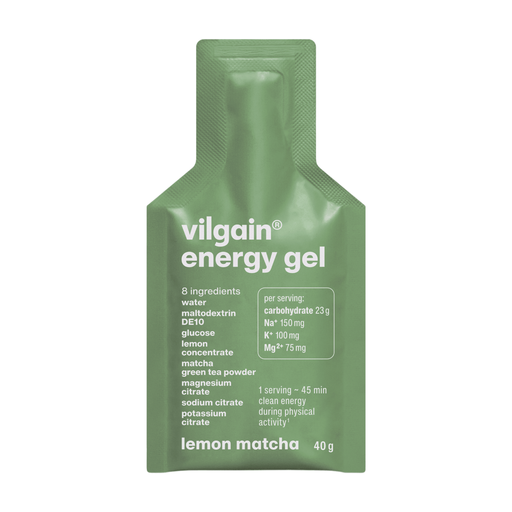
Why This Fits Their Persona: For the athlete who scrutinises ingredient lists, this gel stands out. It uses a blend of four organic simple carbohydrates and contains no artificial sweeteners or preservatives. The addition of matcha and electrolytes in citrate form appeals to those seeking functional, clean ingredients.
It avoids the "sugar crash" by using a thoughtful blend of four different organic carbohydrate sources for a more sustained energy supply, rather than a single, simple sugar spike.
Features a pure composition with organic ingredients. It also replenishes key electrolytes (magnesium, potassium, sodium) lost through sweat.
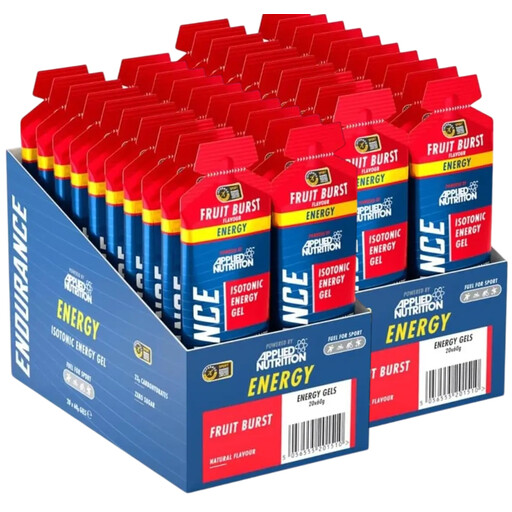
Why This Fits Their Persona: Marathon and ultra runners need a large, reliable supply of fuel that is easy on the stomach over many hours. This bulk pack offers great value, while the isotonic and zero-sugar formula is specifically designed to minimise digestive distress during prolonged exertion. It's also Informed Sport certified for peace of mind.
Its isotonic formulation is engineered to prevent the digestive issues that plague so many endurance athletes, as it's absorbed easily without needing extra water.
Delivers 23g of fast-absorbing carbohydrates for rapid energy. The zero-sugar formula provides clean fuel, and the bulk pack is economical for heavy users.
We have compiled a complete, real-time list of products that fully satisfy these strict selection criteria and UK safety regulations.
A common guideline for marathon fuel is to take your first gel around 45-60 minutes into the race, and then another every 45-60 minutes thereafter. However, this is highly individual. It's crucial to practise your fuelling strategy during your long training runs to see what works for your body.
While an isotonic gel is formulated for absorption without extra water, it's still vital to stay hydrated. Isotonic gels do not replace your regular hydration needs. You should continue to drink water or electrolyte drinks according to your hydration plan, especially in warm weather. The advantage is that you don't have to time your gel intake precisely with a water station.
For sustained, multi-hour endurance events, many athletes find sugar-free gels preferable. They provide energy from complex carbohydrates like maltodextrin, which helps to prevent the rapid blood sugar spikes and subsequent crashes associated with simple sugars. This can lead to more stable and consistent energy levels over a longer period.