
24/7 Customer Support

Free returns

Same-day & Next-day Delivery

Quality Guaranteed

Unlock Your Welcome Offers: FREE Delivery | Up to 80% OFF | Free 30-day JoyPlus trial
Download the APP
For any endurance athlete, whether you're tackling a marathon, a long-distance cycle or a triathlon, maintaining energy levels is crucial. That moment when your energy plummets, often called 'hitting the wall', can be the difference between a personal best and a difficult finish. Energy gels offer a convenient, portable and fast-acting source of fuel to keep you performing at your peak.
However, the market is filled with options, from isotonic gels to high carb energy gels, each with different formulations. Choosing the right one can feel overwhelming. This guide is designed to help you understand the key features to look for and provide some recommendations to help you find the ideal endurance fuel for your training and race day needs.
Selecting the right running gels or cycling gels depends on your personal physiology, the duration of your event and your nutritional strategy. Here are a few key factors to consider.
The primary purpose of an energy gel is to deliver carbohydrates for energy. Gels typically contain between 20g and 40g of carbohydrates. For shorter sessions, a standard 20-25g gel may suffice. For longer events (over two hours), a high carb energy gel with 40g or more might be more efficient, reducing the number of gels you need to carry and consume.
Look for products that use a dual-source energy blend, often combining maltodextrin and fructose. A ratio like 1:0.8 (maltodextrin to fructose) can increase the amount of carbohydrate your body can absorb per hour, while also being gentler on the stomach.
Carbohydrate gels come in different consistencies. Some are thick and require water to wash them down, while others have a lighter, more fluid texture. Isotonic gels are formulated to have the same concentration of dissolved particles as your body's fluids. This means they can be absorbed quickly without the need for extra water, making them a practical choice for on-the-go fuelling and helping to prevent bloating.
During prolonged exercise, you lose vital minerals through sweat, particularly sodium. Some electrolyte gels are specifically formulated to help replenish these losses. If you are a heavy sweater or competing in warm conditions, choosing a gel that contains sodium can be an important part of your triathlon nutrition or marathon gels strategy to help maintain hydration and muscle function.
Based on their formulation, carbohydrate content and features designed for endurance athletes, here are some standout options available on Joybuy.

Why It Stands Out: This gel is engineered for high-performance, long-duration events. It delivers a substantial 40g of carbohydrate per 60ml serving, using a dual-source formula with a 1:0.8 ratio of maltodextrin to fructose. According to Science in Sport, this ratio is designed to optimise carbohydrate uptake and minimise gastrointestinal discomfort, allowing athletes to aim for a high hourly intake of 80-120g.
Pros:
Who is it for? This is an excellent choice for serious endurance athletes undertaking events or training sessions lasting over two hours, such as marathons, ultra-marathons and long-course triathlons, who need a high level of fast acting energy for sport.
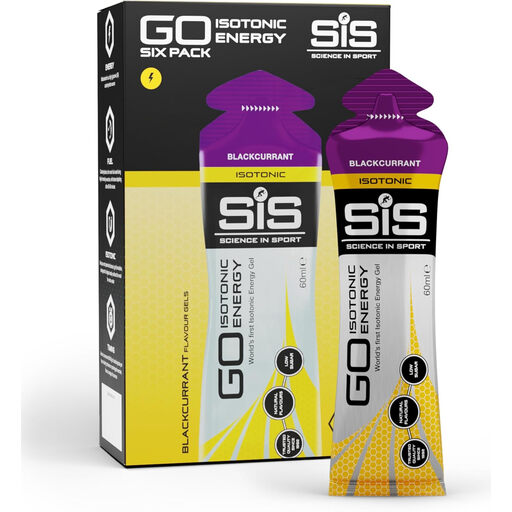
Why It Stands Out: As one of the original isotonic gels on the market, this product from Science in Sport is a popular choice for its convenience and digestibility. Its key feature is that it doesn't require you to drink water with it, making it incredibly practical for runners and cyclists who want to fuel without breaking their stride. Each gel provides 22g of carbohydrate for a rapid energy boost.
Pros:
Who is it for? Ideal for athletes of all levels looking for a convenient and proven fuelling option. It's particularly well-suited for runners and triathletes who value the ability to take a gel quickly without needing to reach for a water bottle. Many athletes consider these classic SiS gels a staple for their kit bag.

Why It Stands Out: This gel offers a sophisticated, multi-faceted approach to endurance nutrition. It delivers 40g of carbohydrate from three different sources (Maltodextrin, Fructose and Highly Branched Cyclic Dextrin) for a more sustained energy release. It also includes 250mg of sodium to help replenish lost electrolytes and is enhanced with Senactiv, an ingredient intended to support muscle cell renewal.
Pros:
Who is it for? This is a strong contender for competitive athletes and those focused on optimising every aspect of their performance and recovery. The inclusion of electrolytes makes it particularly suitable for long, hot sessions or for athletes who tend to sweat heavily.
Finding the perfect energy gel often comes down to personal preference in flavour, texture and formulation. If the options above aren't quite what you're looking for, or if you simply want to explore a wider variety of brands and types, we have a comprehensive selection.
? Explore our full range of Performance Gels here
1. How often should you take energy gels during a race? A common guideline is to consume one gel every 45-60 minutes after the first hour of exercise. However, this can vary. High-carb strategies for elite athletes may involve taking up to 120g of carbohydrate per hour, which could mean consuming a 40g gel every 20 minutes. It's vital to practise your fuelling strategy in training to see what works for you.
2. Do you need to drink water with all energy gels? Not necessarily. Isotonic gels are designed to be absorbed without additional water. For other, more concentrated gels (often called hypotonic), it is recommended to consume them with a few sips of water to aid digestion and absorption. Always check the manufacturer's instructions.
3. Can energy gels cause stomach problems? Gastrointestinal (GI) distress is a common concern for endurance athletes. It can be caused by consuming too much carbohydrate at once, dehydration or using a product that doesn't agree with your system. To minimise risk, choose gels with proven carbohydrate ratios (like 1:0.8 maltodextrin to fructose), stay hydrated and most importantly, test your chosen gels and fuelling plan thoroughly during training sessions, not on race day.