
24/7 Customer Support

Free returns

Same-day & Next-day Delivery

Quality Guaranteed

Unlock Your Welcome Offers: FREE Delivery | Up to 80% OFF | Free 30-day JoyPlus trial
Download the APP
Spending long hours at a desk is a reality for many of us, whether in a corporate building or a home office. The consequence is often nagging lower back pain, stiff shoulders and general discomfort that can disrupt focus and productivity. A standard chair simply isn't designed for prolonged use, but the right ergonomic office chair can make a significant difference to your daily comfort and long-term well-being.
This guide is designed to help you navigate the options. We'll outline the key features to look for and present a few carefully selected recommendations to help you find a chair that supports your body, not works against it.
Choosing a new desk chair for long hours can feel overwhelming. To simplify the process, focus on these practical considerations.
A truly ergonomic chair adapts to you, not the other way around. Look for an adjustable computer chair with multiple points of customisation. Key features include:
The materials of a chair directly impact comfort, especially over an eight-hour day. A mesh office chair is a popular choice in the UK for its excellent breathability. The open weave allows for continuous air circulation, which helps regulate body temperature and prevent discomfort. The seat cushion is equally important. High-density foam provides a supportive yet comfortable base that resists flattening over time, ensuring consistent support.
An office chair is an investment in your health, so durability is key. Look for chairs built with a sturdy metal frame and high-quality castors. While not always advertised, many reputable chairs are tested against industry standards like BIFMA (Business and Institutional Furniture Manufacturers Association) or EN 1335. These certifications indicate that the chair has passed rigorous tests for safety, stability and performance, giving you confidence in its construction.
Based on their features, adjustability and user-focused design, here are our standout recommendations for 2026.
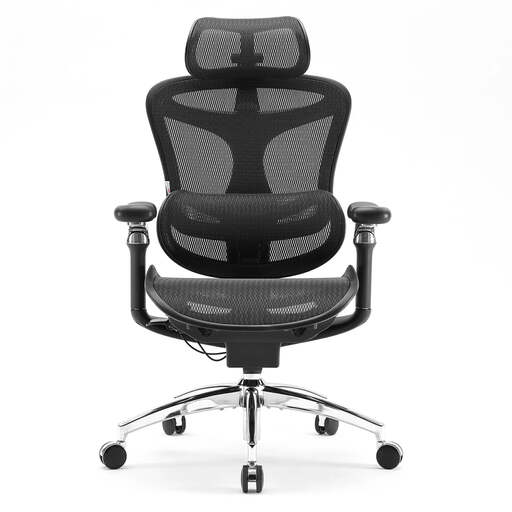
Why It Stands Out: The Doro C300 Pro is engineered for a high degree of personalisation. Its most notable feature is the ultra-soft 6D armrests, which offer an exceptional range of motion—up, down, forwards, backwards, in, out and pivot—to perfectly support your arms and shoulders in any task. This is paired with a self-adaptive dynamic lumbar support system that flexes and shifts with your body, providing continuous support as you move.
Pros:
Who is it for: Professionals and remote workers who spend the majority of their day seated and require maximum ergonomic fine-tuning to alleviate strain and maintain focus.
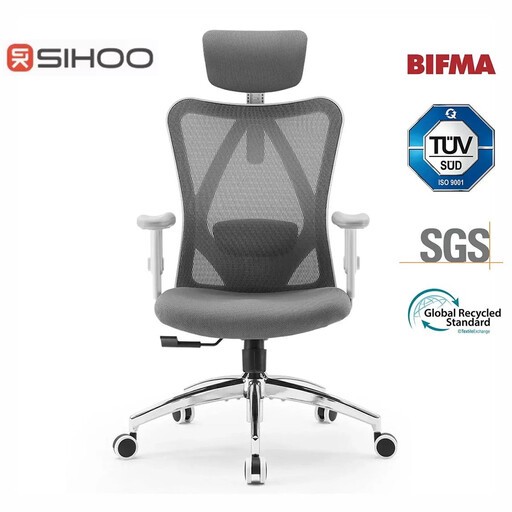
Why It Stands Out: The SIHOO office chair M18 model provides a comprehensive set of ergonomic features in a well-rounded package. It offers five key adjustment points, including the backrest, headrest, seat height, armrests and tilt. The W-shaped seat cushion is designed to centre your posture and features a waterfall edge to relieve pressure on the back of your legs, promoting healthy circulation.
Pros:
Who is it for: Those seeking a reliable and highly functional home office chair that delivers on core ergonomic principles. It's an excellent upgrade from a basic chair for anyone working a standard 9-to-5 from their desk.
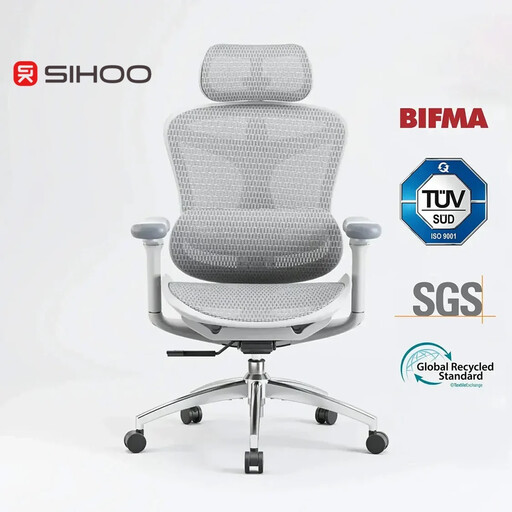
Why It Stands Out: The Doro C300 offers many of the advanced features found in the Pro model, making it a strong contender. It includes the same self-adaptive lumbar support and an intelligent weight-sensitive mechanism that ensures a balanced recline. The main difference lies in the 3D armrests, which still offer excellent adjustability (height, forward/backward and pivot) and synchronise with the chair's recline.
Pros:
Who is it for: Users who want the innovative dynamic support system of the Doro series but do not require the micro-adjustments of 6D armrests. It strikes an excellent balance between cutting-edge features and practical application.
While these recommendations represent some of the most effective solutions available, the perfect chair is a personal choice. If you have different requirements or are looking for another style, there are many other models to consider.
Browse our full collection of back support office chairs to find the ideal fit for your workspace.
For alleviating back pain, a chair with lumbar support is the most critical feature. Ideally, this support should be adjustable in height and depth to match the curve of your spine. Dynamic systems that move with you offer the added benefit of continuous support, which helps reduce muscle fatigue and encourages a healthy posture throughout the day.
This often comes down to personal preference. A mesh office chair provides superior airflow, making it an excellent choice for staying cool and comfortable, particularly in warmer environments. Fabric chairs can offer a softer feel and may come in a wider variety of colours, but they are less breathable. For long-term sitting, the breathability of mesh is a distinct advantage.
A well-made ergonomic chair should be a long-term investment, typically lasting between 7 and 10 years with regular use. Longevity depends on the quality of the materials, such as a steel frame versus a plastic one, and the durability of the mechanism and gas lift. Chairs that have passed durability tests, like those under BIFMA standards, are built to withstand the demands of daily use.