
24/7 Customer Support

Free returns

Same-day & Next-day Delivery

Quality Guaranteed

Unlock Your Welcome Offers: FREE Delivery | Up to 80% OFF | Free 30-day JoyPlus trial
Download the APP
With more of us working from home or in hybrid roles, the dining chair or sofa is no longer a viable long-term workspace. Aches, pains and a lack of focus are common complaints after hours spent in an unsupportive seat. An ergonomic office chair is not a luxury; it's a fundamental tool for maintaining comfort and productivity throughout your workday.
However, the market is filled with options, making it difficult to know where to start. This guide is designed to help you understand the key features to look for and to present some carefully considered recommendations for different needs and preferences.
Before diving into specific models, let's cover a few practical points to consider during your search. Focusing on these areas will help you find a chair that truly fits you and your workspace.
A chair is only ergonomic if it can be adjusted to fit your body. Look for multiple points of adjustment to achieve a supportive posture. Key features include:
The material of your chair affects both comfort and maintenance. The most common options each have their own benefits:
Think about how you will spend most of your time in the chair. A standard home office chair might be sufficient for a few hours of work a day, but for a full eight-hour shift or intense gaming sessions, you may need more. A high back computer chair provides support for your entire back, neck and head, while a reclining office chair with footrest offers an added layer of comfort for taking breaks. A swivel desk chair with castors offers mobility, whereas a static chair can be better for protecting certain types of flooring.
Here are a few standout options that cater to different requirements, from aesthetic design to all-day ergonomic support.
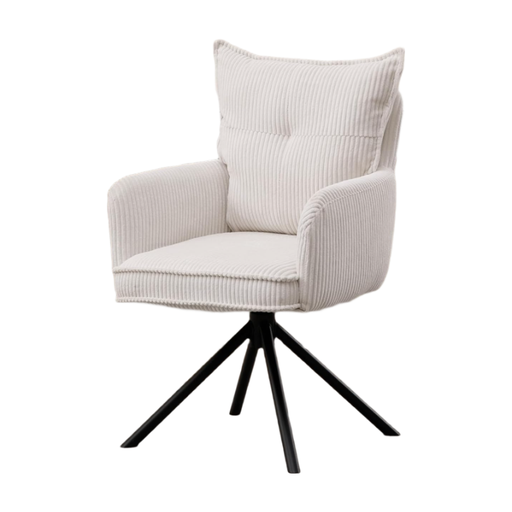
Why It Stands Out: This chair blends functional design with a modern aesthetic that elevates a home office. Instead of a typical office look, its soft corduroy fabric and double-layer upholstered backrest offer a comfortable and stylish seating solution. The base is a sturdy metal frame with a 360-degree swivel mechanism but no wheels, making it a stable choice that won't damage wooden floors. The widened seat and integrated lumbar support are designed for comfort during work, study or even as a vanity chair.
Pros:
Who is it for? This is an excellent choice for those who prioritise style and comfort in a home office or study and do not require the mobility of a wheeled chair.
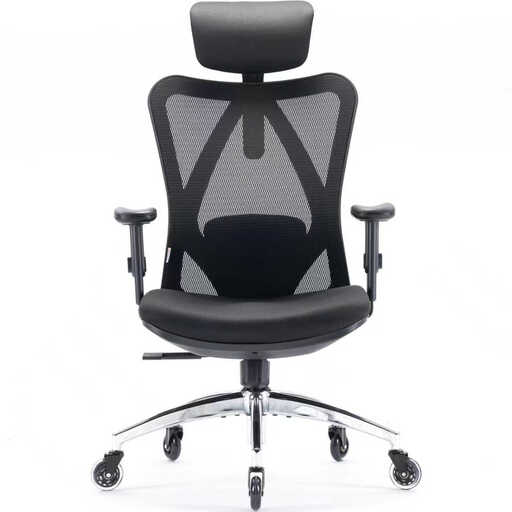
Why It Stands Out: For the user who needs maximum adjustability, the SIHOO M18 is a strong contender. It features five distinct ergonomic adjustment points: headrest, backrest, seat height, armrests and tilt. This allows you to fine-tune the chair to your specific body shape and posture needs. The breathable mesh backrest is a key feature, ensuring you stay cool and comfortable even after hours of continuous work. The chair has passed BIFMA and SGS certification and its robust construction supports a maximum weight of 150 kg.
Pros:
Who is it for? Professionals, remote workers and students who spend the majority of their day seated and require a high degree of personalised ergonomic support.
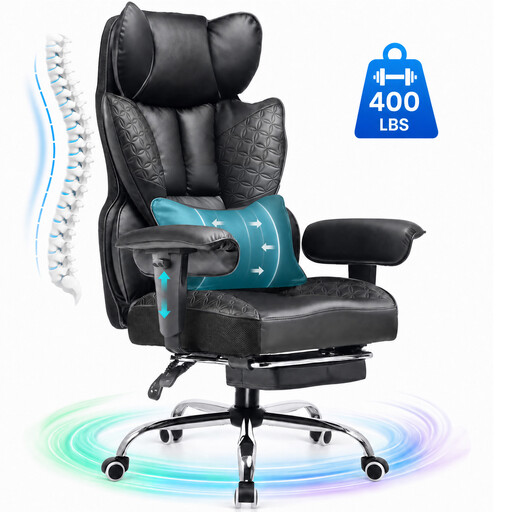
Why It Stands Out: This chair bridges the gap between a dedicated gaming chair and a functional office chair. Its main appeal is versatility. The high back design, complete with lumbar and neck pillows, provides full-body support. The standout feature is the reclining function with a retractable footrest, allowing you to lean back and relax completely during breaks from work or gaming. Its heavy-duty build and executive styling make it a durable option for a multi-purpose home setup.
Pros:
Who is it for? Gamers, streamers or home office workers who want a single chair that serves for both intense focus and complete relaxation.
Our recommendations cover a range of common needs, but we understand everyone's requirements are unique. If you're looking for a more compact design or a different style of task chair, you may find your ideal match in our broader collection.
? Explore our full range of typist chairs and other office seating solutions.
An ergonomic chair is defined by its adjustability. Rather than a one-size-fits-all approach, it is designed to be adapted to the user's individual body shape and size. Key features that make a chair ergonomic include adjustable seat height, seat depth, backrest angle and lumbar support. The goal is to promote a healthy posture that reduces strain on the spine, neck and joints.
This depends on your personal preference and environment. A mesh office chair excels in breathability, making it ideal for warmer rooms or for people who tend to feel hot while sitting for long periods. A fabric chair often provides a softer, more cushioned feel and is available in a wider range of colours and textures to suit your home decor.
Yes, many people find a gaming chair to be a comfortable option for office work. They often share key ergonomic features with office chairs, such as a high back, adjustable armrests and lumbar support pillows. Features like a deep recline and a footrest can also be a welcome addition for taking breaks. The main difference often comes down to aesthetics, as gaming chairs tend to have a more pronounced, racing-style design.