
24/7 Customer Support

Free returns

Same-day & Next-day Delivery

Quality Guaranteed

Unlock Your Welcome Offers: FREE Delivery | Up to 80% OFF | Free 30-day JoyPlus trial
Download the APP
Spending hours at a desk, whether for work, study or gaming, can take a toll on your body. That persistent lower backache, stiff neck and general discomfort are common complaints that can hinder focus and productivity. An ergonomic office chair isn't a luxury; it's a fundamental tool for maintaining comfort and supporting your posture throughout the day.
Navigating the market, however, can be confusing. With countless models all claiming to be the solution, it's hard to know what truly matters. Our goal is to help you understand the key features to look for and present a few carefully selected options that deliver on their promises. This guide is designed to provide practical advice to help you find a chair that fits your body and your needs.
Before diving into specific models, let's outline the core features that define a quality ergonomic chair. Focusing on these elements will help you make a more informed decision.
A one-size-fits-all approach rarely works for seating. A truly effective adjustable desk chair should allow you to tailor it to your unique body shape and desk setup. Key adjustments to look for include:
Proper back support is non-negotiable, especially for a chair for long hours. A quality desk chair with lumbar support will have a curved backrest that follows the natural 'S' shape of your spine. Look for chairs with adjustable lumbar support, which allows you to position the support precisely in the small of your back. For those who want full-body support, a high back computer chair that includes a headrest can help reduce strain on the neck and shoulders.
The materials of a chair affect both comfort and longevity. A breathable mesh chair is an excellent choice for promoting air circulation, which helps keep you cool and comfortable during long sessions. Padded fabric or leather chairs offer a different feel and aesthetic. Regardless of the surface material, pay attention to the frame and base. Certifications like BIFMA (Business and Institutional Furniture Manufacturers Association) indicate that a chair has passed standardised tests for safety and durability.
Based on features, user feedback and overall value, here are our recommendations for individuals seeking to upgrade their seating.
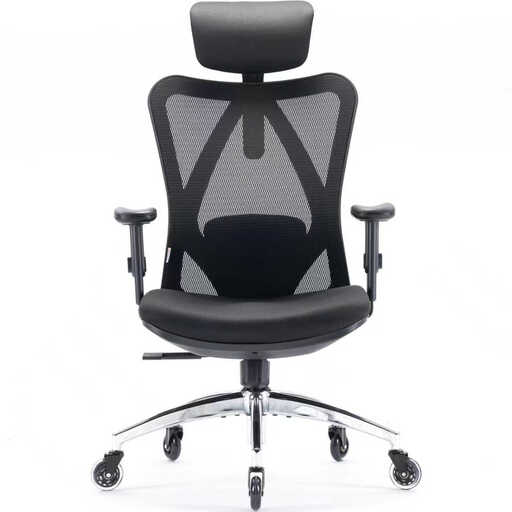
Why It Stands Out: The SIHOO M18 is a versatile all-rounder that balances a comprehensive set of ergonomic features with a reasonable price point. Its five points of adjustment—including the headrest, backrest, armrests and seat height—provide a highly customisable fit. The high-quality mesh backrest is a key feature, ensuring excellent airflow to prevent overheating during extended periods of use.
Pros:
Who is it for? This chair is an excellent choice for home office professionals or anyone seeking a reliable and highly adjustable home office chair without a top-tier budget.
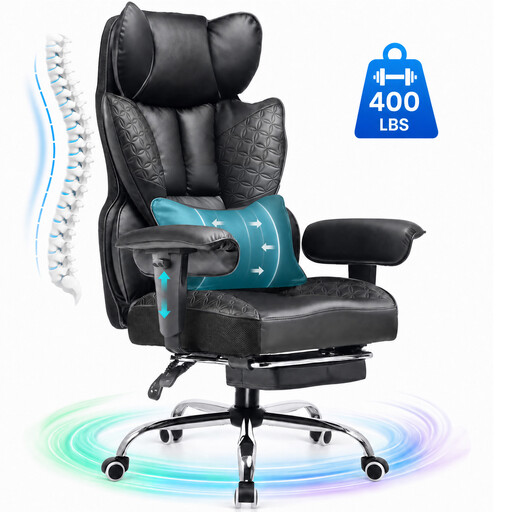
Why It Stands Out: While designed with gamers in mind, the GTPLAYER chair offers ergonomic features that are equally beneficial for office work. Its racing-style high back computer chair design provides full-body support, from the lumbar region to the head and neck. The standout feature is its deep recline function, paired with a retractable footrest, making it a true reclining office chair with footrest perfect for taking a quick break or relaxing.
Pros:
Who is it for? Ideal for gamers, streamers and office workers who prefer an immersive, supportive chair and value the ability to recline fully with leg support.
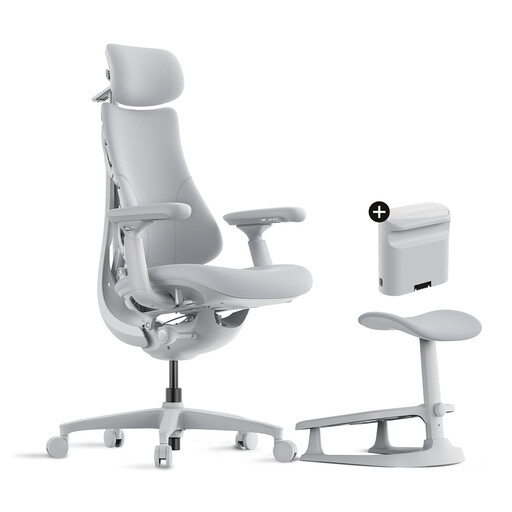
Why It Stands Out: The LiberNovo Omni focuses on advanced support mechanisms. Its adaptive lumbar support system automatically adjusts to your posture, providing consistent support as you move. The chair also boasts an impressive 160° tilt angle with an integrated spine stretch function, designed to decompress the spine during deep reclines. Combined with its own footrest, this chair is built for both focused work and serious relaxation.
Pros:
Who is it for? This chair is suited for users who prioritise dynamic lumbar support and advanced reclining features to help alleviate back tension throughout the day.
The right chair is a personal choice, and our top recommendations represent just a fraction of the available styles. If you're still exploring your options or have different requirements, we invite you to browse our full collection of laptop chairs to find the perfect match for your workspace.
1. What is the most important feature of an ergonomic chair? While all adjustments are important for a personalised fit, adjustable lumbar support is arguably the most critical feature. Proper support for the lower back is essential for maintaining a healthy spinal posture and preventing the onset of back pain, which is one of the most common issues stemming from prolonged sitting.
2. Is a mesh or padded office chair better? This depends on your personal preference and environment. A breathable mesh chair offers excellent ventilation, making it ideal for warmer climates or for people who tend to feel hot while sitting for long periods. Padded chairs (in fabric or PU leather) can offer a plusher feel and a more traditional executive look, but may retain more heat.
3. How long should a good ergonomic office chair last? The lifespan of an office chair depends on its build quality, materials and frequency of use. A well-made chair with a sturdy frame and high-quality components, often indicated by a BIFMA certification, can reasonably be expected to last between 5 and 10 years. Regular checks to tighten any loose parts can help extend its life.