
24/7 Customer Support

Free returns

Same-day & Next-day Delivery

Quality Guaranteed

Unlock Your Welcome Offers: FREE Delivery | Up to 80% OFF | Free 30-day JoyPlus trial
Download the APP
Spending hours at a desk is a daily reality for many of us across the UK, whether we're working from a home office, in a corporate building or studying for exams. The consequence of a poorly designed chair is often all too familiar: a nagging lower backache, stiff neck and a general feeling of discomfort that can disrupt focus and productivity.
An ergonomic office chair isn't a luxury; it's a fundamental tool for maintaining good posture and well-being during long periods of sitting. This guide is designed to help you navigate the options and understand the key features that truly matter, so you can find a chair that works for you.
Choosing the right chair can feel overwhelming with so many features and terms. Here are a few practical points to consider that will help you make a well-informed decision.
A truly ergonomic chair adapts to your body, not the other way around. Look for multiple adjustment points to achieve a personalised fit. Key features include:
The lumbar region, or your lower back, has a natural inward curve. A computer chair with lumbar support is designed to fill the gap between your lower back and the chair, promoting a healthy posture and reducing strain. Some chairs offer fixed support, while more advanced models feature adjustable lumbar support that can be moved up, down, in or out to perfectly match the curve of your spine.
The material of your chair affects both comfort and longevity. A mesh office chair is a popular choice because it allows for excellent air circulation, keeping you cool and comfortable during long work sessions. Padded fabric or leather chairs can offer a plusher feel, but it's important to ensure the cushioning is made from high-density foam that won't flatten over time.
Based on features that prioritise support and adjustability, here are some standout options to consider for your workspace.
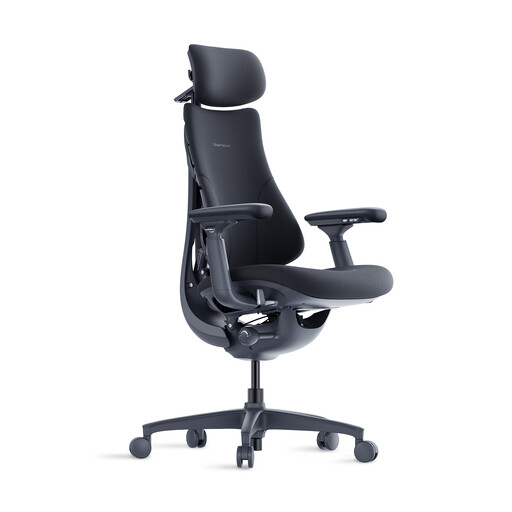
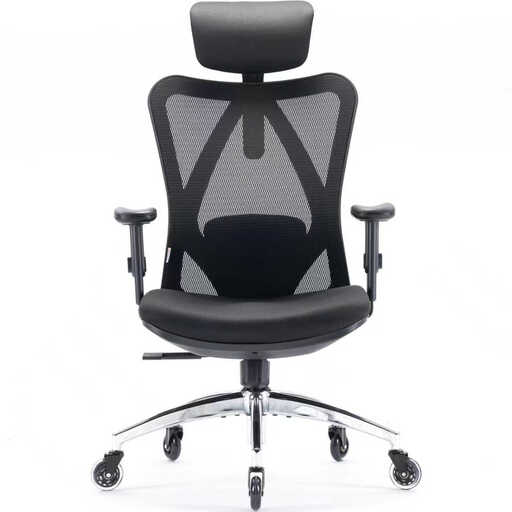
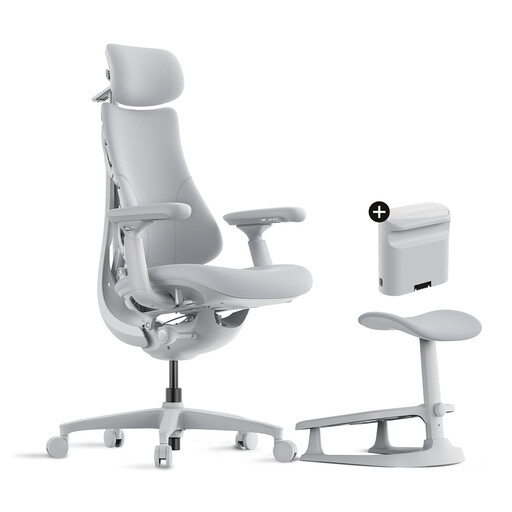
Everyone's needs and spaces are different. If you're searching for a chair for a smaller room, a dedicated study area or simply want to see more styles, we have a broader collection available.
For a wider selection, including models well-suited for study spaces, explore our full range of Student Study Chairs.
1. How long should an ergonomic office chair last? The lifespan of an ergonomic chair depends on its build quality, materials and frequency of use. A well-made chair can typically last between 7 to 10 years. Regular maintenance, such as tightening screws and cleaning upholstery, can help extend its life.
2. Is a mesh office chair better than a fabric one? This comes down to personal preference and environment. Mesh chairs offer superior breathability, which is a significant advantage in warmer settings or for people who tend to feel hot. Fabric chairs often provide a softer, more cushioned feel. Both can be excellent choices, provided they have a supportive structure underneath.
3. What is the most important feature in an ergonomic chair? While it's tempting to single out one feature, the true value of an ergonomic chair lies in its overall adjustability. A chair with adjustable seat height, depth, armrests and effective lumbar support allows you to create a seating posture that is tailored specifically to your body. This combination is more important than any single feature on its own.